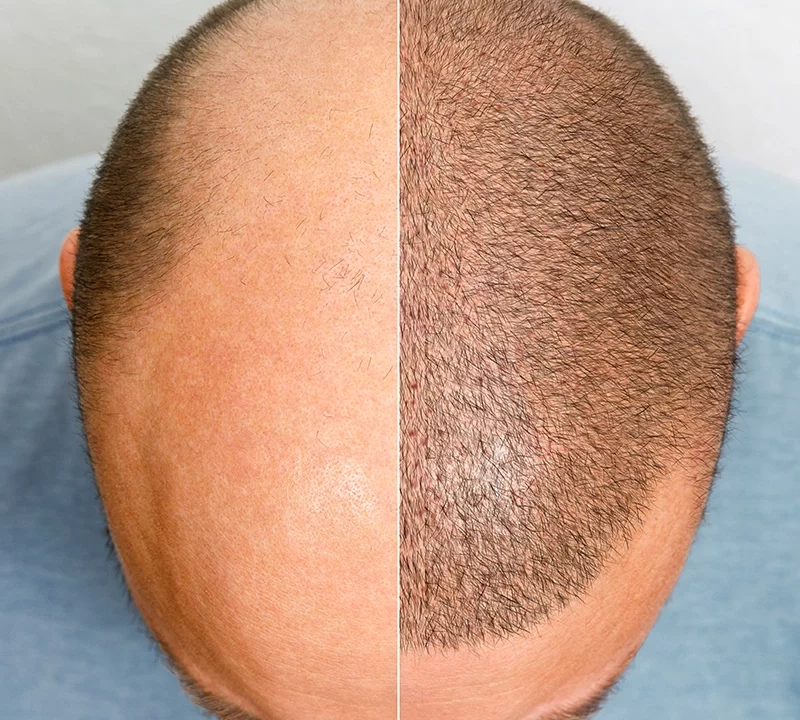


Keraboost Hair Therapy: How It Helps Hair Regrowth and Reduces Hair Fall

Keraboost Hair Therapy: How It Works, Benefits, and When You Actually Need It.

Losing more hair every time you brush, wash, or tie your hair? The problem may start at the scalp, not the strands. Keraboost for Hair Growth focuses on improving scalp health to support stronger, healthier hair regrowth.


Key takeaways

  • Keraboost helps stop hair fall by improving scalp health and strengthening hair follicles.
  • Healthy scalp conditions are essential for stronger, healthier hair regrowth.
  • The treatment combines scalp cleansing, nutrient infusion, and LLLT – Low Light Laser Therapy in one protocol.
  • Keraboost works best for early hair thinning and temporary hair fall.
  • It may help with stress-related hair loss, dandruff, oily scalp, and postpartum shedding.
  • Most people notice reduced hair fall and improved hair texture after multiple sessions.
  • Keraboost is a non-surgical treatment with minimal downtime.
  • The treatment prepares the scalp to improve the effectiveness of PRP and LLLT.
  • Keraboost is not ideal for advanced baldness or permanently inactive follicles.
  • AAYNA Clinic customizes Keraboost treatments based on individual scalp and hair concerns.

What is Keraboost Hair Therapy? 

Keraboost is a non-surgical hair growth treatment and advanced scalp therapy that helps people who are losing hair or have thinning hair. It does this by improving the health of the scalp and encouraging hair regrowth. Keraboost is different from oral supplements and topical hair loss treatment because it focuses on making the scalp a better place for hair to grow.  It works on cells by improving follicular function and supporting the natural hair growth cycle. This makes it a good choice for people who want a non-invasive way to treat hair loss. To understand how Keraboost supports hair growth, it is important to first understand the role scalp health plays in the hair growth cycle.


How Does Scalp Health Affect Hair Growth?

  • Hair starts forming under the scalp, so if the scalp is unhealthy, the new hair that grows can be weaker and thinner.
  • Dirt, oil, and dandruff on the scalp can affect how well hair grows from the roots.
  • An unbalanced scalp (too oily or too dry) can make hair roots weaker over time.
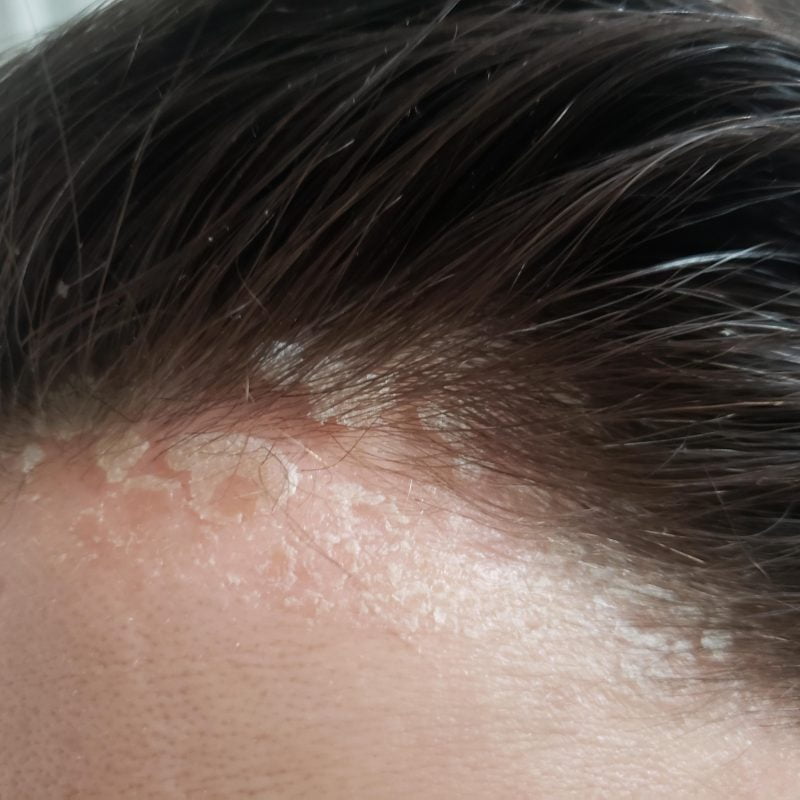
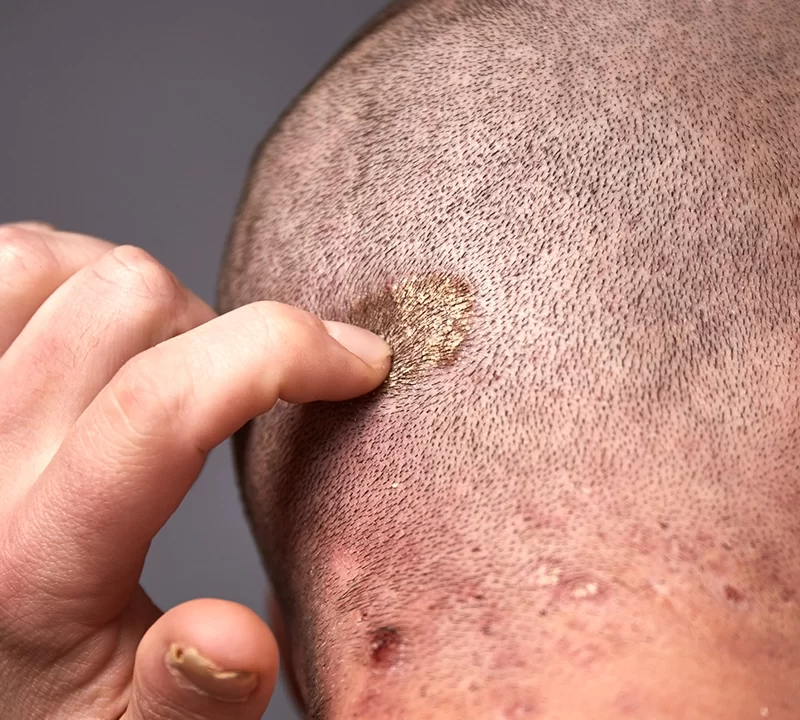
  • Irritation or dandruff on the scalp can lead to more hair fall and slower regrowth.
  • A healthy scalp creates the right base for stronger, thicker, and healthier hair regrowth.

At AAYNA Clinic, Keraboost is specifically designed as a targeted treatment to support hair growth by improving the condition of the scalp and strengthening hair roots.


How is Keraboost Treatment for Hair Regrowth Done? 

Keraboost is an exclusive, expert-designed hair treatment at AAYNA Clinic. It targets hair fall and thinning with a step-by-step approach. This hair regrowth treatment involves 3 main steps: Step 1: Deep scalp cleansing using AHA-BHA-based products to remove oil, dirt, dandruff, and buildup that may block the hair follicles that would affect healthy hair growth.  Step 2: This step involves the infusion of a nutrient solution called “HR3 Matrix.” A micronutrient technology is used to nourish hair roots and improve blood circulation.  Step 3: The last step involves using low-level laser therapy (LLLT) to stimulate hair follicles and support better hair growth.  Keraboost for hair growth uses active ingredients like the following:

  • Peptides for strengthening hair follicles and improving hair density.
  • Niacinamide for enhancing scalp circulation and reducing inflammation.
  • Botanical extracts for soothing the scalp and supporting overall hair growth.

At AAYNA Clinic, Keraboost treatment plans are customized according to individual scalp condition, hair concerns, and stage of hair loss.


How Does Keraboost Help With Hair Regrowth ? 

At AAYNA Clinic, the Keraboost procedure follows a step-by-step approach to support healthier hair growth. Each stage of the treatment is designed to prepare the scalp and improve the condition of the hair follicles.


Keraboost Treatment Frequency and When to Expect Results

Keraboost treatment is typically performed every 7–14 days, depending on the individual’s scalp condition. Visible improvements such as reduced hair fall and better hair texture are usually seen after 6–8 sessions.


Who is the Ideal Candidate for Keraboost Hair Therapy? 

The ideal candidate for hair regrowth is someone who is experiencing hair fall or premature greying due to nutritional deficiencies.  Let’s understand the parameters in detail below:

  1. Early Hair Thinning: Keraboost may support early-stage male pattern baldness and can also be used as a female hair loss treatment by improving scalp condition and strengthening weakened hair follicles.
  2. Hair Fall Due to Nutritional Deficiency: People experiencing hair fall linked to vitamin deficiencies can benefit from Keraboost, as it helps nourish the scalp and support healthier hair growth.
  3. Premature Greying (Linked to Weak Hair Health): Individuals with early greying associated with poor scalp and hair health may benefit from improved follicle nourishment and scalp condition.
  4. Weak Hair Follicles: Those with fragile, weak hair roots that lead to breakage and shedding can benefit from treatments that strengthen the follicle environment.
  5. Oily Scalp, Dandruff, or Buildup: Keraboost is suitable for people with excess oil, dandruff, or clogged hair follicles, as scalp cleansing is a key step in the treatment.
  6. Stress-Related Hair Fall: Individuals experiencing temporary hair shedding due to stress or lifestyle factors may see improvement when scalp health is restored.
  7. Pre-Treatment for Advanced Hair Therapies: Keraboost is often recommended as a preparatory treatment before PRP or LLLT, as it creates a healthier scalp environment for better results.


Who Is Not the Ideal Candidate for Keraboost Therapy? 

  • Keraboost hair loss treatment may not be beneficial for people with advanced baldness or long-standing hair loss.
  • Cases where hair follicles are not active or are permanently damaged
  • Patients expecting instant results

Keraboost hair therapy at AAYNA works best as a supportive and early intervention treatment, not as a standalone solution for severe hair loss. At AAYNA Clinic, we provide personalized hair growth treatments tailored to your scalp condition and hair concerns.

What Are the Benefits of Keraboost Hair Therapy? 

Keraboost hair therapy offers multiple benefits for individuals looking for a non-surgical solution for hair growth for women & men, especially in the early stages of hair loss.

  1. Creates a Better Environment for Hair Growth: By clearing buildup and conditioning the scalp, Keraboost helps create the right base where new hair can grow more effectively.
  2. Supports Stronger and Healthier Hair: With regular sessions, hair may feel less brittle and more manageable, especially in individuals with weak roots.
  3. Helps Improve Hair Texture and Quality: Patients often notice softer, smoother, and healthier-looking hair.
  4. Enhances the Effectiveness of Other Treatments: Keraboost prepares the scalp, which can improve results when combined with treatments like PRP or LLLT.
  5. Non-Invasive with Minimal Downtime: It is a comfortable, clinic-based procedure that does not require recovery time, making it easy to include in a routine.
  6. Suitable for Early Hair Loss Management: Keraboost is especially useful for individuals looking to manage hair fall early before it progresses further.

While Keraboost therapy supports healthier hair growth, many people compare it with other treatments to understand how it fits into a complete hair restoration plan.


Keraboost vs PRP vs LLLT: Which Hair Growth Treatment is Better?

Treatment How It Works Main Benefit Best For Key Difference
Keraboost Cleanses the scalp and delivers nutrients to hair roots Improves scalp condition and supports stronger hair Early hair fall, thinning hair, scalp issues Prepares the scalp for better hair growth
PRP (Platelet-Rich Plasma) Uses growth factors from your own blood to stimulate follicles Promotes active hair regrowth Moderate hair thinning Directly stimulates hair follicles
LLLT (Low-Level Laser Therapy) Uses light energy to activate hair follicles Supports hair regrowth and improves hair density Ongoing hair loss, maintenance Activates follicles using light energy
Minoxidil Topical solution that prolongs hair growth phase Helps reduce hair fall and supports regrowth Early to moderate hair loss Daily at-home treatment

Which One Should You Choose?

  • Early hair fall or scalp concerns: Keraboost
  • Moderate hair thinning: Keraboost + PRP or LLLT
  • Advanced hair loss: Combination treatments or hair transplant

In most cases, a combination approach works best, where Keraboost prepares the scalp and treatments like PRP or LLLT help stimulate hair growth. Now that you have a basic overview about the Keraboot hair therapy, let us understand the side effects of this therapy.

What Are the Side Effects of Keraboost Hair Therapy?

Keraboost hair therapy is generally considered a safe and non-surgical treatment for hair fall and scalp health. However, like any scalp treatment, some individuals may experience mild and temporary side effects after the procedure.

Common Side Effects of Keraboost Hair Therapy

  1. Mild Scalp Redness: Some people may notice slight redness on the scalp immediately after treatment due to increased scalp stimulation and improved blood circulation. This usually settles within a few hours.
  2. Temporary Scalp Sensitivity: The scalp may feel mildly sensitive or tender after the session, especially in individuals with sensitive skin or scalp inflammation.
  3. Mild Itching or Dryness: Deep scalp cleansing and active ingredients may occasionally cause temporary dryness, flaking, or itching scalp in some individuals.
  4. Slight Tingling Sensation: Low-level laser therapy (LLLT) and scalp stimulation can sometimes create a mild tingling or warming sensation during or after the procedure.

Mild side effects are usually temporary, but proper scalp assessment and professional supervision are important for maximizing treatment benefits and minimizing discomfort.

Why Choose AAYNA Clinic for Keraboost Hair Treatment?

At AAYNA Clinic, Keraboost hair therapy is performed using a personalized and step-by-step approach designed to support healthier hair growth and improve scalp condition. Here’s what makes the treatment approach different:

  • Personalized Hair Assessment: Every treatment plan is customized based on scalp condition, hair concerns, and stage of hair loss.
  • Combination-Based Approach: Keraboost combines scalp cleansing, nutrient infusion, and light-based follicle stimulation in a single protocol.
  • Focus on Early Hair Loss Management: The treatment is designed to address hair thinning and hair fall before the condition progresses further.
  • Advanced Scalp Care: The protocol focuses on improving scalp condition, which plays an important role in healthy hair growth.
  • Non-Surgical and Minimal Downtime: Keraboost is a comfortable, non-invasive treatment that fits easily into regular routines.
  • Doctor-Designed Protocol: Each step is performed under expert supervision using clinically selected ingredients and technology.

If you are experiencing early hair thinning, persistent hair fall, or scalp-related concerns, a clinical hair assessment can help determine whether Keraboost may be a suitable option for you.


Conclusion

Hair growth begins with a healthy scalp, and treatments that focus only on the hair strands often fail to address the root cause of hair fall and thinning. Keraboost hair therapy takes a more comprehensive approach by improving scalp condition, nourishing hair roots, and supporting healthier follicle function. Unlike temporary solutions, Keraboost works as a supportive hair restoration treatment that helps create the right environment for stronger and healthier hair growth. Its combination of deep scalp cleansing, nutrient infusion, and light-based follicle stimulation makes it especially beneficial for individuals dealing with early hair thinning, weak hair roots, scalp buildup, or stress-related hair fall. At AAYNA Clinic, the treatment is further personalized according to individual scalp and hair concerns, helping patients receive a tailored approach instead of a one-size-fits-all solution. For individuals looking for a non-surgical option to manage early hair loss and improve overall scalp health, Keraboost can be an effective part of a long-term hair growth plan.


Frequently Asked Questions

Q. Can Keraboost reverse hair thinning?

Keraboost may help improve early-stage hair thinning by improving scalp condition, strengthening hair roots, and supporting healthier hair growth. It works best in individuals with mild to moderate thinning where the hair follicles are still active. However, results can vary depending on the cause and severity of hair loss. Advanced baldness or permanently damaged follicles may require additional treatments such as PRP, LLLT, or hair transplant procedures.

Q. Can Keraboost reverse premature hair greying?

Keraboost is primarily designed to support hair growth and scalp health, not to reverse grey hair permanently. In some cases, individuals experiencing premature greying linked to poor scalp condition or nutritional deficiencies may notice improvement in overall hair quality. However, Keraboost is not considered a definitive treatment for reversing grey hair.

Q. What are the side effects of Keraboost treatment?

Keraboost is generally considered a safe and non-surgical hair treatment with minimal downtime. Some individuals may experience:

  • Mild scalp redness
  • Temporary sensitivity
  • Slight itching or dryness after treatment

These effects are usually temporary and resolve within a short time.

Q. Is Keraboost treatment painful?

Keraboost is generally a comfortable procedure. Some individuals may experience mild sensitivity during the treatment, but it is usually well tolerated.

Q. Is Keraboost better than PRP for hair loss?

Keraboost and PRP work differently. Keraboost focuses on improving scalp condition and nourishing hair roots, while PRP directly stimulates hair follicles using growth factors from the patient’s blood. In many cases, both treatments are combined for better results.

Q. Is Keraboost Good for Postpartum Hair Loss?

Keraboost may help as a postpartum hair loss treatment by improving scalp condition, nourishing hair roots, and supporting healthier hair regrowth after delivery. It is most effective in cases where hair follicles are still active and hair shedding is temporary. At AAYNA Clinic, postpartum hair loss treatments are personalized based on scalp condition and the severity of hair fall.

4 Non-Surgical Hair Replacement in Delhi: Which Treatment Actually Works?

How to Choose the Right Non-Surgical Hair Replacement Treatment

Do you continue to lose hair even after using oils, shampoos, or supplements? Non-surgical hair replacement in Delhi may offer a more targeted approach to manage hair thinning and loss. In this blog, we compare the most common hair restoration treatments, including PRP, GFC, mesotherapy, and low-level laser therapy.

Why Does Hair Loss Occur?

Hair loss cause has many reason. It occurs in most individuals as a result of genetics, hormonal, nutritional, and lifestyle-related factors. The most common causes include:

  • Genetic predisposition
  • Hormonal changes like PCOD, postpartum, thyroid imbalance
  • Nutritional deficiencies, especially iron, B12, vitamin D
  • Environmental aspects such as pollution, hard water, and excessive heat exposure.

Androgenic alopecia, or pattern hair loss, is one of the most prevalent conditions that lead to hair thinning.  It is a hereditary condition causing the shrinkage of the hair follicles, which causes loss of hair affecting 50% of men and women, and it becomes more noticeable with age (1).  In order to control this progressive loss of hair, there are a number of non-surgical hair replacement options in Delhi.

What is Non-Surgical Hair Restoration?

Non-surgical hair restoration for women and men is a treatment that can support the existing hair follicles, reduce hair fall, and enhance hair density without surgery.  Suggested options such as PRP, GFC, mesotherapy, and low-level laser are supposed to enhance hair density and retard thinning, especially at an early stage of hair loss. Read below for a detailed explanation of the most popular hair replacement non-surgical treatments in Delhi.

What are the Types of Non-Surgical Hair Loss Treatments?

PRP, GFC, mesotherapy, and low-level laser therapy are some of the non-surgical methods of addressing the hair loss problem. Let’s understand these below.

PRP (Platelet-Rich Plasma) for Hair Loss in Delhi

PRP therapy starts with a small amount of the patient’s blood.  This blood is centrifuged to derive platelet-rich plasma, and it is injected into the parts of the scalp where hair thinning has occurred.  These contain growth factors that may help support weakened hair follicles, improve the local scalp environment, and promote healthier hair growth. Studies propose steady improvements in hair density, thickness, and scalp health in androgenic alopecia patients has been proposed.  Source: jdcronline(2)

Pros and Cons of PRP Treatment for Hair Restoration in Delhi

Here are the main benefits and limitations of PRP therapy for hair loss treatment.

Pros of PRP
  • PRP is a non-surgical treatment for hair thinning.
  • It can improve hair thickness and density.
  • PRP is effective in early stages.
  • Since it uses your own blood, allergy risk is minimal.
  • It is generally safe and well tolerated.
Cons of PRP
  • PRP therapy does not create new hair follicles.
  • It works best when existing follicles are still active.
  • The results are not permanent.
  • Over time maintenance sessions might be required.
  • The response varies depending on the cause and stage of hair loss.

Source: pmc(3)

Who is An Ideal Candidate for Non-Surgical Hair Restoration in Delhi?

Ideal candidates for PRP are men and women who are experiencing early hair thinning or androgenetic alopecia.  This is possible because their hair follicles are still active and likely to respond to the treatment. It may not be effective for people with bald patches that have been there for a long time.

PRP Treatment Timeline and Results

Generally, PRP is done in multiple sittings, not just once.  Some people may start seeing improvements within 2 to 3 months. However, the best results may take 4 to 6 months to show up. You may need to come for follow-up treatments to keep the results going. Source: pmc(4) PRP is one of the researched options for hair restoration. However, other options may be more suitable depending on your condition.

Growth Factor Concentrate (GFC) for Hair Loss

GFC is another relatively new non-surgical hair loss or thinning treatment that is also derived from the patient’s blood. It is sometimes likened to PRP, but it is prepared using a different technique that utilizes more growth factors. These growth factors play a significant role in promoting cell repair and improving scalp health as well as hair follicle activity. It is sometimes regarded as a PRP alternative. Studies on GFC have already shown improvements in hair density and hair thickness, but long-term clinical studies are still in their early stages. Source: jdcronline(5)

Pros and Cons of GFC for Hair Loss

Pros of GFC
  • Improves hair density
  • Can be an alternative to PRP
  • GFC also improves hair thickness & scalp health
  • GFC may provide a broader growth factors range than PRP
Cons of GFC
  • Mild temporary side effects seen.
  • GFC has limited evidence as compared to PRP
  • It may be more expensive than PRP in some clinics

Who is An Ideal Candidate for Growth Factor Concentrate?

  • The GFC procedure is applicable to both men and women with early or moderate hair thinning but with active hair follicles.
  • The procedure is also applicable to patients who are seeking a different hair loss treatment option or did not achieve satisfactory results with previous hair loss treatments.

GFC Treatment Timeline and Results

The GFC procedure is normally carried out through a series of sessions that are held weeks apart. Some patients may experience less hair loss as part of the GFC treatment. Results in terms of hair density and hair quality may take a few months to be visible. The period taken may vary depending on the extent of hair loss.

Mesotherapy for Hair Restoration in Delhi

Mesotherapy treatment involves injecting a customized mix of medications, vitamins, and other active ingredients into the middle layer of the scalp. The aim of this procedure is to improve scalp health, support weakened follicles, and promote hair growth.

Pros and Cons of Mesotherapy for Hair Loss

Pros of Mesotherapy
  • It is a non-surgical treatment option for hair loss.
  • It delivers active ingredients closer to the hair follicle area.
  • Some studies report positive outcomes and good patient satisfaction.
Cons of Mesotherapy
  • It may produce some temporary side effects, including pain, redness, itching, swelling, headache, or folliculitis at the treatment site.
  • The formulations and techniques may vary between clinics.
  • Evidence is less standardized than for some other hair loss treatments.

Once you have an idea of the cost, take a look at whether you’re an ideal candidate for the treatment.

Who is An Ideal Candidate for Mesotherapy?

Men & women with early-stage hair thinning or androgenic alopecia, with active hair follicles, looking for a non-surgical solution are the ideal candidates for mesotherapy.

Mesotherapy Timeline and Results

Mesotherapy usually requires multiple sessions, with results assessed gradually over the course of treatment. Some people may notice early improvement during treatment, but the exact timeline can vary from person to person depending on the protocol used and the underlying cause.  Source: pubmed(6)

Keraboost Hair Therapy: AAYNA’s Advanced Mesotherapy Protocol

Keraboost is an exclusive, doctor-designed hair treatment at AAYNA Clinic that targets hair fall, thinning, and early hair loss through a step-by-step approach. It follows 3 steps:

Step 1: Scalp Cleansing (Extraction): Deep scalp cleansing is done using AHA-BHA-based products to remove oil, dirt, dandruff, and buildup that may block hair follicles.

Step 2: Nutrient Infusion: A specialized solution (HR3 Matrix) using microcurrent technology to nourish hair roots and improve blood circulation.

Step 3: LED Therapy: This is used to stimulate hair follicles and support better hair growth. The treatment uses active ingredients like peptides, niacinamide, and botanical extracts to help reduce hair fall and strengthen weak roots.

Keraboost Treatment Frequency and Timeline to Results

Keraboost is typically done every 7-14 days, with visible improvements seen in 6–8 sessions.

What Is Laser Therapy (LLLT) for Hair Loss?

Low-level laser therapy (LLLT) is a non-surgical treatment for hair loss that uses low-intensity red and near-infrared laser light to stimulate hair follicles. LLLT is usually applied in people with androgenic alopecia and is thought to enhance cellular activities in the scalp and support the hair growth cycle.  It is believed to improve cellular activity in hair follicles and support the hair growth cycle.

How is it Done? 

LLLT is usually done using a laser comb, cap, and helmet. These are used on the scalp at regular intervals over a period of weeks and months. Unlike other treatments such as PRP, GFC, and mesotherapy, laser therapy is non-invasive and doesn’t require injections and blood collection. Improvements may be observed in a few months.

Who is an Ideal Candidate for LLLT?

LLLT is generally considered most suitable for men and women with patterned hair loss who still have active hair follicles and want a non-invasive treatment option. It may also be used by people who want to combine it with other standard hair loss treatments such as minoxidil or finasteride.

Pros & Cons for Low-Level Laser Therapy

Here are the main benefits and limitations of LLLT for hair loss offered at AAYNA Clinic:

Pros of Low-level Laser Therapy
  • It is non-surgical and non-invasive
  • Studies suggest that it may improve hair growth and hair density
  • It may work well as an add-on treatment with other hair regrowth procedures.
Cons of Low-level Laser Therapy
  • Treatment protocols may vary.
  • Requires regular ongoing use to maintain results.
  • Its benefits may be limited in advanced cases where follicles are no longer active.
  • Cost can vary depending on the type of device or treatment plan.

Timeline to See Results with LLLT

LLLT usually requires regular use over several weeks to months, with results developing gradually over time. Visible improvement may take a few months, and continued use may be needed to maintain the benefits.

Rose Exosome Therapy for Hair Loss

Rose exosome therapy is an advanced, non-surgical treatment that works at a microscopic level to improve scalp health and support hair growth. Exosomes are tiny particles from rose stem cells that help repair the scalp and support healthier hair growth.

  • Improves scalp environment by reducing inflammation and strengthening the skin barrier.
  • Supports hair follicle activity
  • Helps improve hair quality and growth cycle gradually
  • Can be combined with microneedling or device-based therapies

At AAYNA Clinic, rose exosome therapy is used as an advanced option for patients who need deeper scalp rejuvination along with hair restoration treatments.

PRP vs. GFC vs. Mesotherapy vs. LLLT: How to Choose the Right Treatment?

  • PRP: This non-surgical treatment is the most studied option, usually a starting point for early hair thinning.
  • GFC: It is similar to PRP but a newer option for hair replacement. It might offer a higher concentration of growth factors, hence improving overall scalp health.
  • Mesotherapy: This treatment falls on the more affordable side; the procedure involves using vitamins and actives that support hair restoration.
  • LLLT: It’s a non-invasive option that uses light-based technology, so there’s no need for any needles or procedures.

Here’s a quick comparison of the treatments offered at AYYNA Clinic to help you understand which option might suit you better and make an informed choice.

Treatment Right for You If Best For Main Advantage Main Limitation
PRP You want a well-known treatment using your own blood Early hair thinning with active follicles More widely studied Needs repeat sessions
GFC You want a newer option similar to PRP Early to moderate thinning Broader growth factor mix Less research available
Mesotherapy You want active ingredients delivered into the scalp Selected cases of early thinning Targets the scalp directly Protocols vary by clinic
LLLT You want a non-invasive option Pattern hair loss with active follicles No injections needed Requires regular use

Considering Non- Surgical Hair Replacement in Delhi?

If you’re noticing hair thinning or excessive hair loss, getting a scalp evaluation can help you rule out the possible cause and begin treatment early.  At AYYNA Clinic, non-surgical hair replacement options like PRP, GFC, mesotherapy, and laser therapy are customized based on your needs after a thorough scalp evaluation. Apart from this, individual needs and expectations are also discussed before deciding on any treatment. Book a consultation with us to understand which treatment is actually suitable for you.

Conclusion

Non-surgical options can help with hair loss and thinning, but they don’t work the same for everyone. PRP, GFC, mesotherapy, and LLLT all act differently, and what works in one case may not work in another; it really depends on the cause and how far the hair loss has progressed. From what’s usually seen in practice, results are better when thinning is picked up early, before the follicles become inactive. If you’re thinking about getting this done in Delhi, it’s worth getting your scalp examined first so you’re not just trying treatments blindly.

Book Your Non-Surgical Hair Consultation at AAYNA

Still unsure which treatment is right for your hair loss?

At AAYNA Clinic, every treatment plan starts with a detailed scalp analysis to understand the root cause of your hair thinning. Based on this, experts recommend the most suitable non-surgical hair restoration option whether it’s PRP, GFC, mesotherapy, or laser therapy.

Don’t wait until hair loss progresses further. Early treatment gives better results.

Book your consultation for non-surgical hair replacement in Delhi and take the first step toward healthier, stronger hair.

FAQs: Non-Surgical Hair Restoration in Delhi

1) Is non-surgical hair restoration worth it?

Yes, non-surgical hair restoration can be worth it for people with early to moderate hair thinning, especially when the hair follicles are still active. These treatments do not create new follicles, but they may help reduce hair fall, improve hair density, and support hair growth over time.

2) Which treatment is better, GFC or PRP?

PRP is usually preferred when you want a more established treatment with broader evidence. GFC may be considered when you want a newer regenerative option that may offer a broader growth factor profile, but it is not as extensively studied as PRP. The right choice should depend on what your doctors suggest after a thorough scalp evaluation.

3) Is minoxidil better than GFC?

Minoxidil is usually considered the more established treatment because it is better studied and widely used for pattern hair loss. GFC is a newer regenerative option that may be used in selected cases. In some cases, doctors may use GFC as an add-on rather than a replacement for minoxidil. The choice depends on the doctor’s treatment plan.

4) Can these treatments completely stop hair loss? 

No, the results are not permanent. Maintenance sessions are required and recommended to sustain the results. They help reduce hair fall and improve hair density.

5) Is the PRP treatment painful? 

The PRP procedure is not usually painful; you might feel a little pinch where the blood is drawn and again during the procedure while injecting the PRP into the affected area. The area is numbed using a numbing cream to minimize discomfort.

6) How many sessions are needed for hair restoration treatments? 

The number of sessions depends on the individual case. Most of these non-surgical treatments at AAYNA Clinic require multiple sessions between 3 and 6 for good results. Followed by maintenance depending on the response.

7) What are the side effects of non-surgical hair replacement treatment? 

Most treatments have minimal to no side effects. You may experience mild redness or discomfort for a short period of time.

8) What to avoid after PRP treatment for hair loss? 

After PRP treatment for hair loss, avoid washing your hair for 24-48 hours; heavy exercises leading to excessive sweating are not recommended. Apart from this, avoid sun exposure, smoking, alcohol, and hair coloring/styling products for 7-10 days. Take medications only under the doctor’s supervision.

Hair Botox Explained: What It Is, How It Works & Who Should Get It

If you’re someone who loves the smooth, refreshed look that Botox gives the skin, you might be intrigued by a treatment called Hair Botox. Despite its name, hair Botox has nothing to do with injections or needles. Instead, it’s a deep-conditioning, restorative treatment designed to revive damaged, dull, and frizzy hair—making it look healthier, softer, and more youthful.

Just like skin treatments focus on repairing and rejuvenating, hair Botox works on the same principle—but for your hair strands.


What Exactly Is Hair Botox?

Hair Botox is a non-chemical, non-invasive hair treatment that deeply nourishes and repairs the hair from within. It uses a blend of conditioning agents such as proteins, amino acids, vitamins, and hydrating ingredients to fill in damaged areas of the hair cuticle.

The result? Hair that looks smoother, shinier, and more manageable.

The term “Botox” is used because the treatment helps restore and ‘plump’ the hair, much like Botox smooths fine lines on the skin. However, there is no botulinum toxin involved.


How Is Hair Botox Done?

Hair Botox is typically performed at a professional salon or hair clinic. The process usually takes about 60–90 minutes, depending on hair length and condition.

Here’s what you can expect:

  • Hair is first cleansed with a clarifying shampoo
  • The Hair Botox treatment is applied section by section
  • It is left on for a short processing time
  • In some cases, gentle heat is used to help the product penetrate
  • Hair is then rinsed, blow-dried, and styled

The treatment is comfortable and suitable for most hair types.


Key Benefits of Hair Botox

  • Deep Hydration
    Hair Botox is excellent for dry, brittle, or chemically treated hair. Hydrating ingredients help restore moisture, improve elasticity, and reduce breakage, making hair feel softer and healthier.
  • Frizz Control
    One of the biggest reasons people opt for hair Botox is frizz reduction. By smoothing the hair cuticle, the treatment helps control flyaways and keeps hair manageable—even in humid weather.
  • Improved Shine & Smoothness
    Hair Botox fills in rough and damaged areas of the hair shaft, allowing light to reflect better. This gives hair a noticeable shine and a smoother, polished finish.
  • Repair & Strengthening
    Daily heat styling, colouring, and environmental exposure can weaken hair over time. Hair Botox helps strengthen strands by replenishing lost proteins and nutrients, improving overall hair texture.
  • Protection from External Damage
    Many formulations include antioxidants and conditioning agents that help protect hair from pollution, sun exposure, and heat styling.

Who Should Consider Hair Botox?

Hair Botox is suitable for almost anyone, but it’s especially beneficial if you:

  • Have dry, damaged, or over-processed hair
  • Regularly use heat tools like straighteners or curlers
  • Struggle with frizz or dull-looking hair
  • Want smoother, healthier hair without harsh chemicals

It works well for straight, wavy, and curly hair, and is safe for coloured hair too.


Hair Botox vs Other Hair Treatments

  • Deep Conditioning Masks
    At-home hair masks can improve softness temporarily, but their effects don’t last long. Hair Botox offers deeper repair and longer-lasting results when done professionally.
  • Keratin Treatments
    Keratin treatments are known for straightening and smoothing hair, but they may contain strong chemicals. Hair Botox focuses more on repair and hydration, without permanently altering hair structure.

How Long Do the Results Last?

With proper aftercare, the results of hair Botox can last 3–4 weeks, sometimes longer. Using sulphate-free shampoos and limiting heat styling can help maintain the effects.


Final Takeaway

Hair Botox is an excellent option for anyone looking to revive tired, damaged hair and restore its natural shine and softness. While it won’t completely undo years of chemical or heat damage overnight, it significantly improves hair quality and manageability.

If your hair feels dry, frizzy, or lifeless, Hair Botox could be the boost it needs to look healthier, smoother, and more youthful—without aggressive treatments or downtime.


FAQs: Hair Botox

1. Is Hair Botox safe for all hair types?

Yes, Hair Botox is generally safe for all hair types, including straight, wavy, curly, and colour-treated hair. Since it does not contain harsh chemicals or formaldehyde, it is suitable for people looking for a gentle yet effective hair-repair treatment.

2. How long does Hair Botox treatment last?

The results of Hair Botox typically last between 3 to 4 weeks, depending on hair type, lifestyle, and aftercare. Using sulphate-free shampoos and limiting heat styling can help extend the results.

3. Does Hair Botox straighten hair?

No, Hair Botox does not permanently straighten hair. It smooths the hair cuticle, reduces frizz, and improves manageability, making hair appear straighter and sleeker without altering its natural texture.

4. Is Hair Botox better than keratin treatment?

Hair Botox and keratin treatments serve different purposes. Hair Botox focuses on repair, hydration, and hair health, while keratin treatments are primarily used for straightening and frizz control. Hair Botox is often preferred by those who want smoother hair without harsh chemicals.

5. Can Hair Botox be done on coloured or chemically treated hair?

Yes, Hair Botox is safe for coloured, bleached, and chemically treated hair. In fact, it helps repair damage caused by colouring and styling, restoring moisture, shine, and strength to the hair.


Pollution & High AQI: How It’s Silently Damaging Your Skin and Hair

India’s rising pollution levels and consistently high AQI have become more than just a respiratory concern. Dermatologists now confirm that polluted air directly accelerates skin ageing, hair fall, scalp inflammation, pigmentation, acne, and sensitivity. If your skin looks dull or your hair feels weaker despite a good routine, pollution could be the hidden culprit.

What Is AQI and Why Does It Matter for Skin & Hair?

AQI (Air Quality Index) measures pollutants like PM2.5, PM10, nitrogen dioxide, and ozone. These microscopic particles penetrate deep into the skin barrier and scalp, triggering oxidative stress—a process that breaks down collagen, elastin, and healthy hair follicles.

Urban residents are especially vulnerable due to prolonged daily exposure.


Effects of High AQI on Skin

1. Premature Ageing & Dullness: Pollution generates free radicals that damage collagen, leading to fine lines, sagging, and uneven texture. Skin loses its natural glow faster in polluted environments.

2. Acne, Sensitivity & Inflammation: Pollutants clog pores and weaken the skin barrier, worsening acne, rosacea, eczema, and redness, especially in sensitive skin types.

3. Pigmentation & Dark Spots: Repeated exposure increases melanin production, resulting in tanning, dark spots, and stubborn pigmentation, common complaints during high-smog months.


Effects of Pollution on Hair & Scalp

1. Increased Hair Fall: Pollutants settle on the scalp, blocking follicles and disrupting growth cycles, leading to excessive hair shedding and thinning.

2. Weak, Brittle Hair: Oxidative stress damages the hair cuticle, making strands dry, frizzy, and prone to breakage.

3. Scalp Issues: High AQI worsens itchy scalp, dandruff, and inflammation, often mistaken for product reactions.


How to Protect Skin & Hair from Pollution

While home care helps, topical products alone cannot reverse pollution damage. A combined approach of professional treatments and daily protection is essential.

Daily Protection Tips:

  • Cleanse skin & scalp thoroughly at the end of the day
  • Use antioxidant-rich skincare
  • Never skip sunscreen—even in winter
  • Cover hair outdoors when AQI is high
  • Avoid over-washing, which weakens the barrier

Best Anti-Pollution Treatments at AAYNA Clinic

At AAYNA Clinic, treatments are designed to repair pollution damage at a cellular level, not just mask symptoms.

  1. Advanced Skin Treatments
  • HydraFacial MD – Deep-cleanses pollutants, boosts hydration, restores glow
  • Medical-Grade Chemical Peels – Targets pigmentation, acne, and dullness
  • Anti-Ageing & Brightening Therapies – Repairs oxidative skin damage
  • AI Skin Analysis by CLARA – Identifies pollution impact & customises care
  1.  Hair & Scalp Solutions
  • Medical Scalp Detox Treatments – Removes pollution buildup
  • Hair Fall Control & Strengthening Therapies
  • Advanced Hair Spa & Repair Rituals for urban hair stress

All treatments are dermatologist-led, customised, and safe for sensitive skin & scalp.


Why Professional Care Matters in High AQI Conditions

Pollution damage accumulates deep within the skin and scalp over time. Clinical treatments help:

  • Neutralise free radicals
  • Repair barrier damage
  • Stimulate healthy hair growth
  • Prevent long-term ageing effects

Early intervention ensures healthier skin and stronger hair year-round.

Conclusion

High pollution and poor air quality are silently accelerating skin ageing and hair damage in urban India. While lifestyle changes help, expert-led treatments offer the most effective protection and repair.
At AAYNA Clinic, science-backed solutions ensure your skin and hair stay resilient—even when the air isn’t.


FAQs: Pollution/ High AQI Effect on Skin and Hair

1. Can pollution really cause hair fall?
Yes. Pollution clogs hair follicles, weakens roots, and disrupts the hair growth cycle, leading to increased shedding.

2. Does high AQI affect acne and pigmentation?
Absolutely. Pollutants trigger inflammation and melanin production, worsening acne, dark spots, and uneven skin tone.

3. Is sunscreen necessary during pollution season?
Yes. Sunscreen protects against UV rays that amplify pollution-induced skin damage.

4. How often should I opt for professional skin treatments in polluted cities?
Once every 4–6 weeks is ideal, depending on skin condition and AQI exposure.

5. Which treatment is best for pollution-damaged skin?
HydraFacial MD and medical peels are highly effective for detoxifying, repairing, and brightening polluted skin.

Winter Hair Fall 2025: Causes, AQI Impact & Expert Solutions

Winter is often associated with festive cheer and cosy layers, but for many, it also brings an unwelcome concern—increased hair fall. Seasonal hair shedding is common, but when combined with dry weather, indoor heating, and rising AQI levels, winter hair fall can become more intense and persistent.

Understanding the root causes is the first step towards prevention and effective treatment.


Is Hair Fall in Winter Normal?

Yes, mild hair fall during winter is normal. Dermatological studies indicate that hair tends to shed more in colder months due to:

  • Reduced blood circulation to the scalp
  • Slower cell regeneration
  • Increased dryness of scalp and hair shaft

However, excessive hair fall, visible thinning, or hair breakage signals an underlying issue that needs professional attention.


Key Causes of Hair Fall in Winter

1. Dry Scalp & Dehydration

Cold air outside and heated air indoors strip moisture from the scalp, leading to dryness, flaking, itchiness, and weakened hair roots.

2. Reduced Sebum Production

Sebum acts as a natural conditioner. In winter, oil production slows down, making hair brittle, rough, and prone to breakage.

3. High AQI & Pollution Exposure

Winter months in Indian cities often coincide with severe air pollution. Fine particulate matter (PM2.5) settles on the scalp, clogging follicles, increasing inflammation, and disrupting the hair growth cycle—resulting in hair fall, dandruff, and scalp sensitivity.

4. Nutritional Deficiencies

Lower sun exposure can reduce vitamin D levels, which play a crucial role in hair follicle health. Seasonal dietary changes may also impact iron and protein intake.

5. Excessive Washing or Heat Styling

Frequent shampooing to manage dandruff or using hot tools can further damage already dry winter hair.


How Winter Affects Skin & Scalp Health

The scalp is essentially an extension of facial skin. Winter dryness and pollution weaken the skin barrier, making the scalp more reactive and less capable of supporting healthy hair growth. This often leads to:

  • Increased hair shedding
  • Slower regrowth
  • Persistent scalp irritation

Healthy hair starts with a healthy scalp—especially in winter.


Expert Tips to Control Hair Fall in Winter

  • Use gentle, sulphate-free cleansers
  • Avoid washing hair with very hot water
  • Oil scalp lightly 1–2 times a week (avoid over-oiling)
  • Maintain a protein-rich, nutrient-dense diet
  • Cover hair when stepping out in high AQI conditions
  • Avoid tight hairstyles that stress hair roots

Advanced Winter Hair Fall Treatments at AAYNA Clinic

At AAYNA Clinic, winter hair fall is addressed with medical-grade, personalised treatments, not one-size-fits-all solutions.

Medical Scalp Treatments

Deep scalp detox therapies remove pollution buildup, restore hydration, and improve follicle health.

Hair Fall Control Therapies

Target seasonal shedding, strengthen roots, and reduce breakage with clinically proven protocols.

Advanced Hair Repair Rituals

Designed to nourish dry, damaged winter hair and improve texture and shine.

AI-Based Hair & Scalp Analysis

Accurately identifies scalp condition, AQI impact, and hair health to customise treatment plans.

All treatments are dermatologist-supervised and safe for sensitive scalps.


When Should You Seek Professional Help?

If hair fall:

  • Persists beyond winter
  • Is sudden or excessive
  • Is accompanied by scalp pain, redness, or itching

…it’s time to consult a professional to prevent long-term thinning.


Conclusion

Winter hair fall is common—but excessive hair loss isn’t something you should ignore. Dry weather, indoor heating, nutritional gaps, and rising AQI levels all contribute to seasonal shedding. With timely care, expert treatments, and scalp-focused solutions, you can protect your hair and promote healthy regrowth.

At AAYNA Clinic, science-backed care ensures your hair stays strong—no matter the season.


Top 5 FAQs: Winter Hair Fall

1. Does hair fall really increase in winter?
Yes, seasonal dryness, reduced circulation, and slower scalp cell turnover contribute to increased shedding.

2. Can pollution worsen winter hair fall?
Absolutely. High AQI clogs follicles and inflames the scalp, accelerating hair loss.

3. How often should I wash my hair in winter?
2–3 times a week with a gentle cleanser is ideal to avoid excessive dryness.

4. Are professional treatments necessary for winter hair fall?
If hair fall is excessive or persistent, medical scalp and hair treatments provide faster and more effective results.

5. Can winter hair fall be reversed?
Yes, with early intervention, proper nutrition, and expert-led treatments, hair fall can be controlled and regrowth supported.

Winter Hair Care Tips: How to Keep Your Mane Moist & Shiny

Winter is coming — and so is the battle against dry, dull, frizzy hair. If your mane feels more ‘meh’ than majestic during the colder months, you’re not alone. As temperatures drop, the combination of chilly winds outside and heated environments indoors sucks the moisture right out of your hair, leaving it brittle, static-prone, and harder to manage.

But here’s the good news: with the right hair care tweaks, winter can actually be the season your hair thrives. Ready to keep that shine alive? Here’s your winter hair care cheat sheet.

  1. Turn Down the Heat – Literally

Why Hot Showers Hurt Your Hair: Scalding showers feel heavenly in winter but wreak havoc on your hair by stripping away natural oils.

The Fix

  • Go lukewarm.
  • Use a gentle shampoo followed by a hydrating conditioner.
  • End with a cool rinse to seal the cuticle and enhance shine.

2. Hydration Is Your Hair’s BFF

Masking Magic: Your hair needs a weekly deep-conditioning treatment or moisture mask to replenish lost hydration.

Ingredients to Look For

  • Shea butter
  • Argan oil
  • Keratin
  • Avocado + coconut oil blends

Pro tip: Warm the mask slightly before applying — it helps with deeper penetration.

3. Go Easy on Styling Tools

Why Winter = No Heat Styling Zone: Dry air + hot tools = more breakage.

What to Do Instead

  • Embrace heatless curls or texture sprays.
  • If you must use heat, always apply a thermal protectant first.
  • Keep blow-dryers on the lowest heat setting.

4. Swap Your Summer Shampoo

Winter Hair Needs a New Routine: Clarifying shampoos are great… but not in winter. They tend to strip moisture.

What to Use Instead

  • Sulfate-free, hydrating formulas
  • Shampoo less frequently (2–3 times a week)

5. Lock Moisture in with Oils

Seal the Deal: After your shower, apply a small amount of hair oil on damp hair to seal in moisture and fight frizz.

Best Oils for Winter

  • Argan oil for shine
  • Jojoba oil for scalp nourishment
  • Almond oil for split ends

6. Cover Up — But Choose Smartly

Winter Gear vs Your Hair: Wool and cotton caps cause friction and frizz.

How to Protect Your Hair

  • Line your hats with silk or satin.
  • Alternatively, wear a silk/satin scarf under your beanie.

7. Trim Away the Dryness

Why Winter Trims Are Essential: Split ends worsen in winter due to dryness.

The Smart Move: Schedule regular trims every 6–8 weeks to keep ends healthy, prevent breakage, and retain length.

8. Feed Your Hair from the Inside Out

Nutrition Matters: Winter’s perfect excuse for a good hair diet.

Add These to Your Plate

  • Omega-3 rich foods like walnuts and salmon
  • Vitamin E and biotin-rich nuts and seeds
  • Leafy greens and eggs for protein + minerals

Winter hair care isn’t just about slathering on more conditioner — it’s about being intentional. Switch your products, update your routine, and nourish your hair from inside out. Keep these tips handy, stay hydrated (inside and out!), and your winter hair will go from frizzy to fabulous in no time.

Top 5 Common Hair Problems; How to Fix Them

Healthy, luscious hair doesn’t just happen—many people struggle with recurring hair problems or issues that undermine their confidence. At AAYNA, we understand these concerns and offer tailored professional treatments like Root Deep Treatment, Aveda therapy, and Rene Furterer solutions. Let’s explore five of the most common hair problems, their causes, and practical remedies you can begin with today.

1. Excessive Hair Fall (Hair Loss)

Why it happens:

While shedding 50–100 hairs daily is normal, hair fall becomes a concern when the balance is disrupted. Causes range from nutritional deficiencies (iron, zinc, biotin), hormonal changes, stress, scalp inflammation, and product misuse.

What you can do:

  • Use a gentle, sulfate-free cleanser and avoid harsh brushing when wet
  • Massage your scalp regularly to improve blood circulation
  • Incorporate protein-rich foods and vitamins into your diet
  • Limit heat styling and chemical treatments

How AAYNA helps:

Our Root Deep Treatment targets the hair follicle, improving scalp health and reducing hair fall over time. Combined with our Aveda or Rene Furterer therapies, you get deep nourishment from root to tip.


2. Dry & Frizzy Hair

Why it happens:

When hair loses moisture faster than it can retain it, dryness sets in. Environmental exposure (sun, wind, pollution), frequent shampooing, and harsh styling all strip away natural oils, leading to frizz.

What you can do:

  • Shampoo less frequently (2–3 times a week) using hydrating formulas
  • Use deep-conditioning masks weekly
  • Limit heat styling or use a proper heat-protectant spray
  • Sleep on satin pillowcases or wrap hair loosely to preserve moisture

How AAYNA helps:

Our Aveda therapy sessions include hydrating masks and controlled steam treatments to restore moisture balance. Combine that with your home-care regimen for better frizz control.

3. Dandruff & Scalp Flakes

Why it happens:

Dandruff is often caused by a fungal imbalance (Malassezia), dry scalp, irritation from products, or conditions like seborrheic dermatitis. A flaky, itchy scalp not only causes discomfort but can also weaken roots.

What you can do:

  • Use anti-dandruff shampoos containing zinc pyrithione, ketoconazole, or salicylic acid
  • Avoid overly oily or heavy formulations
  • Keep scalp clean (but not overly stripped)
  • Try gentle exfoliation (scalp scrubs) to remove flakes

How AAYNA helps:

With our Rene Furterer scalp therapies, we combine botanical ingredients and gentle detox to calm inflammation and restore scalp balance. It’s ideal for persistent dandruff cases.


4. Split Ends & Hair Breakage

Why it happens:

Split ends occur when the hair shaft becomes damaged by mechanical stress (rough brushing, tight hairstyles) or chemical exposure (bleaching, perming). Once ends split, they can’t truly “repair” themselves—they only worsen over time.

What you can do:

  • Trim your hair every 6–8 weeks
  • Use leave-in conditioners or serums on ends
  • Avoid excessive heat or tightly tying hair
  • Use hair masks that contain proteins and silicones to temporarily “seal” split ends

How AAYNA helps:

During your salon visits, we incorporate precision trimming along with Aveda or Rene Furterer reconstructive treatments that reinforce the hair shaft to reduce breakage.


5. Dull, Lifeless Hair

Why it happens:

Hair loses its shine when the cuticle is raised, which diffuses light instead of reflecting it. Build-up from hard water, pollution, styling products, or poor nutrition can accentuate dullness.

What you can do:

  • Clarify your hair monthly to remove buildup
  • Use light, shine-enhancing serums or oils (argan, jojoba)
  • Protect hair from UV damage (hats, UV sprays)
  • Eat antioxidant-rich foods and hydrate well

How AAYNA helps:

Our Aveda treatments and Rene Furterer treatment are designed to smooth the cuticle, enhance shine, and bring back natural gloss. Pair with your regular regimen for lasting lustre.

Bonus Tips: Holistic Hair Health

  • Always use a wide-tooth comb on wet hair
  • Sleep on silk or satin pillow covers
  • Hydrate well and eat a balanced diet
  • Avoid tight hairstyles that tug on roots
  • Rotate your shampoos to avoid adaptation

Why Choose AAYNA’s Treatments?

At AAYNA, we believe in a holistic, customized approach rather than one-size-fits-all. Our skillful stylists assess your hair and scalp, then tailor a treatment plan using Root Deep Treatment, Aveda, and Rene Furterer care. We focus not just on symptoms, but root causes—helping you reclaim healthy, beautiful hair sustainably.

Let us help you with diagnostic consultation and targeted treatment plans. Book your session and let your hair shine with confidence again.


7 Lifestyle Factors That Influence Healthy Skin and Strong Hair

Our skin and hair are more than just reflections of beauty—they’re windows into our overall health. While genetics play a role, the way we live every day has a direct influence on how radiant our skin looks and how strong our hair feels. From diet and sleep to stress and sun exposure, lifestyle choices can either boost your natural glow or accelerate signs of aging.

In this blog, we’ll explore the major lifestyle factors that impact skin and hair health—and how you can make mindful changes to bring out your best self.

1. Diet: You Are What You Eat

A nutrient-rich diet is the foundation of healthy skin and hair.

  • Skin health: Antioxidant-rich foods like berries, tomatoes, and leafy greens protect against free radical damage, slowing premature aging. Omega-3 fatty acids in fish, flaxseeds, and walnuts keep skin hydrated and supple.
  • Hair health: Protein, biotin, zinc, and iron are vital for strong, lustrous strands. Deficiencies can lead to thinning, dullness, or hair fall.

Tip: Minimize processed foods and refined sugar, as they can worsen acne and inflammation. Instead, load up on whole foods, lean proteins, healthy fats, and plenty of water.


2. Hydration: The Natural Glow Booster

Dehydration can leave skin looking dull, flaky, and tired, while hair may become brittle and prone to breakage. Drinking enough water flushes out toxins, regulates oil production, and keeps cells plump.

Tip: Aim for 2–3 liters of water daily, and complement hydration with water-rich foods like cucumber, watermelon, and oranges.


3. Sleep: Beauty Rest is Real

Quality sleep is when your skin repairs itself and your hair follicles regenerate. Inadequate sleep disrupts collagen production, leading to fine lines, dark circles, and dullness. It also raises stress hormone (cortisol) levels, which can worsen acne and trigger hair loss.

Tip: Stick to 7–9 hours of restful sleep, ideally maintaining a regular sleep schedule.


4. Stress: The Silent Agitator

Chronic stress can wreak havoc on both skin and hair. Stress hormones trigger inflammation, oil imbalances, and breakouts. For hair, stress is linked to conditions like telogen effluvium, which causes sudden shedding.

Tip: Incorporate stress management practices such as yoga, meditation, deep breathing, or regular physical activity.


5. Sun Exposure: Friend and Foe

While some sun is essential for Vitamin D, overexposure leads to premature aging, pigmentation, and higher risk of skin cancer. UV rays can also weaken hair cuticles, making strands dry and frizzy.

Tip: Always wear sunscreen (SPF 30 or higher) daily—even indoors—and use protective hats or scarves for your hair when under direct sunlight.


6. Exercise: Sweat Out Toxins, Boost Circulation

Regular physical activity improves blood circulation, delivering oxygen and nutrients to skin and hair follicles. Sweating helps detoxify pores, leaving your complexion clearer.

Tip: Keep your skin clean post-workout to avoid clogged pores, and maintain good scalp hygiene if you sweat heavily.


7. Habits: The Hidden Culprits

  • Smoking: Reduces blood flow to the skin, leading to wrinkles and dullness. It also restricts oxygen supply to hair follicles, causing thinning.
  • Alcohol: Dehydrates skin, weakens collagen, and can worsen inflammatory conditions like rosacea. Excess intake may also trigger hair dryness.

Tip: Minimize these habits or avoid them altogether for long-term skin and hair health.


Final Thoughts

Your skin and hair act as mirrors, reflecting the choices you make daily. By focusing on a balanced diet, staying hydrated, prioritizing rest, managing stress, protecting against UV damage, and maintaining healthy habits, you can nurture your natural glow from within.

Small, consistent lifestyle changes today can lead to stronger, healthier hair and radiant skin tomorrow.


FAQs: For Healthy Skin and Hair 

1. Can lifestyle really affect skin and hair health?
Yes. Lifestyle choices such as diet, sleep, stress management, and sun protection play a significant role in how your skin and hair look and feel. Consistent unhealthy habits can lead to issues like acne, dullness, hair fall, and premature aging.

2. What foods are best for glowing skin and strong hair?
Foods rich in antioxidants, vitamins, proteins, and healthy fats are ideal. Include leafy greens, berries, nuts, seeds, fish, eggs, and whole grains in your diet. Staying hydrated also helps maintain healthy skin and hair.

3. How does stress affect skin and hair?
Chronic stress raises cortisol levels, which can trigger acne, dullness, oil imbalance, and hair fall. Stress is also linked to conditions like psoriasis and eczema, as well as sudden hair shedding (telogen effluvium).

4. Is sleep really important for skin and hair health?
Absolutely. During sleep, the body repairs cells, produces collagen, and strengthens hair follicles. Poor sleep can cause dark circles, fine lines, and weak or brittle hair. Aim for 7–9 hours of quality sleep daily.

5. How can I protect my skin and hair from sun damage?
Use sunscreen with SPF 30 or higher every day, even indoors. Wear protective clothing, hats, or scarves when outside. For hair, use UV-protective serums or cover your hair to prevent dryness and damage.

Monsoon Season & Frizzy Hair: Reasons, Treatments & FAQs

Is the monsoon turning your good hair days into a distant memory? You’re not alone. The damp, sticky weather brings with it a common struggle — frizzy, unruly hair that refuses to behave. If your locks have a mind of their own during this season, don’t worry — we’ve got you covered with expert-approved tips for monsoon season, treatments, and remedies to keep your mane manageable, smooth, and shiny.

Why Does Hair Get Frizzy During the Monsoon?

Frizz is a direct result of the increased humidity in the air. Our hair contains hydrogen bonds that react quickly to moisture. When the environment is humid, these bonds rearrange and cause the hair shaft to swell, especially if the hair cuticle is damaged or dry. This leads to frizz, puffiness, and flyaways. Think of it as your hair’s cry for hydration and protection!

What’s Really Happening Inside Your Hair?

Your hair is made up of three layers, and the outermost — the cuticle — acts like shingles on a roof. In healthy hair, the cuticle lies flat, making hair look shiny and smooth. But during monsoon, when your hair absorbs excess moisture from the air, the cuticle lifts and expands. This gives hair that frizzy, unmanageable appearance. Those with naturally curly or wavy hair may notice this more, as their hair structure is already more porous and susceptible to frizz.

Common Causes of Frizzy Hair in Monsoon

Frizz is not limited to a specific hair type. However, the following factors make hair more prone to monsoon frizz:

  • Porous Hair: More porous strands absorb more water, leading to swelling and frizz.
  • Curly Hair Structure: Natural curls and waves prevent scalp oils from reaching the ends, causing dryness and frizz.
  • Lack of Hair Hydration: Dehydrated hair looks for moisture from the air, resulting in swelling and frizz.
  • Harsh Shampoos and Styling Tools: Over-washing or using heat styling tools damages the cuticle.
  • Polluted Rainwater: Rain carries pollutants that can strip natural oils, leaving hair dull and frizzy.

Expert-Approved Tips to Tame Frizzy Hair This Monsoon

Here are easy, actionable tips that help keep your hair healthy and frizz-free during the rainy season:

  1. Don’t Brush Dry Hair: Brushing dry hair roughens the cuticle, leading to breakage and frizz. Always use a wide-tooth comb on damp, conditioned hair.
  2. Incorporate Protein-Rich Hair Products: Look for shampoos, conditioners, or hair masks that contain keratin, collagen, or silk proteins. These ingredients help restore strength and seal the hair cuticle.
  3. Be Gentle with Hairstyles: Avoid tight ponytails or braids that stress the hair. Instead, go for loose braids, buns, or simply let your hair down.
  4. Avoid Wet Hair Exposure: Rainwater is often acidic and polluted. Always rinse your hair immediately after rain exposure. Use cold or lukewarm water for hair washing — hot water strips away natural oils.
  5. Skip the Heat: Avoid blow-drying or straightening your hair too often. Heat styling damages the outer cuticle and accelerates frizz.
  6. Microfiber Towels Are Your Friend: Switch to a microfiber towel or a soft cotton T-shirt to pat your hair dry. This reduces friction and helps maintain smoothness.

Monsoon Haircare Treatments at AAYNA

If home remedies aren’t enough, it might be time to consider clinic-grade hair treatments. At AAYNA, our Hair Studio offers personalized hair care solutions backed by dermatologists and trichologists. Treatments like:

  • Root Deep Therapy to detox and nourish the scalp
  • Botanical Repair™ Rituals to rebuild broken bonds
  • Advanced Protein Treatments for deep repair and long-lasting smoothness

Get expert consultation to match your unique hair texture and lifestyle.

FAQs: Frizz-Free Hair in Monsoon

Q. How do I get rid of frizzy hair in the rainy season?
A. Use hydrating hair products, avoid hot water and heat tools, oil your hair twice a week, and rinse rainwater out ASAP. Include protein and moisture-rich masks in your routine.

Q. How can I prevent frizz when it’s humid?
A. Seal your cuticle with leave-in conditioners, avoid brushing dry hair, and switch to silk pillowcases to reduce friction.

Q. Why does rain make my hair frizzy?
A. The high humidity during rain swells the hair cuticle by increasing hydrogen bonds, especially in dry or damaged hair.

Q. Is oiling good during monsoon?
A. Absolutely. Oiling before shampooing helps restore lost moisture and protects the hair shaft from swelling. Stick to light oils like almond or coconut.

In Conclusion

Your hair deserves just as much care as your skin — especially during challenging weather. Don’t let humidity steal your shine. With the right mix of care, hydration, and professional guidance, you can flaunt frizz-free, luscious locks this monsoon.

AAYNA Hair Studio – Advanced Hair Treatments in Delhi

When it comes to hair, we believe it’s not just about looking good—it’s about feeling confident, empowered, and heard. At AAYNA Hair Studio, we bring together the finest elements of luxury, science, and styling to create a personalised experience that goes far beyond your average salon visit. Whether you’re in the mood for a dramatic transformation or a targeted hair health solution, our experts are here to bring your hair goals to life—one strand at a time!

Your Hair, Our Craft

At AAYNA, we understand that no two heads of hair are the same. That’s why every service we offer is rooted in a deep understanding of individual hair types, concerns, and aspirations. From trend-setting styles to scalp-centric therapies, our Hair Studio is designed to address both the aesthetic and wellness aspects of hair care. Here’s a look at what makes AAYNA Hair Studio a cut above the rest:

  • Precision Haircuts

Our stylists are trained in advanced cutting techniques to ensure your haircut not only complements your face shape and lifestyle but grows out beautifully. Whether you’re after a chic bob, effortless layers, or a polished trim, precision is at the heart of everything we do.

  • Bespoke Colouring & Balayage

We don’t believe in one-size-fits-all when it comes to colour. Our expert colourists tailor each balayage, highlight, or global colour to suit your skin tone, personality, and maintenance preferences. Subtle or bold—your shade, your way.

  • Blow-Dries & Signature Styling

Looking for a quick pick-me-up before an event or special occasion? Choose from our signature blow-dries, soft waves, or sleek straight looks. We use only heat-protectant, hair-loving products to ensure style doesn’t come at the cost of hair health.

  • Scalp Detox & Hair Repair Treatments

Great hair starts at the scalp. Our trichologist-approved detox treatments cleanse, rebalance, and rejuvenate your scalp while addressing concerns like dandruff, oiliness, and inflammation. Add on a reparative hair mask to strengthen, hydrate, and revive dry or damaged lengths.


Why Choose AAYNA Hair Studio?

We’re not just another salon—we’re a hair care destination built on integrity, results, and personalised care.

Trichologist-Approved Products

We use science-backed, clinically tested products that deliver visible, lasting results—never harsh chemicals or shortcuts. Each product is carefully selected based on your scalp health and hair goals.

Experienced Stylists & Hair Experts

Our team comprises seasoned professionals who stay ahead of trends while remaining rooted in technique. From your first consultation to your final look, we ensure your experience is seamless, stylish, and satisfying.

Customised Hair Care Plans

Every client receives a tailored hair care plan that addresses their unique concerns—be it chronic hair fall, postpartum thinning, heat damage, or dryness due to environmental stress. Your hair journey doesn’t stop at the chair—it continues with us guiding you every step of the way.


Real Results. Real Confidence.

Hair fall, breakage, thinning, dullness, or just the desire to refresh your look—we understand the emotional connection you have with your hair. At AAYNA, we treat every concern with care and offer effective solutions that respect your natural beauty and lifestyle. From the first strand you trust us with to the final reveal in front of the mirror, we’re committed to delivering results that make you feel empowered and confident.


Book Your Consultation Today

Your best hair days are just an appointment away. Whether you’re looking for a subtle update or a complete transformation, the experts at AAYNA Hair Studio are ready to help you rediscover your hair’s full potential. Visit Us: C3/1, Block C 3, Safdarjung Development Area, Hauz Khas, New Delhi, Delhi 110016
Call Now: 070422 97304
DM on Instagram: @aaynaclinic


Hair Studio at AAYNA: FAQs

Q. What makes AAYNA Hair Studio different from a regular salon?
A. At AAYNA Hair Studio, we blend precision styling with scalp health expertise. Our services are rooted in personalisation—every cut, colour, and treatment is designed around your hair type, lifestyle, and concerns. We also offer trichologist-backed therapies, making us more than just a salon—we’re a holistic hair destination.

Q. Do you offer customised hair care plans for issues like hair fall or thinning?
A. Yes. Our team creates tailored hair care plans for concerns such as chronic hair fall, postpartum hair thinning, breakage, and dryness. These plans include scalp treatments, reparative masks, and at-home care recommendations based on your individual needs.

Q. Are the products you use safe and suitable for sensitive scalps?
A. Absolutely. We use science-backed, trichologist-approved products that are free from harsh chemicals. Everything is carefully chosen to match your scalp condition and hair goals, especially if you have sensitivities or ongoing scalp issues.

Q. Can I get a balayage or hair colour that’s low maintenance?
A. Yes. Our expert colourists specialise in bespoke balayage and personalised colouring techniques. Whether you’re looking for something bold or more natural, we’ll create a look that suits your skin tone and is easy to maintain between appointments.

Q. Do you provide treatments for dandruff, oily scalp, or irritation?
A. We do. Our scalp detox and repair treatments are designed to rebalance the scalp and address issues like dandruff, oiliness, and inflammation. These treatments are gentle yet effective, helping restore scalp health from the root up.

Q. How do I know which hair treatment is right for me?
A. It all starts with a consultation. Our stylists and hair health experts take the time to understand your hair’s texture, condition, and goals. Based on this, we recommend the most suitable services—whether it’s a precision haircut, deep repair, or scalp therapy.

Q. Is it necessary to book an appointment in advance?
A. To ensure a personalised and seamless experience, we recommend booking your consultation in advance. Our slots fill up quickly, especially for specialist treatments and signature styling sessions.

Q. Where is AAYNA Hair Studio located?
A. We’re located in the heart of South Delhi:
C3/1, Block C 3, Safdarjung Development Area, Hauz Khas, New Delhi – 110016
You can also reach us on 070422 97304 or DM us on Instagram at @aaynaclinic to book your appointment.