


The Benefits of Vitamin C for Acne Scars and Pigmentation

Benefits of Vitamin C Serum: Reduce Pigmentation, Acne Marks & Dull Skin

The benefits of vitamin C serum are the reason this ingredient has become a go-to for concerns like dull skin, anti-aging, pigmentation, and acne marks. While vitamin C may not suit every skin type or formulation, it is still one of the most widely used ingredients in modern skincare routines.

Here are the clinically backed benefits of vitamin C serums for the face and what dermatologists want you to know before using them.


What Is Vitamin C Serum?

Vitamin C, also known as ascorbic acid, is a popular skincare ingredient commonly used for concerns like dull skin, pigmentation on the face, uneven skin tone, and acne marks. It is known for its antioxidant properties, which help protect the skin from environmental stress.(1) It is commonly available as a face serum because lightweight formulations allow vitamin C to absorb more effectively into the skin. When discussing face serum benefits, vitamin C remains one of the most researched and dermatologist-recommended ingredients for improving overall skin health.


10 Benefits of Vitamin C Serum for Skin

Vitamin C foods like oranges, lemons, kiwi, and berries are well known for their health benefits. But it has also become one of the most widely used skincare ingredients for concerns like dull skin, pigmentation, and acne marks.  Here are 10 vitamin C serum benefits for skin:

  1. Helps Brighten Dull Skin

Among the many face serum benefits, improving skin radiance and reducing dullness are often the first results people notice. One of the biggest reasons people use vitamin C serum is to bring back glow to tired-looking skin. Stress, sun exposure, pollution, lack of sleep, and long hours in front of screens can gradually make the skin look dull and uneven. Vitamin C for skin helps support a fresher-looking complexion, which is why it is commonly included in glow-focused skincare routines.  With regular use, many people notice that their skin starts looking healthier and more radiant instead of looking tired or flat.

  1. Supports Collagen Production

Collagen is a protein responsible for maintaining skin firmness and elasticity. As the skin naturally ages, it may slowly start losing some of its firmness and elasticity. This is where collagen becomes important. Vitamin C plays a key role in collagen production, which is why it is commonly included in early anti-aging skincare routines.  While it won’t “reverse aging,” regular use may help the skin appear firmer, smoother, and healthier over time.

  1. May Reduce Pigmentation and Dark Spots

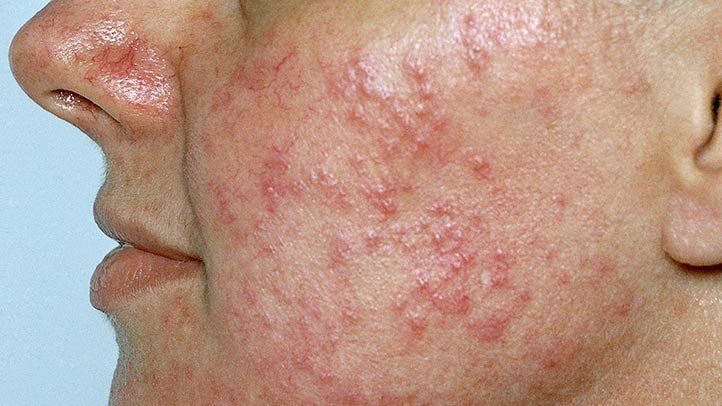
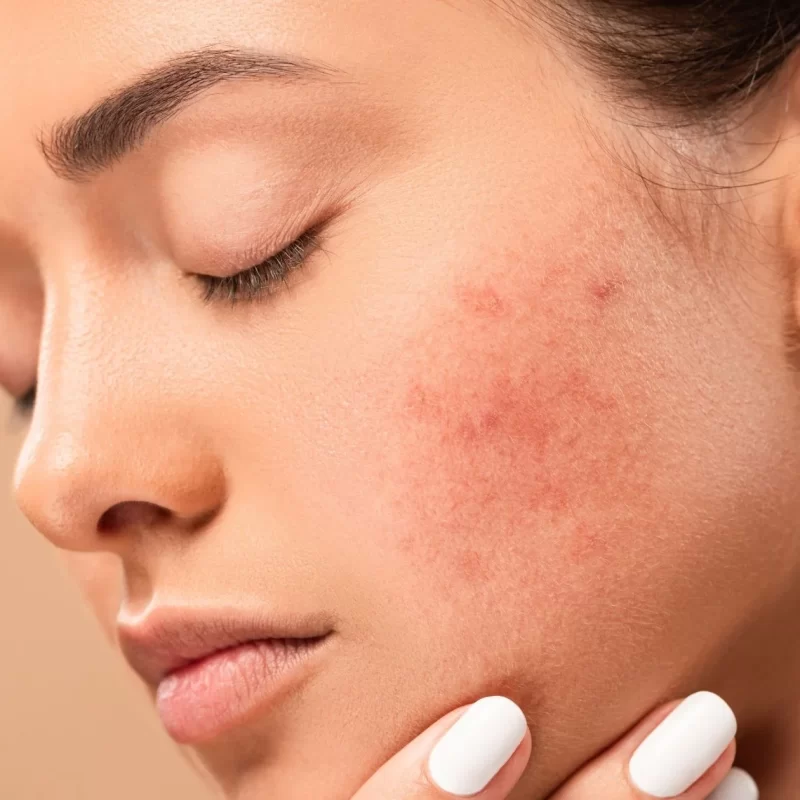
Topical vitamin C is widely used for concerns like post-acne marks, sun spots, and uneven pigmentation on the forehead or around the mouth. It helps reduce excess melanin production, which may gradually fade dark spots and discoloration over time.  This makes vitamin C serum especially popular among people dealing with acne-related pigmentation or uneven skin tone caused by sun damage. Visible results with topical vitamin C are usually gradual and may take several weeks of consistent use.

  1. Helps Protect Against Environmental Damage

Vitamin C is a powerful antioxidant that helps protect the skin against oxidative stress caused by pollution, UV exposure, and environmental factors. These stressors generate free radicals, which can contribute to premature skin aging and dullness.  While vitamin C is not a replacement for sunscreen, using it alongside SPF may help strengthen the skin’s defense against environmental damage and support overall skin health.

  1. Helps Improve Overall Skin Texture

Uneven skin texture can make the skin look rough, tired, or unhealthy even when there are no major breakouts or pigmentation concerns.  Regular use of vitamin C face serum may help improve overall skin smoothness and clarity, making the skin appear softer and healthier-looking. Many people also notice that their skincare products apply more evenly once their skin texture improves.

  1. May Improve Fine Lines and Wrinkles

Another reason vitamin C serum is commonly used is its potential role in improving the appearance of fine lines and wrinkles. By supporting collagen production and helping reduce oxidative stress, vitamin C serum may help the skin appear smoother over time.  It may not erase deep wrinkles, but regular use can support healthier-looking skin texture and elasticity.

  1. May Help Fade Acne Marks

Post-acne marks and discoloration can remain long after active acne has healed. Vitamin C is commonly included in skincare routines designed for post-inflammatory hyperpigmentation because of its brightening properties.  With regular use, it may help gradually fade leftover acne marks and support a more even-looking complexion. Persistent pigmentation, acne marks, or uneven skin tone may sometimes need a personalized skincare approach.  At AAYNA Clinic, dermatologists create customized skincare routines based on individual skin type, sensitivity, and concerns instead of recommending one routine for everyone.

  1. May Help Reduce Visible Redness

Because of its antioxidant properties, vitamin C may help reduce skin stress caused by environmental exposure and external irritants. However, sensitive skin types may need gentler formulations, since certain vitamin C products can sometimes cause irritation.

  1. Supports Skin Healing

Vitamin C plays an important role in collagen formation and skin repair, which is why it is associated with supporting the skin’s natural healing process. While vitamin C is not a treatment for wounds or damaged skin, it may support healthier skin function over time.

  1. Helps Support Overall Skin Health

Vitamin C does more than target a single skin concern. Its antioxidant properties help support overall skin health by protecting against environmental stress while improving brightness, texture, and skin tone.  This is one reason vitamin C serum continues to be one of the most widely used skincare ingredients across glow, pigmentation, and early anti-aging skincare routines. Note: Since vitamin C formulations may not suit every skin type, it is advised to consult a dermatologist for best results. Now that we understand the vitamin C serum benefits, let’s look at how dermatologists at AAYNA Clinic incorporate it into personalized skincare routines.

How Do Dermatologists Use Vitamin C Serum in a Clinic?

While vitamin C serum is widely used in everyday skincare routines, dermatologists often use it more strategically.Depending on the patient’s skin sensitivity and concerns, dermatologists may sometimes include vitamin C-based skincare alongside treatments like

  • Chemical peels
  • Laser procedures
  • Pigmentation-focused skincare plans

This personalized approach helps reduce the risk of irritation while making skincare routines more effective for individual concerns.


Why Dermatologist Guidance Matters?

Not every vitamin C-based skincare product suits every skin type. Stronger formulations may sometimes irritate sensitive or acne-prone skin, especially when mixed with too many active ingredients. This is why dermatologists usually recommend choosing vitamin C products based on individual skin concerns instead of following viral skincare trends alone.


Common Mistakes Dermatologists See With Vitamin C Use

  • Using Too High of a Concentration: Strong vitamin C serums may irritate sensitive skin and cause redness or stinging. Dermatologists usually recommend starting with lower concentrations before trying stronger formulations.
  • Mixing Too Many Active Ingredients: Using vitamin C with strong acids or retinol in the same routine may irritate the skin. Vitamin C is commonly used in the morning, while retinol and exfoliating acids are better suited for nighttime use.
  • Skipping Sunscreen: Vitamin C does not replace sunscreen. Without SPF, UV exposure can continue contributing to pigmentation and early skin aging.
  • Applying on irritated or compromised skin: If your skin barrier is already peeling or inflamed, actives tend to irritate more. Focus on repairing your skin barrier before applying vitamin C serum for face.
  • Using an Oxidized Serum: If your vitamin C serum turns dark brown or orange, it may have oxidized and become less effective. Store it away from heat and sunlight.

Not sure which vitamin C serum suits your skin? Dermatologists at AAYNA Clinic personalize skincare routines based on individual skin concerns and sensitivity.

How to Use Vitamin C Serum Correctly?

The right way to use vitamin C serum for face is to apply 3 to 4 drops to a clean, dry face in the morning. Let it absorb for 1-2 minutes, and follow up with a lightweight moisturizer that suits your skin. If you apply vitamin C serum in the morning, do not forget to apply sunscreen.  If you are a beginner, patch test before applying the serum on your entire face.


How to Choose the Right Vitamin C Serum?

Choosing the right vitamin C serum is not just about picking the highest concentration. Dermatologists usually recommend using a stable formulation, since unstable vitamin C products may change color quickly and become less effective over time.  However, terms like “stable formulation” can be confusing for someone without skincare expertise. Which is why consulting a dermatologist may help in choosing a serum suited to your skin type and concerns. At AAYNA Clinic, dermatologists assess your skin concerns, sensitivity, and existing skincare routine before recommending active ingredients like vitamin C.


When Will You See Results From Vitamin C Serum?

In most cases people may start seeing results within 2-4 weeks of consistent use. Some people may notice improved glow and hydration within a few weeks, while concerns like pigmentation and post-acne marks often take longer to show visible improvement. However, the results depend on factors like skin type, consistency, formulation, and the skin concern being treated.

Who Should Avoid Vitamin C Serum?

Vitamin C serum may not suit everyone, especially when used in high concentrations or combined with too many active ingredients. You may need extra caution if you:

  • Have highly sensitive or reactive skin
  • Experience burning or irritation with active skincare ingredients
  • Use strong exfoliating acids or retinol regularly
  • Have eczema or an impaired skin barrier
  • Are using very high-strength vitamin C formulations without guidance

Who Is an Ideal Candidate for Vitamin C Serum?

Vitamin C serum is commonly used by people looking for the overall benefits of a face serum to improve the following:

  • Dull or tired-looking skin
  • Uneven skin tone
  • Pigmentation and dark spots
  • Post-acne marks
  • Early signs of aging
  • Mild texture irregularities

Conclusion

Vitamin C serum has become one of the most popular skincare ingredients, and its popularity highlights some of the most well-known face serum benefits, improved skin texture, and support for a more even-looking complexion. However, visible results usually depend on choosing the right formulation, using it consistently, and understanding what works best for your skin type.  If you are a beginner, start with a lower concentration, apply it on clean dry skin, and always pair it with sunscreen during the daytime. If you are unsure which vitamin C serum suits your skin or are struggling with persistent pigmentation, acne marks, or sensitivity, book a consultation at AAYNA Clinic. Dermatologists at AAYNA create personalized skincare plans based on your skin type, concerns, and treatment goals to help you achieve healthier-looking skin safely and effectively.


Frequently Asked Questions

Is it okay to use vitamin C serum every day on the face?

Yes, vitamin C serum can usually be used daily as part of a regular skincare routine.  Most people apply it once a day, preferably in the morning, to help protect the skin against environmental stress and support brighter-looking skin. However, people with sensitive skin may need to start slowly, such as using it 2–3 times a week before increasing frequency.

Can I use vitamin C serum at night? 

Yes, vitamin C serum can also be used at night. While many dermatologists recommend using it during the daytime alongside sunscreen for antioxidant protection, nighttime use may also help support skin repair and overall skin health. The best timing often depends on your skin type and the other active ingredients in your routine.

What are the side effects of vitamin C serum? 

Some people may experience mild irritation, redness, dryness, stinging, or tingling after using vitamin C serum, especially with higher concentrations or sensitive skin types. Overusing strong formulations or mixing vitamin C with too many active ingredients may increase irritation. If discomfort persists, it is best to stop using the product and consult a dermatologist.

How to use vitamin C serum for face at night? 

Start by cleansing your face and allowing the skin to dry completely. Apply 3–4 drops of vitamin C serum evenly across the face and gently pat it into the skin. Follow with a moisturizer to help support the skin barrier. If you are using strong active ingredients like retinol or exfoliating acids at night, consult a dermatologist before combining them with vitamin C.

Can topical vitamin C be used with active ingredients?

Yes, topical vitamin C can be used with certain active ingredients, but the combination depends on your skin type and tolerance. Ingredients like hyaluronic acid and niacinamide are generally well tolerated with vitamin C. However, combining vitamin C with strong exfoliating acids or retinol in the same routine may irritate sensitive skin. Dermatologists often recommend introducing active ingredients gradually instead of layering everything together at once.

The Rise of “Baby Botox”: Why Less is Often More in Modern Aesthetics

In the world of aesthetic dermatology, the “frozen” look of the early 2000s is officially a thing of the past. Today, the most sought-after result isn’t a face that doesn’t move—it’s a face that looks well-rested, refined, and entirely natural.

Enter Baby Botox.

While the name might sound like a marketing gimmick, it actually describes a very specific, sophisticated approach to neuromodulators. Whether you’re looking to prevent the first signs of aging or refine your skin’s texture, here is everything you need to know about the micro-dosing trend.


What Exactly is Baby Botox?

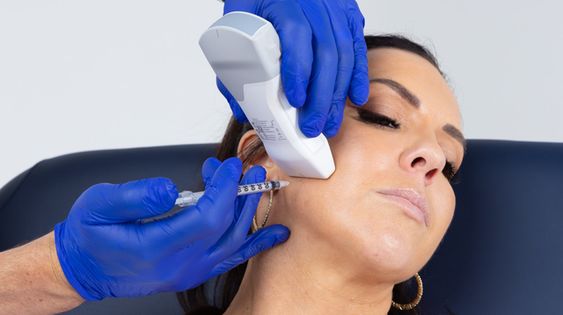
Technically, “Baby Botox” isn’t a different product; it uses the same FDA-approved Botulinum Toxin Type A (like Botox, Dysport, or Xeomin) that practitioners have used for decades. The difference lies in the dosage and technique.

As our experts note, Baby Botox refers to the administration of significantly smaller doses of the toxin across more precise injection points. Instead of “blocking” a muscle entirely, the goal is to gently relax it. This allows for natural facial expressions—you can still frown, smile, and look surprised—but without the deep etching of lines into the skin.


Beyond Wrinkles: The Surprising Benefits for Pores and Rosacea

Most people associate Botox strictly with forehead lines or crow’s feet. However, when used in micro-doses, its application becomes far more versatile. By targeting the more superficial layers of the skin rather than just the deep muscle, Baby Botox can address:

  • Open Pores: It helps in constricting the skin’s surface, making pores appear smaller and the skin’s texture smoother.
  • Rosacea and Redness: Clinical studies and dermatologist insights suggest that micro-dosing can reduce the flushing associated with rosacea by affecting the tiny blood vessels near the skin’s surface.
  • The “Turtle Neck”: It is frequently used on the neck to soften platysmal bands and “necklace lines,” providing a subtle lift to the jawline.
  • Oil Control: Micro-infusions can temporarily decrease sebum production, making it a “secret weapon” for those with chronically oily skin.

Is it More Effective Than Standard Botox?

“Effective” depends entirely on your goals. Standard Botox is still the gold standard for correcting deep, established wrinkles. However, Baby Botox is the preferred choice for:

  1. First-Timers: It serves as a perfect “trial run” for those nervous about looking “artificial.”
  2. Preventative Maintenance: Ideally suited for individuals in their 20s and 30s who want to stop lines from forming in the first place.
  3. Single Indication Needs: Sometimes a client only wants to address one specific area—like a slight lift of the brow or a softening of the “11” lines—without treating the entire face.

The Trade-Off: Longevity vs. Subtlety

Because the dosage is lower, the body may metabolize the product slightly faster. While a standard Botox treatment typically lasts 3 to 4 months, Baby Botox may require a touch-up every 2 months. It is a commitment to a “maintenance” lifestyle rather than a one-and-done fix.


What to Expect During the Procedure

The procedure is remarkably quick, often dubbed a “lunchtime treatment.”

  • Consultation: A doctor-supervised assessment is vital to map out your unique facial movements.
  • The Sensation: Most patients describe the injections as a tiny “pinch.”
  • Downtime: There is virtually no downtime. You might see tiny bumps (like mosquito bites) at the injection site, but these usually subside within 30 to 60 minutes.

Frequently Asked Questions (FAQs)

Q: Will I look “frozen” with Baby Botox? A: No. The entire philosophy of micro-dosing is to preserve movement. You will still have a full range of expression, just with a “filtered” and smoother skin appearance.

Q: At what age should I start? A: There is no “perfect” age, but many dermatologists recommend starting in your late 20s or early 30s if you notice “static lines”—lines that remain visible even when your face is at rest.

Q: Is Baby Botox cheaper than regular Botox? A: Not necessarily. While fewer units are used, the technique requires a higher level of precision and more injection points. Most clinics charge based on the expertise of the injector and the customized nature of the treatment plan rather than just the unit count.

Q: Can it be combined with other treatments? A: Absolutely. It pairs exceptionally well with dermal fillers for volume or chemical peels for surface radiance. Always ensure your treatments are doctor-supervised to ensure the safest results.


7 Dermatologist-Approved Tips to Reduce Pores

Large pores affect skin texture, makeup finish, and overall appearance. Large facial pores are caused by excess oil, buildup of dead skin, sun exposure, and age-related collagen loss. All these changes reflect light from the skin surface differently. Thus, the skin looks dull and coarse. You should treat pore-related concerns based on medically guided routines and not with any random product usage. We have listed dermatologist approved tips to reduce pores.

Expert assessment will find the real cause for large pores, whether it is due to oily skin imbalance, acne, or a weakened skin structure. At Aayna, one of the best skin treatment clinic in Delhi, dermatology-based treatment plans focus on oil control and skin renewal with collagen support through structured care. This helps to minimize flare-ups and provides slow but sure improvement.

Dermatologist-Approved Tips to Reduce Pores Appearance

Pore reduction depends on daily care, the use of medical-grade products, and controlled procedures. These steps are designed to correct oil flow, clear pore lining, and enhance skin texture:

  1. Follow a Consistent Cleansing Routine

Cleansing removes the oil, dirt, perspiration, and impurities that block pore walls. You would clean the face according to skin type, once or twice a day, using a mild face wash. Strong cleansers strip skin of natural oils, which leads to compensatory rebound oil production. This rebound oil keeps the pores larger than usual. In the morning, cleansing may help remove oils secreted at night.

Evening cleansing helps clear off particles of air pollutants and sunscreen residue. Clinically, a steady day-and-night cleansing has been observed to reduce apparent oil shine in four weeks. With normalization of oil production, the size of pores also appears to be diminished.

The temperature of water also has an impact on the behavior of pores in relation to cleansing. Hot water does the job of loosening surface oils but compromises barrier strength with repeated use. Cold water provides a tightening effect to surface tissue but does not do a good job of dissolving oil. Dermatologists recommend lukewarm water as an optimal choice to balance oil removal with protection of the barrier.

Pat drying with a soft towel is advisable to avoid any friction injury around pore edges. These minor changes protect the shape of the pores with time and support the stability of the skin over a long period. Based on seasonal weather fluctuation, acne activity, or the mapping of oil zones, the cleaning routine needs to be changed accordingly at Aayna Clinic. Such a controlled approach ensures protection against dryness, as well as excess shine.

  1. Exfoliate Gently to Prevent Pore Blockage

Dead skin cells collect around pore openings and form plugs. These plugs stretch follicle walls and increase pore visibility. You should remove surface buildup with controlled exfoliation instead of harsh scrubbing. Abrasive scrubs damage the skin barrier and increase oil stimulation.
Medical exfoliants such as salicylic acid clear oil from inside pore linings. Lactic acid smooths surface texture while maintaining hydration balance. Dermatologists often limit exfoliation to once or twice weekly based on sensitivity level.

Clinical exfoliation improves light reflection across the skin surface and reduces pore shadowing. Surface smoothness also improves serum penetration. Exfoliation timing also affects pore response. Night exfoliation allows the skin to repair during rest hours. Exfoliation followed by sun exposure during the day increases sensitivity and oil rebound.

Dermatologists recommend that barrier support through light moisturizers should go hand in hand with exfoliation. Such a combination minimizes dryness without encouraging clogging. Regular spacing shields the pore rims from repetitive stress and allows sustained refinement over time.

  1. Use Non-Comedogenic Skincare Products

Product choice plays a key role in pore stability. Thick creams, heavy oils, and occlusive makeup trap debris inside follicles. You should select products marked ‘non-comedogenic and oil-balanced. Such formulations prevent residue from accumulating inside pore ducts. Foundations with lightweight silicone bases blur pore edges without trapping oil when used in controlled amounts.

Sunscreen selection should match oil activity to avoid clogging. Clinical audits show patients who shift to non-comedogenic routines show lower blackhead formation within six weeks. As debris load declines, pore stretching also slows.

Ingredient awareness also improves pore control. Alcohol-heavy toners dry the surface and push oil glands into overdrive. Silicone-heavy primers form surface films that trap heat and sweat when used daily. Fragrance-driven skincare often raises irritation risk and increases barrier stress. Dermatologists review ingredient lists based on your oil pattern, acne history, and climate exposure.

Product layering order also matters. Light serums should go before heavier moisturisers to avoid pore sealing. Makeup removal must remain thorough at night to prevent residue buildup. When follicles stay clear, the pore rim faces less pressure and retains a tighter shape. Consistent product discipline protects skin structure and limits repeated dilation cycles across oil-prone zones.

  1. Apply Sunscreen Daily to Protect Skin Texture

Exposure to ultraviolet light damages collagen; this, therefore, makes the wall of the pores weak. It becomes weak; hence, it lets the pores swell due to the accumulation of oil. That is the reason he or she applies broad-spectrum sunscreen every morning, even when there is a cloudy day, just to be on the safe side.

Medical SPF filters protect collagen fibers from photodamage. Long-term use of sunscreen slows the expansion of pores associated with sun exposure. Clinical studies have noted visible pore softening after consistent photoprotection across twelve weeks.

Sunscreen also regulates uneven texture caused by tanning and surface dehydration. Sun exposure thickens the outer skin layer, trapping oil and increasing visible pore depth. Regular sun protection maintains balanced surface shedding and limits rough buildup around the edges of the pores. This balance promotes smoother light reflection and enhances the effect of other pore treatments over time.

  1. Use Retinoids Under Professional Guidance

Retinoids speed up cell turnover and strengthen collagen support around pores. They also reduce oil gland activity with continued use. You should introduce retinoids only under dermatology guidance. When it is used improperly, it causes peeling, reddening, and flare-ups. Medical-grade retinoids mitigate pore structure by enhancing skin density and skin elasticity.

It has been proven that visible tightening of pores can be observed in the case of regular nighttime use over eight to ten weeks. Dermatologists change the intensity of retinoid with respect to the amount of oil, acne scars, and skin sensitivity. The use of dose control helps avoid irritation and thus enhances the overall results over a prolonged period of time.

Retinoids also improve how pores empty oil and debris over time. As cell renewal becomes regular, pore openings stay clearer and less stretched. This prevents repeated clogging that leads to visible enlargement. Initial dryness or sensitivity often settles once the skin adapts to treatment.

Night application works best since light exposure reduces retinoid stability. A simple routine with controlled hydration supports tolerance. Continuous monitoring allows dose changes as skin strength improves. Long-term use supports smoother texture and more even oil flow across the treated zones.

  1. Try Chemical Peels and Advanced Facial Treatments

Chemical peels clear pore lining, regulate oil secretion, and stimulate fresh skin formation. You must select peel strength based on skin sensitivity and acne pattern. Light peels improve surface texture. Medium-depth peels correct deeper congestion.

Hydrafacials, oxygen infusions, and carbon peel treatments also assist with deep pore cleansing. These treatments remove trapped debris and temporarily tighten pore openings. At Aayna Clinic, treatment selection follows pore depth analysis and oil activity assessment. This avoids overtreatment and supports steady visible changes.

Peel frequency plays a key role in pore response and skin safety. Overuse disrupts barrier balance and increases rebound oil flow. Most dermatologists space mild peels at two- to four-week intervals based on skin recovery speed. Deeper treatments require longer recovery windows to protect new skin formation. Proper spacing allows collagen repair to continue without surface stress.

This timing also reduces post-treatment breakouts and uneven texture rebound. Skin type also guides peel planning. Oily skin tolerates slightly shorter gaps. Sensitive skin needs longer rest phases. Seasonal factors affect peel tolerance as well. Hot weather increases irritation risk and oil surges. Cold weather slows healing speed. A planned schedule based on these factors supports steady pore refinement while protecting long-term skin strength.

  1. Consider Laser Resurfacing for Smoother Skin Texture

Laser resurfacing targets collagen loss, uneven texture, and widened pores together. This method delivers controlled heat into deeper skin layers. Heat stimulates collagen renewal and tightens weakened pore walls. You should choose laser resurfacing only after clinical evaluation of oil activity, acne history, and skin thickness.

Fractional lasers work on small skin zones at a time. These microzones heal faster and form new collagen networks. As collagen density improves, pore edges shrink, and surface texture evens out. Clinical data shows fractional laser sessions reduce visible pore size by thirty to forty per cent across three to five sessions. Results improve gradually as collagen matures.

At Aayna Clinic, dermatologists select the laser type based on pore depth, pigment risk, and healing speed. This controlled selection limits post-treatment congestion and pigment shifts.

Laser procedures require preparation and recovery planning. You must pause strong activities before sessions. Sun protection before and after remains essential. Skin hydration also supports recovery quality. Post-procedure care decides long-term success more than the laser session alone.

Conclusion

Visible pores respond best to structured routines, medical-grade skincare, and professionally guided treatments. Cleansing stability, exfoliation control, regulation of retinoid, chemical peels, and laser resurfacing work in tandem when applied in the right order. Random layering delays progress and weakens results.

The correcting of pores guided by dermatology at Aayna Clinic incorporates staged assessment, technology-backed treatments, and recovery-based planning. In doing so, this supports natural skin structure and improves surface smoothness while keeping oil stable for long-term care.

Pros and Cons of Dermal Fillers for Under Eyes and Lips

Dermal fillers address facial volume loss through targeted, non-surgical intervention. The under eye area shows early structural change due to thin skin and limited fat support. Hollow form and shadows deepen. These changes affect how rested your face appears.

Many people notice tired-looking eyes despite adequate sleep. Treatment focuses on restoring underlying support rather than altering facial identity. At AAYNA, one of the best skin treatment clinics in Delhi, practitioners prioritize safety, proportion, and natural facial balance through detailed assessment and controlled injection planning.

Understanding Dermal Fillers for Under Eyes and Lips

Dermal fillers are soft tissue-supporting, injectable gel substances that are used to rejuvenate and enhance the look of the skin. The majority of the under eye treatments involve hyaluronic acid-based fillers. The hyaluronic acid is found naturally in skin, which contributes to hydration and framework. Injection of this material at the right depth induces integration into surrounding tissue and offers lift.

There is delicate anatomy involved with the use of under eye fillers. Skin remains thin. Blood vessels lie close to the surface. Injectors place filler deep, near bone or within specific tissue planes, to reduce surface irregularities. Small quantities achieve structural correction. Excess volume increases swelling risk and contour distortion.

Fillers used for lips differ from those used for under eyes. Lips require flexibility due to constant movement. Under eyes require stability and controlled spread. Product selection depends on density, cohesiveness, and integration behavior.

Injector experience plays a critical role in treatment safety and outcome quality. During consultation, your provider evaluates skin thickness, bone support, fat pad position, and facial movement patterns. This assessment guides filler choice and injection strategy.

Pros of Dermal Fillers for Under Eyes

Dermal fillers for under eyes restore structural support to reduce hollows and shadows, helping your eyes appear rested and balanced. Now, let us look at some of the pros:

  1. Reduced Appearance of Dark Circles and Hollowness

Dark circles often appear due to volume loss rather than pigmentation. When tissue thins, underlying blood vessels show through the skin. Shadows form under the eyes. Fillers restore structural support in the tear trough region. Improved support reduces shadow depth. Light reflects more evenly across the surface. Your under eye area appears brighter.

Clinical studies on tear trough correction report high satisfaction when providers address volume-related causes. Outcomes improve when injectors use conservative volume and deep placement. Structural correction targets the root cause of hollowness rather than masking surface appearance. Your provider assesses whether volume loss drives dark circles before recommending treatment.

  1. Smoother Transition Between Lower Eyelid and Cheek

A visible groove between the lower eyelid and cheek creates a harsh facial contour. This separation draws attention to the under eye area. Fillers soften this junction by restoring continuity between adjacent regions. The lower eyelid blends smoothly into the cheek. Facial contours appear balanced and even.

This transition plays a major role in facial aesthetics. Poor blending exaggerates a tired appearance. Excess filler disrupts natural proportions and leads to puffiness. Skilled injectors focus on gradual contour correction. At AAYNA Clinic, practitioners emphasize precise placement to maintain a smooth transition while preserving natural cheek support.

  1. More Awake and Refreshed Facial Expression

Under eye hollows influence how others interpret facial expression. Volume loss sends visual cues associated with fatigue and stress. Fillers restore underlying support beneath the eyes. This support lifts the area subtly. Your eyes appear more open. Your expression looks alert and rested.

Patients often report improved confidence after treatment. Small structural changes influence social perception. You appear healthier without dramatic alteration. This outcome appeals to individuals seeking improvement without obvious cosmetic signs, especially professionals who prefer subtle enhancement.

  1. Non-Surgical Enhancement With Gradual and Natural Changes

Under eye fillers offer a non-surgical approach to volume restoration. Treatment sessions remain brief and outpatient-based. You return to daily routines with simple care steps. Mild swelling occurs initially. Results develop gradually as swelling settles and filler integrates with tissue.

Hyaluronic acid fillers allow controlled enhancement over time. Providers adjust volume during follow-up visits if needed. This gradual approach supports natural change rather than abrupt transformation. At AAYNA Clinic, practitioners follow staged correction principles to preserve facial harmony and reduce overfilling risk.

Pros of Dermal Fillers for Lips

Dermal fillers for lips improve volume, definition, and proportion, helping your lips appear balanced and natural. Now, let us understand the pros of it:

  1. Improved Lip Volume Without Distorting Natural Shape

Lip volume reduces with age due to collagen decrease and reduced hydration. This change affects fullness and contour. Dermal fillers restore volume through controlled placement. The treatment goal focuses on support rather than exaggeration. You receive small amounts placed with precision. This approach protects natural lip shape.

Clinical practice shows higher satisfaction when providers follow conservative volume plans. Excess filler alters proportions and affects facial balance. Gradual correction across sessions supports stable outcomes. Your lips appear fuller while maintaining familiar contours. This method suits individuals seeking refinement instead of a dramatic size change.

  1. Better Lip Border Definition and Cupid’s Bow Clarity

Lip borders lose sharpness due to repetitive movement and structural weakening. Reduced definition affects symmetry and lip shape clarity. Fillers restore structure along the vermilion border. This improves outline visibility. Cupid’s bow appears sharper and more defined.

Precise border work improves makeup application and lip symmetry. Small volume placement supports shape without stiffness. Injector skill matters due to constant lip motion. At AAYNA Clinic, practitioners focus on accurate border placement to enhance shape while preserving softness and movement.

  1. Balanced Upper and Lower Lip Proportions

Lip proportion plays a central role in facial harmony. An imbalance between the upper and lower lips draws attention and disrupts symmetry. Fillers correct this imbalance through targeted volume placement. Distribution follows natural facial ratios.

Assessment guides treatment planning. Your provider evaluates lip height, width, and projection. Fillers support balance rather than size alone. Correct proportion improves frontal and profile views. This adjustment supports a cohesive and natural appearance.

  1. Ability to Adjust Volume in Small, Controlled Amounts

Lip fillers allow gradual enhancement. Providers add volume in stages across sessions. This approach reduces overcorrection risk. You retain control over the final appearance.

Hyaluronic acid fillers integrate smoothly with lip tissue. Adjustments occur during review visits. This flexibility supports personalized outcomes. Incremental enhancement suits first-time patients and those preferring subtle improvement.

Cons of Dermal Fillers for Undereyes and Lips

These treatments involve a higher risk in sensitive areas, results fade over time, and regular maintenance sessions become necessary. So, let’s look at the cons:

  1. Higher Care Needed in Delicate Facial Areas

Under eyes and lips contain dense blood vessel networks and sensitive tissue. Injection in these zones demands advanced anatomical knowledge. Inaccurate placement increases complication risk. Swelling, bruising, and contour irregularities occur more often in these regions.

Provider expertise influences safety and results. Proper assessment and depth control reduce risk. Product choice also matters. You should seek clinics with trained medical professionals and emergency protocols. Skilled care protects health and aesthetic outcomes.

  1. Temporary Nature of Results Over Time

Dermal fillers do not provide permanent correction. The body gradually breaks down hyaluronic acid. Volume reduces over time. This process varies based on metabolism, movement, and treatment area.

Under eye fillers often last nine to twelve months. Lip fillers last six to nine months due to frequent movement. You should plan repeat sessions to maintain results. Understanding duration helps align expectations and treatment planning.

  1. Need for Maintenance Sessions for Sustained Outcome

Maintenance sessions support consistent results. Regular reviews allow providers to assess tissue response and volume loss. Timely touch-ups preserve balance and symmetry.

Delaying follow-ups leads to uneven volume reduction. Large corrective sessions increase overfilling risk. Structured maintenance supports gradual change. At AAYNA Clinic, patients receive guided review schedules to maintain proportion and safety over time.

Aftercare and Steps to Maintain Long-Lasting Results

Proper aftercare, activity control, and timely follow-ups help you reduce side effects and maintain balanced results for a longer period.

  1. Manage Swelling and Tenderness After Treatment

Swelling and tenderness often appear after filler injections. These effects peak within the first few days. Cold compresses reduce discomfort. Gentle care supports recovery.

You should avoid touching or massaging treated areas unless advised. Head elevation during sleep supports fluid drainage. Adequate hydration supports tissue healing. Providers share tailored aftercare guidance based on treatment sites.

  1. Follow Activity and Lifestyle Guidelines During Recovery

Physical exertion increases swelling risk after injections. You should pause intense exercise for a short period. Heat exposure from saunas and hot showers should remain limited.

Alcohol intake increases bruising risk. Smoking delays healing. Makeup applications near injection sites should wait until the skin settles. Adhering to guidelines protects comfort and outcome quality.

  1. Schedule Follow-Up Visits to Maintain Result Balance

Follow-up visits allow outcome assessment and symmetry checks. Providers review volume integration and facial balance. Minor adjustments occur when needed.

Planned reviews prevent overcorrection and uneven appearance. Regular communication supports satisfaction and long-term care. Treatment outcomes align better with expectations through structured follow-up.

Conclusion

Lip and under eye dermal fillers are for volume corrections given at specific sites. Each location has a different technique and requires meticulous planning. Advantages include a well-defined outline, proper proportions of the face, and freshness in appearance. Disadvantages would include temporary results and the requirement of skilled care. With conservative planning and professional expertise, the results are natural and proportionate. AAYNA Clinic follows structured assessment, precise technique, and guided follow-up for safe and balanced aesthetic care.

Post Chemical Peel Care

Post-chemical peel care is an essential aspect of a safe skin-healing process, leading to optimal outcomes and sustainable skin benefits. At AAYNA, the best skin treatment clinic in Delhi, specialists provide aftercare tips right after a peel to calm the treated skin, reduce erythema, and leave you looking radiant.

Under the guidance of Dr. Simal Soin and her team of the best dermatologists in Delhi, you will be prescribed medical-grade products and receive individualised after-care tips. We also guarantee a painless recovery for you and minimise the risk of pigmentation, redness, or sensitivity.

Types of Chemical Peeling at Aayna Clinic

Chemical peels are dermatological treatments that exfoliate the skin to improve texture, tone, and clarity. Our chemical peels are differentiated based on the skin issues, skin type, and objective of treatment. We have a dermatologist-led method of approach where every peel is safe, effective, and optimally designed.

Glycolic Acid Peels

Glycolic acid-based chemical peeling has alpha-hydroxy acid (AHA) properties that penetrate into the skin to regulate healing from the inside. Our skin experts use this chemical peeling in their attempt to get rid of the dead skin cells, boost collagen production, and brighten the skin. We use glycolic acid peels to treat dull skin, pigmentation imbalance, fine lines, and melasma. Moreover, we also recommend them to enhance your overall skin texture with minimal downtime when applied at the uppermost levels.

Lactic Acid Peels

Lactic acid is a mild AHA; it can be used on sensitive and dry skin. Lactic acid peels are applied to enhance light pigmentation, sun damage, and youthful aging. These peels will also give you a slow outcome with minimal irritation, hence they are preferable to those who have never tried peels.

Salicylic Acid Peels

Salicylic acid is an oil-soluble (beta-hydroxy acid) that is also capable of getting deep into pores. Since it is very efficient in acne-prone and oily skin, we use this peel to de-oil, de-congest, and manage skin breakouts. Our team of skin experts uses Salicylic acid peels to minimise post-acne scars and decrease the inflammation.

Combination Peels

Based on a thorough skin analysis, we recommend combination peels if you are suffering from multiple severe skin problems at once. Our peels treat pigmentation, acne, texture, and aging in one procedure because of the combination of AHAs and BHAs. Our dermatologists analyse individual skin and produce a better result by giving out a balanced exfoliation with controlled downtime.

How does your skin react after chemical peeling?

We provide chemical peeling in our clinic to remove the dead skin cells on the skin surface, resulting in younger and smoother skin. In the next few days, your treated layers will turn red, dry, and peel slightly. Under this skin-dropping, new cells form in abundance, producing collagen and moisture to enhance texture, tone, and radiance.

Dr Simal Soin, our esteemed dermatologist, insists that aftercare is as important as the chemical peeling process itself. She also recommends that irritation and pigmentation could be prevented with the appropriate hydration, sun protection, and relaxing moisturising formulations, which facilitate simple recovery.

Immediate Post-Chemical Peel Care at AAYNA Clinic (First 24–48 Hours)

In AAYNA Clinic, our dermatologists underline that the initial 24-48 hours following a chemical peel are essential when it comes to soothing the skin and promoting optimal recovery. Your skin at this stage is tender and a bit inflamed and actively enlivening. Mild cases of redness/tightness/warmth or dryness may occur, determining the effectiveness of our peeling treatment.

Our post peel care is aimed at calming and safeguarding the skin barrier. To maintain the level of hydration and minimal discomfort, we suggest applying only mild cleansers approved by our dermatologists and using medical-grade moisturisers. There is no compromise when it comes to sun protection with broad-spectrum sunscreen. All these strict guidelines are for you to prevent post-inflammatory pigmentation and protect newly exposed skin.

We also recommend patients avoid any heat exposure, sweating, active ingredients, and makeup during this window to reduce irritation, and strenuous exercise, which can cause inflammation to intensify and have your skin become incredibly inflamed. Excessive sweating as a result of treatment may irritate the skin or cause blisters due to the inability of the skin to sweat away heat through the top layer of dead skin.

The first two days are very important because they provide your skin with the time and stability in order to effectively heal and appear calm, healthy, and with an improved complexion. Our dermatologists would be glad to assist you in making the process after peel comfortable, in control, and results-oriented.

What are AAYNA Clinic’s Long-term chemical peeling aftercare tips?

At AAYNA Clinic, long-term chemical peeling aftercare is approached as a medically guided skin-repair protocol rather than just general advice. Our dermatologists focus on aftercare because the skin becomes delicate and needs additional attention. This aftercare helps in the safe skin healing process by stabilising skin pigment, improving barrier recovery, and synthesising collagen production. The following are the long-term aftercare opinions that we propose under follow-up visits, the scientific rationale, and the clinical care procedures that we apply to each of the patients.

Avoid Sun exposure

Following a chemical peel, the epidermal layer of the skin (stratum corneum) becomes less thick. This renders the skin more vulnerable to ultraviolet radiation (UV). Excess UV activates the production of a pigment-producing cell (melanocytes), which leads to increased risk of tanning, pigmentation, and melasma. We highly recommend that you do not spend too much time in the sun and use a broad-spectrum sunscreen on a daily basis. Sunscreen also aids in protecting emerging skin cells in addition to avoiding post-inflammatory hyperpigmentation.

Avoid picking on the treated area.

It is common to have scabs and scaly skin during healing. By picking the treated part all the time, you disrupt the natural healing action of the wound and kill the regenerative epidermis. Picks cause micro-injuries, which cause inflammation. Inflammation leads to excessive melanin production that increases the chances of dark spots and scarring. These dermatologists insist on letting the skin peel itself. We guarantee the easy healing processes, reduction in the risks of the skin being infected, and the regeneration of the skin.

Follow a gentle skincare routine.

The barrier function of the post-peel skin is impaired, i.e., the skin loses moisture faster and responds more easily to harsh ingredients. Since chemical peels cause a temporary depletion of lipids in the skin, you should not use harsh cleansers or exfoliants on the recovery side because they can augment transepidermal water loss, which results in dryness, redness, and sensitivity. We prescribe non-detergent, soap-free cleansers and barrier-repair moisturisers and serums, which contain ceramides and humectants. This helps to heal the natural protective coating of the skin and makes it hydrated, and will also achieve better and healthier long-term results.

Follow a nutritional diet

We always recommend that inside healing is crucial, like outer healing. Collagen formation, inflammation, and cell repair are directly influenced by a nutritionally healthy diet. Antioxidants like vitamins C and E help in protecting the skin cells against oxidative stress. Proteins, as well as zinc, serve in repairing tissues, and adequate hydration makes the skin supple. Thus, you have to eat well-balanced, healthy food, including fruits, vegetables, lean proteins, and healthy fats. Our given diet would also accelerate your healing process, and your inflammation would reduce, and that would make your skin even more radiant using chemical peeling.

Introduce Lifestyle modifications

Lifestyle habits are known to affect the ageing of the skin, pigmentation, and acne re-emerging, and these are serious issues addressed using chemical peels. Cortisol is elevated by stress, and this may lead to broken skin and breakouts. Meditation and other mental curative exercises would assist you in managing the level of stress leading to skin enhancement. Disrupted sleep patterns cause the loss of cell turnover due to reduced supply of oxygen to the skin and reduced regeneration rate due to smoking. Being hydrated keeps your skin healthy and smooth, which also contributes to the effectiveness of the treatment as well as the after-care schedule.

Recommended follow-up routine

It takes weeks before the skin is fully healed after a peel. In the absence of professional monitoring, patients will either over- or under-treat their skin unknowingly. The skin reacts differently depending on the depth of peeling, the type of skin, and the sensitivity of the skin.

In frequent follow-up sessions, our dermatologists thoroughly assess your healing process, check your pigmentation and tanning level, analyse acne growth, and evaluate the effectiveness of the advised skin care products.

Our personalised follow-up schedules help with progress and modify the skincare or treatment plans. To avoid complications, we guarantee controlled results and help to maintain long-term skin health. We regulate medically oriented aftercare protocols in our clinic. With such detailed aftercare guidelines suggested by our dermatologists, you will be able to have a safer healing process, a longer-term effect, and healthier skin in general.

Reserve your own customised chemical peel session in AAYNA Clinic. Allow the specialists to develop a safe treatment and aftercare plan that suits your skin, guaranteeing a long-lasting outcome, healthy recovery, and noticeably better, clearer skin.

Pollution & High AQI: How It’s Silently Damaging Your Skin and Hair

India’s rising pollution levels and consistently high AQI have become more than just a respiratory concern. Dermatologists now confirm that polluted air directly accelerates skin ageing, hair fall, scalp inflammation, pigmentation, acne, and sensitivity. If your skin looks dull or your hair feels weaker despite a good routine, pollution could be the hidden culprit.

What Is AQI and Why Does It Matter for Skin & Hair?

AQI (Air Quality Index) measures pollutants like PM2.5, PM10, nitrogen dioxide, and ozone. These microscopic particles penetrate deep into the skin barrier and scalp, triggering oxidative stress—a process that breaks down collagen, elastin, and healthy hair follicles.

Urban residents are especially vulnerable due to prolonged daily exposure.


Effects of High AQI on Skin

1. Premature Ageing & Dullness: Pollution generates free radicals that damage collagen, leading to fine lines, sagging, and uneven texture. Skin loses its natural glow faster in polluted environments.

2. Acne, Sensitivity & Inflammation: Pollutants clog pores and weaken the skin barrier, worsening acne, rosacea, eczema, and redness, especially in sensitive skin types.

3. Pigmentation & Dark Spots: Repeated exposure increases melanin production, resulting in tanning, dark spots, and stubborn pigmentation, common complaints during high-smog months.


Effects of Pollution on Hair & Scalp

1. Increased Hair Fall: Pollutants settle on the scalp, blocking follicles and disrupting growth cycles, leading to excessive hair shedding and thinning.

2. Weak, Brittle Hair: Oxidative stress damages the hair cuticle, making strands dry, frizzy, and prone to breakage.

3. Scalp Issues: High AQI worsens itchy scalp, dandruff, and inflammation, often mistaken for product reactions.


How to Protect Skin & Hair from Pollution

While home care helps, topical products alone cannot reverse pollution damage. A combined approach of professional treatments and daily protection is essential.

Daily Protection Tips:

  • Cleanse skin & scalp thoroughly at the end of the day
  • Use antioxidant-rich skincare
  • Never skip sunscreen—even in winter
  • Cover hair outdoors when AQI is high
  • Avoid over-washing, which weakens the barrier

Best Anti-Pollution Treatments at AAYNA Clinic

At AAYNA Clinic, treatments are designed to repair pollution damage at a cellular level, not just mask symptoms.

  1. Advanced Skin Treatments
  • HydraFacial MD – Deep-cleanses pollutants, boosts hydration, restores glow
  • Medical-Grade Chemical Peels – Targets pigmentation, acne, and dullness
  • Anti-Ageing & Brightening Therapies – Repairs oxidative skin damage
  • AI Skin Analysis by CLARA – Identifies pollution impact & customises care
  1.  Hair & Scalp Solutions
  • Medical Scalp Detox Treatments – Removes pollution buildup
  • Hair Fall Control & Strengthening Therapies
  • Advanced Hair Spa & Repair Rituals for urban hair stress

All treatments are dermatologist-led, customised, and safe for sensitive skin & scalp.


Why Professional Care Matters in High AQI Conditions

Pollution damage accumulates deep within the skin and scalp over time. Clinical treatments help:

  • Neutralise free radicals
  • Repair barrier damage
  • Stimulate healthy hair growth
  • Prevent long-term ageing effects

Early intervention ensures healthier skin and stronger hair year-round.

Conclusion

High pollution and poor air quality are silently accelerating skin ageing and hair damage in urban India. While lifestyle changes help, expert-led treatments offer the most effective protection and repair.
At AAYNA Clinic, science-backed solutions ensure your skin and hair stay resilient—even when the air isn’t.


FAQs: Pollution/ High AQI Effect on Skin and Hair

1. Can pollution really cause hair fall?
Yes. Pollution clogs hair follicles, weakens roots, and disrupts the hair growth cycle, leading to increased shedding.

2. Does high AQI affect acne and pigmentation?
Absolutely. Pollutants trigger inflammation and melanin production, worsening acne, dark spots, and uneven skin tone.

3. Is sunscreen necessary during pollution season?
Yes. Sunscreen protects against UV rays that amplify pollution-induced skin damage.

4. How often should I opt for professional skin treatments in polluted cities?
Once every 4–6 weeks is ideal, depending on skin condition and AQI exposure.

5. Which treatment is best for pollution-damaged skin?
HydraFacial MD and medical peels are highly effective for detoxifying, repairing, and brightening polluted skin.

Is Korean Facial Good For Indian Skin?

The Korean facials have become very popular due to their non-abrasive and impressive skin results, particularly for individuals who want treatments that are mild yet effective. Often, individuals with Indian skin would be wondering whether they are effective in their unique requirements.

The lifestyle and climate of India tend to be tanning, uneven, dry, and straining on Indian skin. These concerns are similar to the Korean facials, as they are more hydrating, relaxing, and repairing. Their soft formulas render them applicable to various skin types, such as sensitive or reactive skin.

Beauty expert Aayna Clinic has become famous for highly recommended skin treatments, including Korean facial techniques, which are considered to be the best, safest, and most effective in long-term skin maintenance. For more, consult the best dermatologist in Delhi.

Key Benefits of Korean Facial For Indian Skin

Here are the benefits of a Korean facial for Indian skin:

Improved Skin Hydration and Radiance

The Indian skin is often affected by heat, sun exposure, pollution, and the lack of a regular skincare routine, resulting in dehydration. Korean facials focus on deep moisture with lightweight humectants that attract water into the skin. These are not heavy formulas; hence, they would suit humid or hot climates that are prevalent in India. With the skin remaining moist, the skin looks plump and bright with a natural glow. Frequent sessions are used to ensure that the skin is kept moist over a longer duration.

The light that ensues is a result of balanced drinking and not the momentary shine. The method helps to maintain better skin performance and will minimize dullness. Korean hydration layers are commonly used at clinics such as Aayna Clinic to restore skin that appears fatigued, dry, or worn out. After a couple of sessions, many individuals feel that they look better due to the fact that moist skin reflects light better by default.

Better Management of Pigmentation

One of the most widespread issues associated with Indian skin tones is pigmentation. Sun exposure, hormonal changes, and acne scars will leave unsolvable marks that will fade slowly with time. The Korean facials aim to address uneven tone using mild brightening.

These therapies apply soft but powerful elements that stimulate the gradual processes of fading and do not cause irritation to the skin.  They assist in general tone correction by enhancing the cell turnover in a regulated manner to lighten the spots gradually, leaving the skin relaxed.

There are also a great number of Korean methods that lessen the inflammation, and this is a significant factor in avoiding new pigmentation formation. Regularly, Indian skin acquires a smoother tone, a more even complexion, and becomes balanced in its look. Other Korean beauty rituals involve the use of relaxing masks, which cool the heat, minimize the redness, and tan the skin.

Safe Exfoliation for Sensitive Skin

The Indian skin is prone to hard scrubs, strong acids, and rough exfoliation methods. Korean facials do not employ harsh techniques but make use of gentle enzymes or gentle peeling solutions.

These formulas raise off dead cells without scratching or degrading the surface. This also guarantees less redness and after-treatment pain. This exfoliation is mild enough to fit the Indian skin, which becomes responsive or darkly marked after exposure to irritation. It also prevents post-inflammatory pigmentation, usually arising when exfoliation is too vigorous. The complexion is cleared and is more advanced with time. This low intensity also prepares the skin to receive more serums and moisturisers, and other skincare processes become more effective.

Strengthened Skin Barrier Function

The skin barrier is mandatory in safeguarding against pollution, dust, and changes in temperature, among other environmental stresses. The climate difference, sun exposure, and daily habits of the Indians tend to compromise Indian skin. Korean facials put a high emphasis on skin repair through the use of ceramides, calming plant extracts, and highly hydrating essences.

These nutrients assist the skin in remaining tough, powerful, and well-balanced. A healthier barrier foregoes sensitivity, irritation, redness, and dryness. It also enhances the skin’s capacity to hold moisture during the day.Regular facials of Korean origin make Indian skin less sensitive and responsive. In clinics where much attention is paid to barrier repair measures, including Aayna Clinic, significant positive results in the overall state of the skin, in its comfort, and in its smoothness are observed in the long term.

Balanced Oil Control

Several individuals whose skin is Indian tend to produce an excess of oil, particularly in humid or coastal areas. Nevertheless, peeling the skin is likely to cause even more oil. Korean facials do the reverse of drying the skin by replacing the fluid.

When the skin is well moisturized, it secretes less oil to make up. Lightweight emulsions, gentle balancing toners, and water-based essences are used to ensure the skin stays refreshed without being too heavy. This method is used to keep the shine under control and soft. The skin is formed to have a balanced appearance as opposed to being dry or greasy. This equilibrium decreases congested pores, blackheads, and breakouts with time.

Enhanced Anti-Aging Benefits

The Indian skin develops signs of aging that include lines, uneven tones, and loss of firmness slowly. To target these issues, Korean facials have peptides, antioxidants, and collagen-helping ingredients, which go light on the face. They enhance the texture, tenderness, and the general tone without being irritating.

Layers concentrated on hydrating skin also make the skin look plump, and the lines look less harsh. These facials involve calming methods that enable the body to repair itself naturally, and this will assist in keeping it elastic. The frequent sessions result in greater firmness and a fresh radiance. Such treatments are effective with individuals who desire long-term outcomes without severe measures or rest.

Personalized Treatment

The skin of the Indian is diverse in tonality, feel, and sensitivity. The Korean facials are customized and hence can suit a variety of needs. Each step has an option of being oily, dry, combination, acne-prone, or reactive.

More can be added to achieve pigmentation, congestion, dehydration, or dullness. This customized fashion gets the skin what it wants without clutter, as well as unwarranted products. Aayna Clinic prefers a more personalized approach to Korean treatment to design treatments that suit individual ambitions, life, and skin issues. This assists the clients in recording improved results and having healthy and radiant skin in the long run.

Key Factors That Determine Whether Korean Facials Suit Indian Skin

Here are the factors that determine whether Korean facials suit Indian skin:

Melanin Levels and Pigmentation Tendencies

The melanin level in Indian skin is naturally elevated, which protects against sunburn but makes the skin more likely to get marks and uneven color. Korean facials perform well in the sense that when they apply the brightening steps, they do not irritate the skin. In case of pigmentation that is deeper or longer, it might be more effective to combine the methods of the Koreans with specific dermatological treatment. Individuals who are more prone to pigmentation need to opt for sessions aimed at chilling, hydrating, and correcting the tone slowly to ensure that new marks are not created.

Oiliness and Acne-Prone Skin Patterns

The climate and genes of many Indian skin types result in excess production of oil. Korean facials are beneficial because they balance the skin by hydrating it without being harsh like other skincare products. Active acne sufferers will find it useful to have facial treatments that contain calming, antibacterial, and pore-refining procedures. People with acne must avoid heavy creams or layers of oily substances. A regular exercise routine is the one that can help to avoid clogs and minimize recurring breakouts. This strategy would make the complexion cleaner and more even and healthier over time.

Sensitivity to Active Ingredients

Some types of Indian skin are very sensitive to brighteners or acids. Korean facials are not harsh, and the degree of sensitivity varies per individual. It is important to understand the effect of the skin on enzymes, low-dose acids, or botanical extracts. Patch testing eliminates irritation. Individuals possessing a reactive or allergy-prone skin are able to enjoy the calming effect of cucumber extracts, liquorice root, Centella asiatica, and panthenol.

Climate and Environmental Exposure

India has varied climates, such as dry summers, humid monsoons, and cold winters. Environmental exposure influences the amount of hydration, barrier functioning, and oiliness. The Korean facials are flexible since their methods are focused on moisture balancing, barrier rebuilding, and lightweight layering. Lighter textures would be appropriate in seaside or humid climate areas, and heavier ones in cold and dry climates. Correlation of the treatment to the climate results in longer and more stable long-term outcomes.

Skin Barrier Strength and Hydration Needs

The skin has a tight shield against the environment and pollution. The Korean facials are most beneficial to the skin with the support of the ceramides, amino acids, and soothing plant extracts. Individuals who have broken barriers must not undergo vigorous exfoliation during the initial sessions. The importance of hydration is that it enhances the functionality of the barriers and makes them less sensitive. Treatment of the barrier is healthy, and all other treatments to the skin are more effective.

Conclusion

The Korean facials are appropriate to Indian skin of most types, as they are concerned with hydration, comfort, and consistent improvement as opposed to decisive or drastic action. Their soft layers deal with several issues without congesting the skin. To achieve an individualized and effective treatment of Korean facial care, it is better to come to Aayna Clinic, which will guarantee high adherence to personal needs and the maintenance of healthy and beautiful skin in the long term.

11 Benefits of Carbon Facials: Why This Treatment Is Gaining So Much Attention?

If you’ve ever wished your skin could hit a reset button, a carbon facial comes pretty close. This treatment has quietly gone from being a celebrity favorite to something people are booking for real, everyday skin concerns.

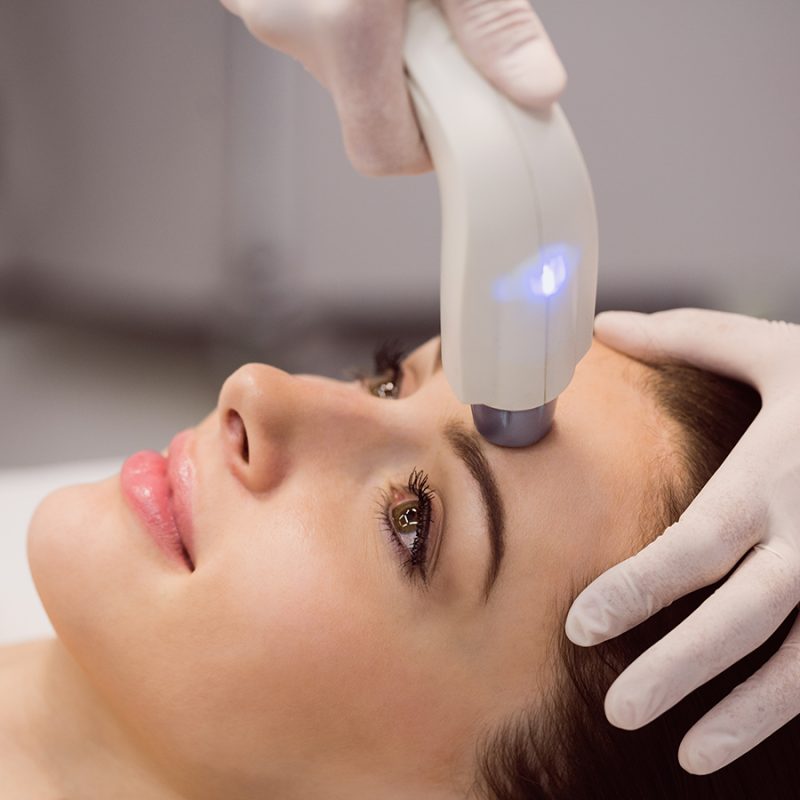
What makes it stand out is the way it works. A layer of liquid carbon goes on first, and then a laser does the heavy lifting. The carbon absorbs oil, debris, and dead skin, and the laser removes it all in a single sweep. The whole process feels controlled, precise, and surprisingly satisfying.

If you’re curious about whether it’s worth trying, here’s a detailed breakdown of the 11 benefits that make carbon facials so popular and why they’ve earned a permanent spot in so many skincare routines. For more details, consult the best dermatologist in Delhi.

11 Key Benefits Of Carbon Facial

1. Superior deep cleansing of the pores

If we had to begin the list of benefits, it has to start with how well carbon facials truly exfoliate and cleanse the pores. When the liquid carbon mask is applied, it settles into every pore, even the ones that are usually hard to clean.

This mask deeply penetrates into the pores, binding with accumulated impurities like dirt, dead skin cells, excess sebum and residual makeup.

From that, when the Q-switched laser is passed over the treatment area, the laser energy is intensely absorbed by the dark carbon particles. This process instantly vaporises the carbon, and in doing so, it effectively blasts away the attached debris and contaminants, thoroughly clearing the pores.

This, in turn, offers an extensive level of pore cleansing, which is crucial for maintaining clear, healthy skin and is superior to traditional topical cleansing methods.

2. Control excess oil and sebum production

While we are on the topic of pore cleansing, we have to talk about oily skin and excess sebum production, which is one of the leading reasons behind clogged pores.

Carbon facials regulate the excess oil and sebum production on the skin without stripping the skin or disrupting the natural moisture barrier.

The laser energy targets sebaceous glands and gradually reduces overactivity. This doesn’t eliminate oil completely, but it balances the production so your skin doesn’t feel greasy by midday. With consistent sessions, many people find that their T-zone becomes easier to manage and makeup stays in place longer.

So, if you are someone who struggles with persistent shine or recurrent acne on your face due to excess sebum production, this facial is a great option.

3. Highly effective exfoliation and cell renewal

The carbon facial involves an effective physical and thermal exfoliation treatment. During the treatment, the rapid vaporisation of the carbon layer by the laser delivers an instant, gentle exfoliation, effectively ablating the outermost layer of dull, damaged skin.

Also, the treatment speeds up the natural process of cell turnover and promotes the growth of new skin cells. This immediate resurfacing action helps to smooth out the rough patches, reduces surface irregularities, and allows your skincare products to penetrate more effectively into the skin.

4. Effective reduction in acne and breakouts

Since carbon facial plays a significant role in reducing excess oil and sebum production, it effectively reduces the formation and recurrence of acne and breakouts on the skin.

When you have clogged pores, it causes bacterial growth and excess oil production, which causes the acne breakouts to happen. Carbon facials target all three. The laser destroys acne-causing bacteria, clears pores thoroughly and reduces sebum, which reduces the chances of new breakouts forming.

Not just that, carbon facials also help calm active acne by shrinking the inflamed sebaceous glands and reducing the redness on the skin. What’s unique about carbon facials is that they offer a controlled and gentle approach that works with the skin rather than against it.

At AAYNA Clinic, our dermatologists often combine carbon facials with custom acne treatments, ensuring the best outcomes for your skin.

5. Reducing hyperpigmentation and dark spots

Over UV exposure, hormonal issues, injuries, acne scarring, etc., there are a lot of factors that cause hyperpigmentation and dark spots on the skin.

The carbon facial’s laser energy targets the melanin in the outermost part of the skin, breaking it down and eventually evening out the skin tone and appearance.

The heat from the laser energy shatters the concentrated melanin clusters into tiny fragments, which the body’s natural lymphatic system can then safely eliminate. However, the catch is that you need to undergo multiple sessions of the treatment to achieve a brighter and more uniform complexion.

6. Improve skin texture and smoothness

Beyond dark spots, another common skin concern that a lot of people deal with is uneven skin texture. It is one of the main reasons why people experience dull complexion.

Carbon facials exfoliate gently yet effectively, removing the top layer of dead skin cells and resurfacing the skin. The laser smoothens rough patches, softens bumps and promotes healthier cell turnover.

Over time, sometimes even after the first session, people experience a noticeably smoother feel and more refined surface. People often describe their skin as “baby soft” after the treatment because of how dramatically texture improves.

7. Enhanced collagen production for anti-ageing effects

One of the most crucial structural proteins in our skin is collagen. It is the “secret” behind one’s youthful, firm and elastic skin.

However, with age, collagen production gradually declines. This is where you get to reap one of the most significant benefits of carbon facials, which is the ability to stimulate neo-collagenesis.

The heat delivered deep into the dermis by the Q-switched laser creates a controlled, mild thermal injury. This triggers the skin’s natural healing cascade, signalling the body to produce new collagen and elastin fibres, helping you achieve firmer and plumper skin and softening the appearance of the fine lines and mild wrinkles.

8. Brighter and more radiant skin

The “instant glow” is what earns the carbon facial its “Hollywood peel” moniker. This is one of the main reasons why this particular facial has been gaining so much popularity among the masses.

Carbon facial uses simultaneous deep cleansing and advanced exfoliation actions, which yield immediate and dramatic results. The facial removes the layer of dead, dull skin cells and purges the impurities from the pores, thereby revealing the fresh and vibrant skin that’s hidden underneath.

9. Reduces fine lines and premature signs of ageing

We previously highlighted how carbon facials help with collagen synthesis. Owing to that, it significantly reduces the appearance of fine lines and premature ageing signs.

Also, the exfoliation process in this facial smoothens the creases, giving your face a refreshed and rested look. So, if you are someone looking for ways to slow down your early signs of ageing without going through aggressive treatments or downtime.

Carbon facial is quite effective in diminishing and softening the visible signs of aging that develop around the mouth, forehead and eyes.

10. Suitable for different skin types, including sensitive skin

Many people hesitate to try laser treatments because they worry about irritation, but carbon facials are known for being gentle and versatile. The treatment works for oily, combination, sensitive and even acne-prone skin.

The key to getting the favourable outcomes from the treatment is to ensure it is personalised to the needs of your skin. In this treatment, the carbon layer acts as a photoenhancer, meaning the laser targets the carbon rather than the skin directly. This reduces the intensity on the skin while still ensuring strong results.

Our dermatologists and specialists at AAYNA Clinic start by evaluating your skin before recommending the treatment that best aligns with your skin’s tolerance and goals.The session is comfortable, and most people return to regular routines immediately afterward.

11. A virtually painless procedure with minimal downtime

Unlike some more aggressive laser treatments or deep chemical peels, the carbon facial is celebrated for being virtually painless and requiring minimal to zero downtime.

So, if you are someone who is usually not that pain tolerant and needs a quick facial session, this is it. The procedure is quick, typically taking around 30 to 45 minutes, making it highly convenient.

During the procedure, you will experience only a mild warmth and a light sensation, often described as a faint “prickling” or “tapping” feeling from the laser. Also, if there is any kind of redness, it usually subsides within a few hours after the treatment.

A Trusted Way to Reset and Refresh Your Skin!

Carbon facials offer a well-rounded solution for anyone looking to improve their skin’s clarity, smoothness and radiance without going through invasive or time-consuming procedures.

If you’re considering this treatment, professional guidance ensures the best results. AAYNA Clinic brings together medical expertise, advanced laser systems and a client-centred approach so your experience is both safe and rewarding.

Your skin deserves expert care, and the right treatment can make a meaningful difference. Schedule your personalised consultation at AAYNA Clinic today!

4 Steps to the Perfect HydraFacial Treatment

Having a healthy and luminous complexion is the ultimate goal when it comes to our skincare, doesn’t it? But, the journey to achieving that often involves an endless journey of trial and error, one that is filled with a constant rotation of new creams, restrictive diets, and short-lived treatments.

HydraFacial is truly revolutionising that change with five simple yet in-depth steps that lets your skin “shine” and glow. It is more than your standard facials but a seamless thirty minutes experience that is designed to deliver the best skin of your life, immediately.

Wondering how you can achieve the perfect HydraFacial treatment? Having performed 30,000+ HydraFacials at AAYNA Clinic, we have a quick cheat sheet to share with you.

Step 1: The Foundation — Vortex-Cleansing and Gentle Exfoliation

This is, without a doubt, the most important part of your HydraFacial experience. If your skin isn’t “clean” and devoid of the dead and dry skin cells, it won’t be able to shine and glow as you expected.

Unlike your traditional facials that often rely on manual scrubbing, the HydraFacial uses a sophisticated, proprietary approach known as Vortex-Cleansing. This critical first step sets the stage for flawless results by removing surface-level debris and preparing the skin for deeper treatment.

Here’s how it works:

The core of this cleansing process is achieved through the unique, patented handpiece and its spiral-design HydroPeel® tip. The tip acts as a microscopic vacuum cleaner, utilising a swirling, vortex action while simultaneously infusing a specialised cleansing serum rich in active ingredients.

  • The device first delivers a serum containing nourishing botanicals and soothing agents to the skin. The gentle suction immediately lifts away surface dead skin cells, makeup residue, environmental pollutants, and accumulated dirt.
  • Simultaneously, the exfoliating action is performed to uncover the healthier, brighter skin beneath without inducing the micro-tears or post-procedure redness associated with more aggressive methods.

At AAYNA Clinic, your HydraFacial journey starts with an initial consultation, ensuring that the cleansing and exfoliation intensity is perfectly calibrated as per your skin’s needs.

Step 2: Targeted Acid Peel for Pore Decongestion

The second step introduces one of the most critical yet soothing parts of the HydraFacial, which is the acid peel.

Now, the concept of “peel” might sound intimidating but be assured that the HydraFacial peel is a non-irritating, gentle blend of glycolic and salicylic acids designed to dissolve impurities and loosen dirt lodged deep in your pores.

During the initial skin assessment with our dermatologists, our experts will first assess your skin’s tolerance and sensitivity and then customise the right “acid peel” concoction for your skin. We understand that every individual’s skin is different and therefore the strength of the peel solution is adjusted to ensure maximum effectiveness with zero discomfort.

What’s alluring about the brilliance of the HydraFacial’s chemical peel is not necessarily the ingredients but the delivery method and concentration. Because the peel is delivered uniformly and quickly and is immediately followed by neutralising hydration, it loosens the pore blockages and treats the pigmentation issues.

Getting the right and customised HydraFacial acid peel ensures that your skin undergoes renewal without redness or flaking to reveal the glow underneath.

Step 3: The Deep Clean

This particular step in your HydraFacial treatment involves deep detox for clearer and smoother skin using the automated vortex extraction process. It is a lot different than your traditional extractions, which is not only painful but leads to redness.

The advanced vacuum-based technology used during HydraFacial safely and effectively remove blackheads, whiteheads, and other impurities from deep within your pores. At AAYNA Clinic, this particular step is performed using precision settings that are tailored to your specific skin needs.

  • For individuals struggling with oily or acne-prone skin, this particular step in the HydraFacial treatment is quite beneficial. It significantly reduces the buildup of sebum and bacteria, which are two key contributors to breakouts.
  • Not just for oily or acne-prone skin, the deep clean process is also effective for people with dry or sensitive skin, ensuring a gentle and comfortable approach with no downtime. Our dermatologists and aestheticians at AAYNA Clinic ensure that extractions are precise, hygienic, and non-invasive, avoiding any unnecessary stress to the skin barrier.

After this step, a lot of the clients notice an immediate difference where the pores appear smaller and the blackheads are visibly reduced, leaving your skin looking remarkably clear.

Step 4: Hydration and Protection

The final step in the HydraFacial treatment involves the dermal infusion and protection phase, which is done after the cleansing, exfoliation, and extraction.

  • During this step, your skin receives a concentrated dose of nourishment through peptides, hyaluronic acid, and antioxidants that deeply hydrate and protect the skin. This is the step that lets you leave the clinic with a glowing and radiant complexion.
  • For optimal delivery of the ingredients, a vortex-fusion delivery system is used and the customised serums rich in antioxidants and hydrating agents are then infused into your skin. These serums help to replenish moisture, strengthen the skin barrier, and restore elasticity.

What truly differentiates AAYNA’s approach is the clinic’s attention to post-treatment care. After the hydration phase, we recommend proper aftercare and customised skincare routine, which helps prolong the HydraFacial results. This ensures that your glow not only lasts longer but also that your skin continues to improve with every session.

Should You Consider Getting a HydraFacial?

Now, with the procedure explained and what to expect, a common follow-up question is, “Would I benefit from getting a HydraFacial?” The answer to that is yes.

What’s amazing about HydraFacial is its versatility and customisable approach. This means that irrespective of your skin type, tone or texture, the treatment can be personalised to address your skin’s needs.

It addresses a wide range of concerns, including:

  • Dullness and uneven tone
  • Fine lines and wrinkles
  • Congested pores and acne
  • Dehydration and dryness
  • Hyperpigmentation and sun damage
  • Rough texture and enlarged pores

At AAYNA Clinic, our dermatologists will first assess your skin during the consultation, determine the complications and then customise your HydraFacial session.

Experience the Perfect HydraFacial at AAYNA Clinic!

Your skin deserves more than a surface-level cleanse. It deserves a treatment that rejuvenates from within. The 4-step HydraFacial at AAYNA Clinic delivers exactly that: cleansing, exfoliation, extraction, and hydration in one seamless experience that transforms your complexion.

Schedule your expert consultation at AAYNA Clinic today because your path to a perfect skin is waiting.

The Ultimate Winter Skincare Routine for Healthy, Glowing Skin

As winter sets in, the drop in humidity and temperature can leave your skin feeling dry, tight, and irritated. Even those with oily or combination skin experience moisture loss during colder months. That’s why transitioning to a winter skincare routine is not just about luxury — it’s about maintaining your skin’s health barrier.

At AAYNA Clinic, our dermatologists emphasize that the right skincare routine should adapt to the season, just like your wardrobe. Here’s a step-by-step guide to help your skin stay nourished, radiant, and comfortable all winter long.


Why Does Skin Feel Drier in Winter?

When temperatures drop, the air loses humidity — and so does your skin. Indoor heating, long hot showers, and harsh cleansers can further strip away natural oils, weakening your skin barrier. The result? Flakiness, sensitivity, and premature fine lines.

Dermatologist insight: The skin’s lipid barrier plays a vital role in sealing in moisture. When this barrier is compromised, transepidermal water loss (TEWL) increases, leading to dehydration and dullness.


Step-by-Step Winter Skincare Routine

1. Switch to a Gentle, Hydrating Cleanser

Foaming cleansers that work well in summer may be too harsh now. Opt for cream-based or hydrating cleansers that clean without stripping moisture.
Ingredients to look for: Hyaluronic acid, glycerin, and ceramides.

Pro Tip: If you have acne-prone skin, choose a mild gel cleanser with a low percentage of salicylic acid to avoid over-drying.

2. Add a Hydrating Toner or Essence

Skip alcohol-based toners that tighten the skin. Instead, go for hydrating mists or essences that replenish moisture and prep your skin for the next steps.
Dermatologist’s note: Toners containing rose water or niacinamide soothe inflammation and strengthen the skin barrier — ideal for Indian winters.

3. Layer with a Nourishing Serum

Winter calls for hydration-boosting serums. Look for hyaluronic acid, vitamin E, or panthenol. For mature or dry skin, peptides and squalane can help improve texture and elasticity.

AAYNA Tip: Apply serum on damp skin to lock in hydration more effectively.

4. Upgrade Your Moisturizer

Light gels won’t cut it in winter. Use rich, occlusive creams that trap moisture without feeling greasy.
Key ingredients: Ceramides, shea butter, jojoba oil, and niacinamide.

For oily skin types, a non-comedogenic gel-cream with hyaluronic acid offers hydration without clogging pores.

5. Don’t Skip Sunscreen (Yes, Even in Winter!)

Cloudy skies don’t block UV rays. In fact, UVA rays — the ones responsible for ageing — remain constant year-round.
Use a broad-spectrum SPF 30 or higher, even on days you’re mostly indoors.

Dermatologist-approved pick: A lightweight, hydrating sunscreen that blends easily without leaving a white cast — perfect for Indian skin tones.

6. Protect Your Lips and Hands

The delicate skin on your lips and hands loses moisture faster. Keep a nourishing lip balm (with SPF) handy and use a thick hand cream multiple times a day.

Clinic Tip: Avoid licking your lips — it makes dryness worse. Use balms with beeswax or shea butter instead.


Weekly Winter Skin Boosters

Exfoliate Mindfully: Gentle exfoliation once a week helps remove dead skin cells and allows products to absorb better.
Avoid strong physical scrubs — opt for mild chemical exfoliants with lactic acid or PHA for smoother, hydrated skin.

Add a Hydrating Mask: A weekly hydrating or overnight mask with ingredients like aloe vera, ceramides, or hyaluronic acid gives your skin a moisture surge.


Winter Skincare Mistakes to Avoid

  • Taking long, hot showers — they dehydrate skin.
  • Over-exfoliating — it can damage your skin barrier.
  • Ignoring your body — switch to creamy body washes and rich body lotions too.
  • Skipping sunscreen — UVA rays still age the skin, even in winter.

Dermatologist’s Tips for Indian Skin in Winter

  • Drink enough water. Hydration starts from within.
  • Use a humidifier indoors if you spend long hours in heated environments.
  • Consult a dermatologist if you notice persistent flakiness, redness, or itchiness — it could be eczema or contact dermatitis.

At AAYNA, we also recommend professional treatments like HydraFacial or Préime DermaFacial during winter to restore hydration and glow while keeping the skin barrier intact.


In Conclusion

Winter skincare doesn’t have to be complicated — it’s about listening to your skin and adjusting your products accordingly. By using gentle, hydrating, and protective formulations, your skin can stay healthy, soft, and radiant even in the coldest months.

Let your skin glow through the season — with care, consistency, and AAYNA’s expertise.