Is 30 Too Late To Start Anti-Aging?

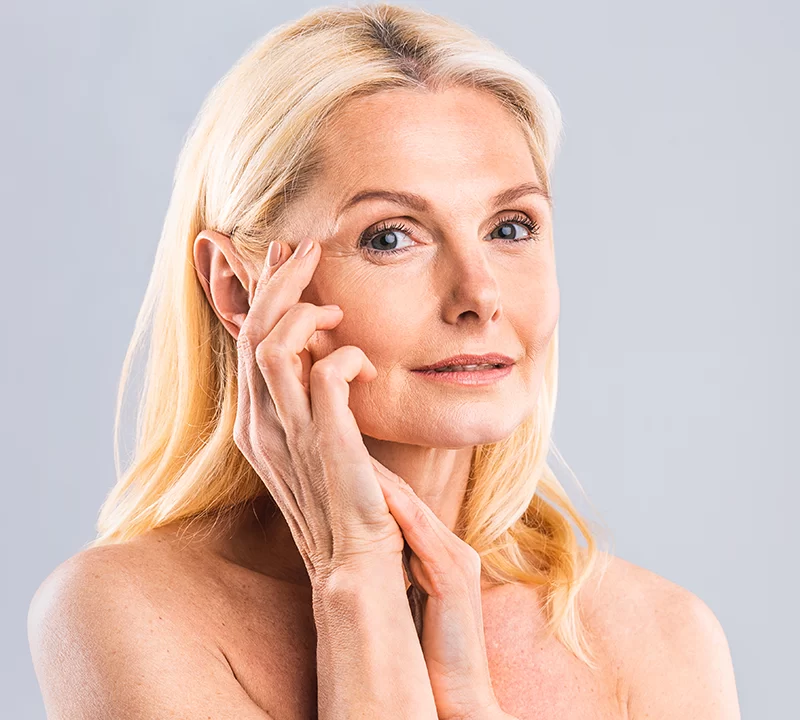
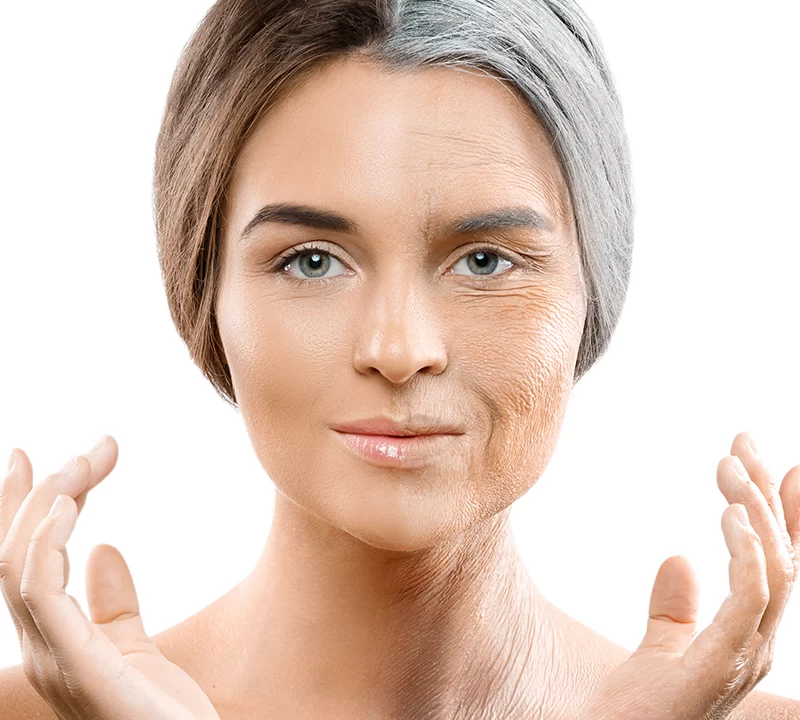
Turning 30 is an overwhelming period of life where people notice many changes in their lives. One major change is skin aging. You may notice wrinkles and fine lines on your skin, which are two indicators of skin aging. So, many people think that beginning your anti-aging skin routine and treatment at 30 would not make any difference. To their assurance, first of all, skin is a living organ with a constant regeneration capability and improvement at any age.

So if you are concerned about a sustainable approach for maintaining skin health in your 30s and beyond, then visit AAYNA Clinic and book an appointment with Dr Simal Soin, one of the best dermatologist in Delhi. She holds enhanced expertise in anti-aging therapies on various skin types, including Asian, Hispanic, African, Caucasian, and Oriental.

Understanding the aging process

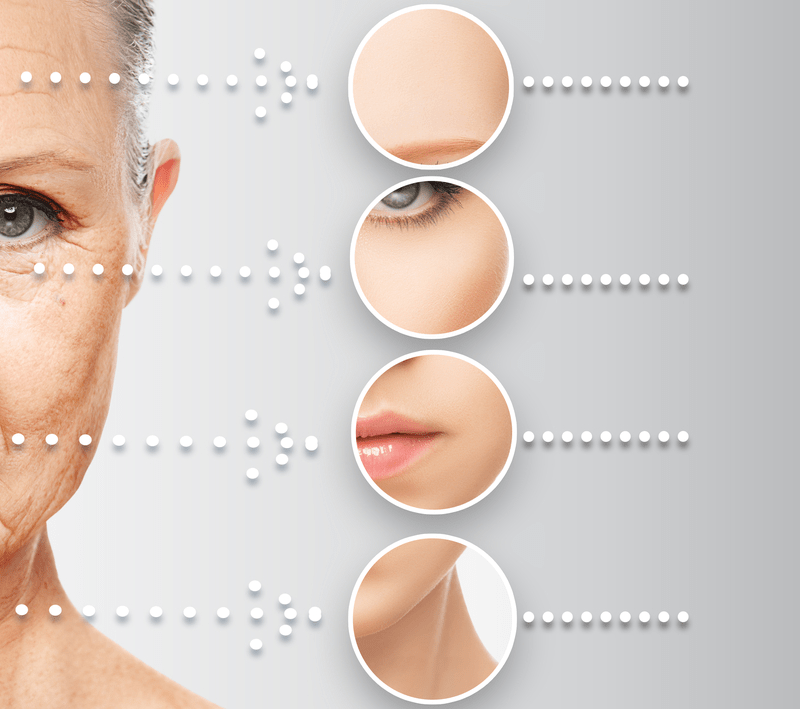
With age, skin variation comes naturally, which incrementally affects our demeanor and resilience. Since the mid-20s, collagen proportion in the skin starts to decrease, leading to the absence of firmness and plumpness in our skin. Therefore, we see minute fine lines, wrinkles, and loss of skin tightness over a long period of time. When you hit your 30s, your skin cell growth also slows down, resulting in a heap of dead cells clogging the pores. Due to this process, you will often experience acne, pimples, blackheads, and dullness, making your skin age. There are external stress factors like extreme sun exposure and pollution, along with genetic conditions, and lifestyle modifications are also considered.

Despite these changes in your skin, there is a myth that it is too late to start your skin care. Unlike this concept, skin is a dynamic, continuous regeneration organ, meaning the positive habits and treatments can make a notable difference at any age. Further, adaptation of preventive strategies, like using sunscreen and applying antioxidant-based products, can protect you from future damage. The application of corrective remedies, such as retinoids or professional treatments, can help to repair your existing skin concerns, and both of these strategies are essential to keep your skin.

Why is 30 actually the right time to start an anti-aging routine?

The reason that 30s are no longer considered too late, rather the right time to start your skincare routine, is that your matured skin is ready to bear with treatments and anti-aging products that people from adolescence or even mid-20s are unable to continue. Therefore, in your 30s, when you start applying anti-aging products that increase collagen production, it provides a proper skin texture and tone. With a long-term consistency anti-aging skincare routine in your 30s is ideal for your life ahead.

Adapting the Anti-aging mechanism in your 30s

If you are in your 30s, it is high time you proactively follow a flexible and effective anti-aging skin care routine. This includes awareness that excessive sun exposure can hurt your skin as it breaks down collagen in your skin, the primary potent of anti-aging skin agenda. Therefore, apply high SPF sunscreen always when you are going outside. Further, prominent anti-aging strategies focus on skin protection and cell growth. Therefore, lifestyle modifications, including anti-aging products in your daily routine and proper sun protection, should be in your skin care routine.

Using anti-aging products

The incorporation of specific skin care products significantly fights against anti-aging signs. Vitamin C and antioxidants help in skin tightening and collagen production. These ingredients should be present in all anti-aging products you have identified to purchase.

In addition to this, retinoids and hyaluronic acid should also be there as they help in cell development, followed by hydrating skin and making it plump. Niacinamide is another chemical agent that skin experts recommend in anti-aging products, as it helps skin tighten and also eliminates inflammatory agents in the skin. Our founder, Dr Simal Soin advises using the mentioned anti-aging cosmetic products for minimal pain and discomfort.

Adopting nutritional choices

You need to revamp your diet by including antioxidants, like those found in berries, as they neutralize free radicals on your face, healthy fat-based fruits and vegetables, like green leafy vegetables, watermelon, berries, and cucumbers. Salmon is a good source of omega-3 fatty acids and helps keep your skin from getting inflamed. All are rooted in anti-aging properties. Furthermore, dermatologists at AAYNA Clinic will guide you through a proper anti-aging skin-promoting nutritional diet.

Avoiding smoking and alcohol

Avoiding smoking and alcohol is one of the essential lifestyle choices that you should make, as the acceleration of these two habits leads to faster skin aging. Smoking reduces blood flow to the skin, which leads to dullness and wrinkles, whereas alcohol leads to skin dehydration and depletes essential nutrients.

Common anti-aging mistakes made in the 30s

Many individuals make mistakes in their anti-aging skin routine in their 30s, and most of them are the debutants of the skin care regimen, as they may have been acquainted with makeup earlier, but not skincare. The most common mistake is to avoid applying sunscreen on cloudy or rainy days. Being unaware of harmful UV rays during these days has convinced people not to apply sunscreen, leading to sunburn and pigmentation, and neglecting the application of sunscreen, especially on cloudy days.

Another common misstep is using multiple skin care products for added benefits. It is absolutely the wrong idea. If you apply anti-aging products based on the fancy marketing-labeled ingredients without consulting a dermatologist, then it can adversely affect your skin.

On the contrary, some people always endure a minimal skin care routine, believing natural remedies single-handedly prevent aging by avoiding scientific backup treatments, such as antioxidant-based moisturizers, which can actively repair and protect the skin.

So neither use multiple product-based regimen nor follow a minimalist skincare routine, rather go for a balanced approach that is advised by dermatologists where concentration of each ingredient is specified and suitable for your skin. Therefore, for this dermatological advice and queries, visit the AAYNA clinic, where our skin specialists will guide you through this skincare routine journey.

We often interconnect lifestyle choices with your internal functionalities, considering the fact that they also affect your skin condition. If you smoke and consume alcohol regularly, and do not get adequate sleep, it will adversely affect your skin, leading to fast aging. These lifestyle habits also restrict collagen production.

Despite maintaining a good skincare routine, these lifestyle choices will degrade your skin condition. Besides these, addictive activities in your daily routine, and skin care inconsistency play a major role in your slowly acquired aging skin. Skincare is not something you will do once and it’s over. You ended up doing it regularly and efficiently. Therefore, cleansing, applying serums, and moisturizers are mandatory.

Expert-recommended anti-aging skincare routine

You are on a busy schedule in your 30s, unable to make room for a heavy anti-aging skincare routine. So we are penning down some dermatologically recommended anti-aging skincare routines that are easy to follow for your whole life. Considering morning and night to be the “only hours for myself” in your 24-hour schedule, we have narrowed down shortly and strategically.

Morning Routine

First, use a sulfate-free mild cleanser on your face to remove impurities without stripping natural oil, which will help in maintaining the skin barrier for active ingredients to work upon. After cleansing, apply an antioxidant serum that is either Vitamin C on the face, which will protect your skin from any kind of rashes, blemishes, and UV exposure. To back the serum, apply any moisturizer that is lightweight with the hydrating formula of ceramides, followed by SPF 30 or high-range sunscreen.

Night Routine

It is identical to the morning skin care routine that starts off with cleanser, washing off your makeup, sunscreen, and pollutants that your skin gathers all day. Then, retinol-based anti-aging skin products need to be applied 2 to 3 times a week, then increase slowly because it helps in boosting cell turnover and stimulates collagen production, reducing the fine lines.

After that, apply a hydrating serum that has peptides, hyaluronic acid, and niacinamide because it replenishes moisture, calming skin after retinol application. Lastly, apply a night cream that helps in restoring firmness and smoothness all over the night.

In some cases, additional treatments and therapies are required besides the skin care routine. If you visit AAYNA Clinic, our experienced cosmetic dermatologists will provide an individually designed anti-aging treatment suiting your skin needs, even if you are in your 30s.

HydraFacials help in cleansing, exfoliating, and extracting impurities from the skin and hydrate it to improve radiance and smoothness. For skin surfacing pigmentation removal, we apply laser treatment to lift saggy skin. We perform a thread lift non-invasive procedure as well.

Conclusion

It needs to be concluded that 30 is too late for starting your anti-aging skin care is a myth, not a reality. Skin is a living organ that goes through continuous revitalisation, which means it grows and adapts to multiple activities. One such thing is the anti-aging mechanism.

With age, when you maintain a proper skin care routine by following a healthy lifestyle, like a proper nutritionally balanced diet, avoiding smoking and alcohol, protecting your skin whenever you go out in the sun by applying dermatologically recommended sunscreen and other anti-aging products, it will help in preserving a radiant appearance.

However, for dermatological advice to replenish your skin, visit AAYNA clinic where Dr Simal Soin recommends various treatments and therapies and a customized care treatment plan so that you can rejuvenate your skin. There are multiple treatments available at our clinic to give you a flawless youthful skin.

Is Botox A Good Anti-Aging Option?

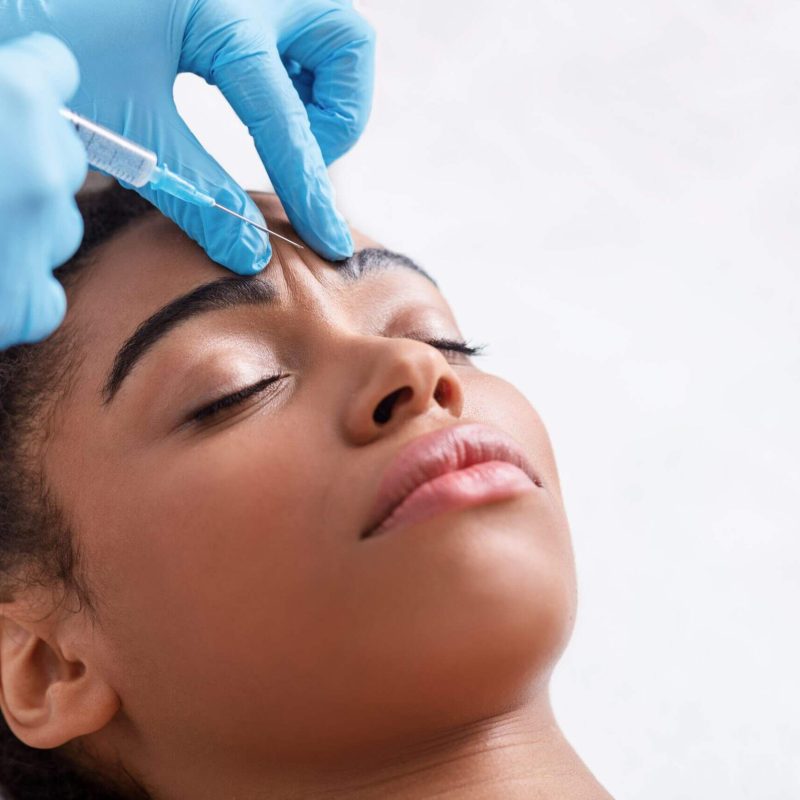
Changes associated with aging occur in the skin naturally, and they may be seen as wrinkles and fine lines, as well as sagging. Although a considerable number of remedies can be used to cure these manifestations, Botox turned out to be one of the most reliable anti-aging treatment across the globe. It functions by relaxing specific muscles, making the skin look smoother and younger.

At AAYNA Clinic, Botox application by a highly qualified specialist Dr Simal Soin is carried out with the highest level of accuracy and craftsmanship, which provides a natural appearance. As medical aesthetics have developed, Botox has ceased to be merely wrinkly-look-nothing-to-be-grateful, and now it is a prevention and a way of looking fresh and young even as time passes.

Understanding Botox as an Anti-Aging Treatment

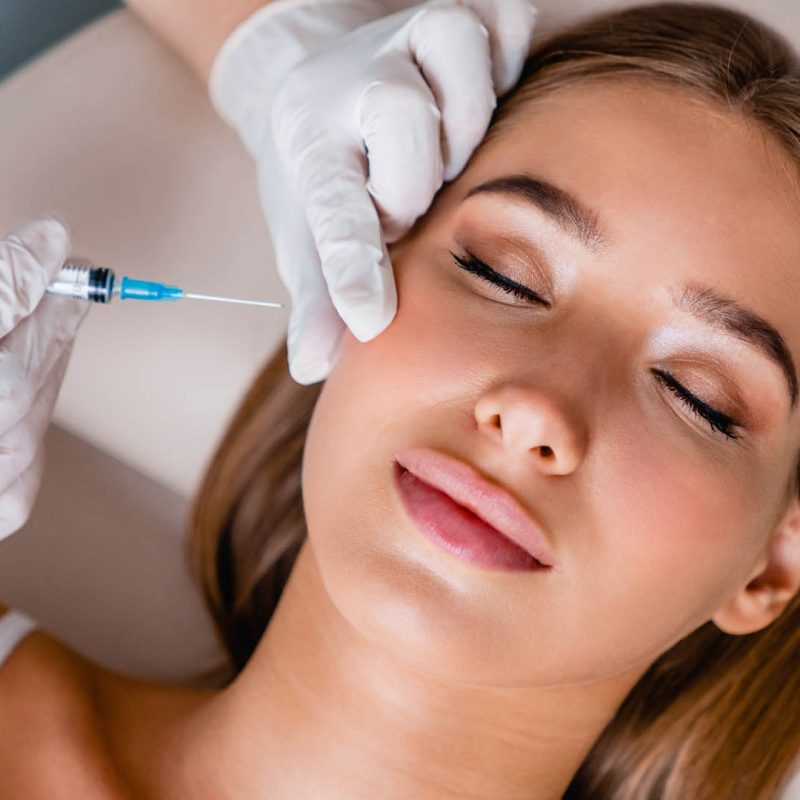
An example of one of these is Botox which is a protein that is purified by using the bacterium Clostridium botulinum. In aesthetics, Botox is applied in small and controlled doses to relax spasmodic muscles temporarily in the medical field. This minimises the emergence of dynamic wrinkles which are lines created as a result of repetitive facial expressions like smiling, frowning, or squinting.

Botox science is not complicated but efficient. Blocking the nerve impulses that cause contraction of muscles, Botox relaxes the existing wrinkles and inhibits the formation of new ones. This is a dual effect and thus, it is one of the most versatile anti-ageing treatments available today. It is also non-invasive, does not need much time, and it may be done within several minutes in contrast to surgery.

Most of the parts treated using Botox include: forehead, crow’s feet (around the eyes), and frown lines between the brows. Nevertheless, its anti-ageing effect is not limited to these spots. It has the power to lift falling eyebrows, work on the face structure and even tighten the bands on the neck.

At AAYNA Clinic, Botox is practised and focused on safety, customisation and artistry. Each treatment is specific to the face of the patient, the quality of his or her skin, and the expected outcomes. This makes sure that the result does not lead to the creation of a frozen appearance of natural beauty. In the hands of a skilled dermatologist at our clinic, Botox will be more than a wrinkle fix-it surgery; it will be an anti-ageing agent that will help you feel confident and age with grace.

Key Benefits of Botox for Anti-Aging

Here we emphasise the specific way Botox helps reduce wrinkles, look younger, and avoid the development of new lines to preserve youthful skin.

  • Reduces Forehead Wrinkles

Aging occurs first on the forehead lines. These lines are horizontal and Botox smooths the lines by temporarily paralysing the muscles, which provides an appearance of a more youthful look and freshness on the upper face.

  • Softens Crow’s Feet

Crow’s feet, or the gilded strokes, which shoot out on the corners of the eyes, are a result of smiling and squinting. These creases can be softened gently with Botox which restores the brightness of the eyes.

  • Lifts Eyebrows Naturally

Eyebrows can also be dropped with time caused by strained muscles. One can use Botox to softly elevate the eyebrows and produce a more open and alert look without surgery.

  • Smooths Frown Lines

Lines between brows commonly referred to as 11s, are formed by frequent frowning. The appearance of stress and tension is minimised by Botox which removes these lines.

  • Prevents Wrinkle Formation

In addition to its ability to treat the available wrinkles, Botox is also prevention-based. It reduces the process of lines by preventing the repetition of muscle contractions, so it is a preventive anti-ageing option.

These advantages are further augmented at our Clinic, whereby natural expressions are maintained using customised injection techniques. Our specialists make sure that the results are not overdone, but rather balanced and subtle.

Who is an Ideal Candidate for Botox?

Botox can be used with adults who want to minimize or avoid the appearance of aging. The most suitable ones are those who observe premature wrinkles, creases or sagginess particularly on the forehead, eyes, and brows. Dynamic wrinkles, which are wrinkles formed by the repeated movements of muscles, can be extremely helpful to people.

It is also a very good preventive therapy with the younger adults in their late 20s or 30s. Preventive Botox retards wrinkle formation by treating the microscopic movement of the muscles before lines become fixed.

Nevertheless, Botox does not apply to all. Mothers with breasts or pregnant women should not take it. People who have some neuromuscular conditions or allergies can also be discouraged. In a visit to AAYNA Clinic, many processes are undertaken to ascertain the eligibility, and safety through review of the medical history.

The best candidates too are realistic. Botox makes natural improvements but does not prevent the ageing process entirely. Results need to be maintained through regular maintenance.

With the professional care of our doctors, the patients are provided with individual advice on the suitability of Botox. Through a specific treatment and careful evaluation, our clinic can assist people in obtaining smoother and younger-looking skin without sacrificing safety and expressiveness.

Common Areas Botox Targets for Anti-Ageing

In this part, we have explained the most effective areas of Botox use on the face and neck by demonstrating how it increases natural beauty through the help of accurate treatment.

  • Horizontal Brow Lines/Forehead

The deep forehead wrinkles that appear when the eyebrows are raised repeatedly are minimised by using Botox and this restores the upper face to a smooth appearance. It makes patients appear more relaxed and calm, even expressive.

  • Laughter Lines Around Eyes

Also known as crows’ feet, fine wrinkles at the corners of the eyes are made soft by Botox which also makes the eyes have a brighter and more youthful appearance. The treatment provides a revitalising effect without interfering with the natural smile.

  • Glabellar Furrows

These lines are Botox-induced vertical lines between the eyebrows that ensure that one does not always appear like he or she is frowning. This makes the harsh expressions softer and the face is made to look welcoming and re-energised.

  • Bunny Lines

Minimised wrinkles that occur over the bridge of the nose when scrunching can be reduced with Botox injections that are done with the highest accuracy. What is obtained is a smooth skin that retains expressions non-forceful but natural.

  • Neck Bands

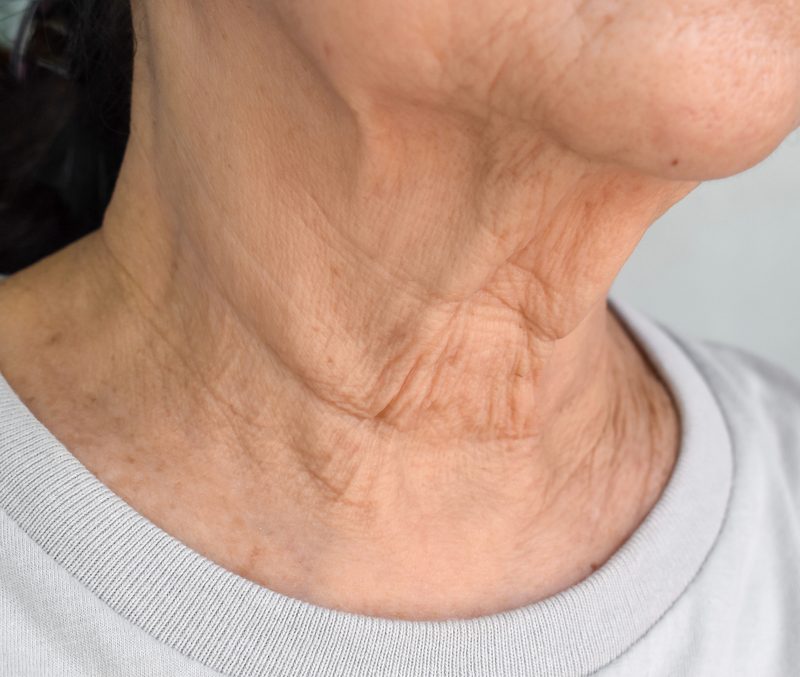
By relaxing vertical bands on the neck, Botox helps give neck contour, as well as a smoother, more youthful neckline. It produces a smooth jawline profile that elevates facial procedures.

These surgeries are done at our clinic with accuracy to increase facial harmony. All the injections are well-calculated to show the beauty of nature, not to cover it.

Comparing Botox with Other Anti-Ageing Options

Here, we compare Botox to such options as fillers, lasers, and skincare to learn their particular advantages and ways to use them to complement each other.

  • Botox vs. Dermal Fillers

Botox will be used to relax the muscles so that dynamic wrinkles can be reduced and fillers will be used to add back the lost volume and plump the skin in the static wrinkle. The two are often combined to have the overall anti-aging effects.

  • Botox vs. Laser Skin Treatments

In laser treatments, the skin is resurfaced, enhancing the skin texture, pigment and collagen synthesis. Botox, however, operates under the skin to relax the muscles. With each other, they each deal with surface and structural aging.

  • Botox vs. Chemical Peels & Facials

Chemical peels and high-end facials peel the skin, brighten the skin and enhance its tone. Whereas they revive the skin surface, Botox is applied to wrinkles that are associated with muscle movement.

  • Botox vs. Skincare & Anti-Ageing Creams

Topical creams maintain hydration, repair and offer protection yet they cannot decrease the dynamic wrinkles significantly. Deep lines give quicker and better effects with Botox.

Combining Botox with Other Treatments

To most people, Botox works best when used in conjunction with some other treatment techniques like fillers, lasers, or medical facials. At AAYNA Clinic, our specialists tend to create anti-ageing programs that are personalized and a combination of Botox with other treatments to make the most out of natural and long-term results.

This adaptability has rendered Botox a more pertinent constituent of the contemporary anti-ageing remedies, particularly when administered professionally.

How Long Do Botox Results Last & Maintenance Tips

The effects of Botox usually take 3 to 7 days and the effect lasts 3 to 4 months. The effects can be experienced by some individuals for a span of 6 months depending on the metabolism, region of treatment, and lifestyle.

Follow-up sessions should be conducted regularly to ensure youthful results. With repeated treatments, there is training of muscles to contract less intensely, which may prolong the effects.

The patient should never expose themselves to the sun too much, adopt good skin care practices, and keep hydrated. The outcomes are also improved by healthy lifestyle behaviours, such as the absence of smoking and stress management.

Patients at AAYNA Clinic are provided with comprehensive care guidelines and individual treatment plans. An electropermanent experience with the skill of our specialist, maintenance of Botox will be smooth, safe, and enjoyable.

Conclusion

Botox has proven to be a safe, effective, and widely trusted anti-ageing option. It smooths wrinkles, prevents new lines, and enhances natural beauty without surgery. At AAYNA Clinic, under the care of Dr Simal Soin, Botox treatments are tailored to achieve natural results that inspire confidence.

What Is The Strongest Anti-Aging Product?

In today’s age, the endeavour of youthful and radiant skin has made anti-aging products one of the most highly desirable skin care products. In the vast array of serums, moisturizers, creams, and treatments, many people are in a state of confusion about which product is best for slowing the aging process to some extent. One thing that needs to be clear is that anti-aging goes beyond marketing claims on packaged products.

Skin aging is an unavoidable process that people experience prematurely because of irregularities in their lives. These include going outside without applying sunscreen, making derogatory lifestyle choices, and living in a polluted area. It affects skin conditions with fine lines on faces, small pigments, dark spots, and wrinkles as well.

For people who are looking for advanced personalized care and expert guidance, you can visit the AAYNA clinic. Here, Dr Simal Soin recommends the best anti-aging treatment that are designed for your particular skin type and will help restore a beautiful complexion.

Understanding the anti-aging process

The anti-aging process focuses on diminishing the aging properties of your skin. This means that the skin care regimen focuses solely on removing wrinkles, fine lines, pigments, and dark spots, the combined representation of aging skin. You can start your skin care regimen either before you experience these issues or want to get rid of these problems for a smooth and youthful complexion.

It is an inevitable biological process that reduces visible signs of aging through proper skin care. If you want to get into an anti-aging skin regimen, then visit AAYNA Clinic and consult with Dr. Simal Soin, one of the best dermatologists in Delhi who has been helping people with non-invasive and non-surgical treatments.

Strong anti-aging products: Key ingredients

Anti-aging products are the best skin care products that people at a certain age usually start applying instead of directly intervening in non-invasive therapies and medication. Strong anti-aging products contain collagen, retinol, niacinamide, hyaluronic acids, and peptides.

  • Retinols

It is considered one of the best anti-aging ingredients because it works on a deeper level, rather than just on the surface, and plays an important role in cell growth. This helps boost collagen, improve skin texture through fibroblast stimulation, and enhance blood vessel function. If you can see fine lines on your skin surface, look for retinols that come from vitamin A in your anti-aging product, which makes your skin smoother. This would keep your fine lines and wrinkles away.

  • Vitamin C

Vitamin C helps in producing collagen, which increases skin elasticity by reducing sagging. It is widely used in sunscreen because it is also a natural ingredient that protects our skin against extreme damage done by UV rays and pollution. The melanin content of Vitamin C has the credibility to minimise high levels of pigmentation in our skin. It is also responsible for skin brightening and reducing spots, which contributes to a radiant look.

  • Niacinamide

Niacinamide, also called nicotinamide, is a form of vitamin B3 that plays a vital role in minimizing skin inflammation due to sunburn, improving skin elasticity. Both of these are anti-aging factors. It helps in widening the space between keratin molecules, which is responsible for skin elasticity.

Research has also suggested that it helps in maintaining the ceramide or lipid barrier of the skin. This barrier helps to lock the moisture within the skin, which is highly important because, with age, the skin gets dry. This potent anti-aging ingredient helps with acne, wrinkles, and fine lines management.

  • Hyaluronic acid

Hyaluronic acid is a potential anti-aging ingredient that helps in saturating and hydrating skin, resulting in a super spongy texture. It has been known that this acid has an extraordinary capability to hold moisture, like one gram of hyaluronic acid can retain up to 6 litres of water. It is also categorised as a human tend moisturizer because it draws moisture from them to the epidermis level.

This intense hydration mechanism not only makes skin smoother and plumper, but it also improves the skin’s moisture barrier, preventing water loss that leads to dryness, as commonly observed in aging individuals. Another common and yet additional benefit of the ingredient is that it helps in removing fine lines and wrinkles by filling in between the less-than-fibrous fibres and collagen.

  • Peptides

A peptide tightens loose skin, a common problem with aging skin. These are a group of amino acids responsible for making collagen. The peptide content in our moisturizer helps the skin to have a youthful complexion.

There are multiple types of peptides available in anti-aging skin products with separate benefits. Signal peptide helps in stimulating collagen and elastin, carrier peptides provide effective trace elements to the skin, and enzyme inhibitor peptides help in slowing down the breakage of the collagen in your skin because of extreme skin exposure to the sun.

Factors to choose the best anti-aging products

Opting for the correct anti-aging product is not about only looking for the highest content of retinol or any eye-catching marketing claims. The most efficient products that are suitable for anti-aging are based on your skin type, considering factors in your skin, which are formulated for real outcomes.

Knowing the anti-aging ingredients in your skincare products would not be enough if you are not aware of which ingredients are suitable for you and which may have consequences on your skin. Some of these factors are listed here.

For a detailed approach without risking your skin health, visit AAYNA dermatological clinic, where our skin experts will guide you to a proper skincare routine and products with each ingredient concentration, so that it will help you not to trust in flashy marketing claims.

  • Skin type compatibility

For dry skin, ceramide and hyaluronic acid-based antigen products should be applied because they help in controlling moisture on your skin. For oily or acne-prone skin, you need to use niacinamide and retinol-based serums and gels.

If you have combination skin, then apply cream on your dry areas and light serum on oily zones. If you have mature skin, then peptides, retinoids, and antioxidant-based products would be ideal for sensitive skin. Aloe vera, camomile extract, soothing ingredient-based moisturizer creams, and gels would be effective for inflamed skin.

  • Sun protection factor

An extreme level of sun exposure is a prominent factor in premature skin aging. The harmful UV rays destroy collagen and elastin fibres. This results in the formation of wrinkles, loss of skin firmness, and fine lines. Therefore, it is highly advisable to apply. For regular use, apply SPF 50+ sunscreen for proper outcomes.

  • Dermatologist recommended

When it comes to choosing the strongest anti-aging products then a dermatologist’s guidance makes the necessary difference. Dermatologists are not cosmetic product owners who will flash some marketing claims without examining your skin. With their clinical expertise, cosmetic dermatologists will analyse individual skin biology, its aging process, and individual skin allergies, and provide an interactive analogy of different skin aging ingredients.

For this, you have to visit our AAYNA clinic, where our skin specialists will develop an individually guided selection of adequate anti-aging skin care products. Our dermatologists will prescribe products that are unlikely to cause irritation or any adverse reactions.

They would ensure that proper layering of active agents in these anti-aging skin care products is there for benefit, will help to track outcome, and has multi-functional benefits that would adjust your skin routine, and also if your skin changes over time.

  • Environmental Pressure Points

Exposure to the sun is a universal factor that applies to all people. Pollution, climate, and blue light from digital devices are also considered environmental pressure points. Use antioxidants with Vitamin E, C, and green tea content, and it can neutralize these negative impacts and restore your original glow.

Even a cold, dry climate is responsible for skin dehydration, resulting in fine lines and wrinkles; on the contrary, a hot tropical climate is responsible for clogged pores leading to breakouts and uneven skin tone. To approach the situation, you have to use lightweight serums in topical humid weather and rich, hydrating moisturizer in dry weather to maintain balance.

In today’s digital age, most individuals are exposed to digital devices like tablets, mobile phones, and laptops, so even for this, you have to apply high-range SPF sunscreen rich with antioxidants and HEV light filters.

Conclusion

Multiple scientifically evidence-based ingredient-based anti-aging products are effective in protecting your skin from the occurrence of saggy skin, clogged pores, pigmentation, and wrinkles. High-rated sunscreen is a mandatory activity that you should perform when you are going outdoors and staying indoors. The reason dermatologists highly recommend applying sunscreen even when outdoors is that when we spend most of our day working in front of digital devices, they emit UV rays that are harmful to our skin.

Consult a dermatologist to optimize the best anti-aging product based on your skin compatibility, environmental pressure points, and lifestyle measures. For this visit, AAYNA clinic, where our cosmetic dermatologist and founder, Dr Simal Soin, recommends the strongest anti-aging treatment after evaluating your skin.

What Are The New Anti-Aging Treatments For 2025?

The anti-aging sector is experiencing the year 2025 as a revolution in the field. Science, technology, and dermatology are changing in unison, which is why nowadays the treatments are much more than the classical facials or simple injectables. Since the days of peptides and AI-guided systems, the modern choices are less dangerous and inaccurate and are also very productive. The patients no longer have to decide between such invasive surgery and some simple creams, as the range of solutions is broad.

At AAYNA Clinic, as supervised by the world-famous cosmetic dermatologist, Dr Simal Soin, patients are exposed to high-level treatments that help them to rejuvenate, restore, and have youthful skin with a natural appearance.

Emerging Technologies Reshaping Anti-Aging in 2025

The breakthrough technologies of science, innovation, and dermatology are redefining the concept of anti-aging in 2025. These are new techniques that extend past the old-fashioned ways, which provide more accuracy, safety, and a realistic appearance. The following are the main technologies that are driving this change:

  • Next-Gen Peptide & Growth Factor Therapies

In 2025, peptides will have developed high-performance and medical-grade treatments, although this is not new to the skincare market. These minute protein molecules inform the skin to increase collagen, elastin and hydration. Bio-engineered cells also produce growth factors that further increase the speed of the healing process and thus are suitable for fine lines, dullness and age-related skin thinness.

Such new peptide complexes are deeper penetrating and faster giving results compared to the older serums. They are now being applied separately as well as integrated with energy devices to have better repair. Patients recover quickly and have brighter skin when using regular skincare methods.

  • Advanced Energy Devices (e.g., RF + Ultrasound Hybrids)

Radiofrequency (RF) and ultrasound were formerly different technologies. Today, hybrid machines are used which provide controlled heat delivery on several layers of the skin. Not only tightening and lifting but also provoking long-term collagen synthesis, this dual action takes place.

There is visible skin firming in patients with little downtime. They are the hybrid types of device replacing surgical facelifts, particularly among the 30-50-year-olds. They are also multi-purpose, and they work well on such areas as the jawline, neck, and decolletage. They provide long-term results and are the most natural, hence a great option for non-surgical rejuvenation.

  • Fractional Plasma & Nano-Plasma Devices

Plasma energy has also become an important device in skin renewal and tightening. Wrinkles, pigmentation, and laxity are the concerns treated with fractional and nano-plasma devices that produce micro-injuries leading to regeneration. Plasma, as compared to the older lasers, is more precise, has reduced downtime and may be used in areas that are delicate such as the eyelids.

Plasma is an option the patient prefers in 2025 with the desire of having rejuvenation without aggressive surgery. These devices also work well with patients having acne scars and uneven tone. With time, regular treatments enhance the skin texture and skin elasticity.

  • AI-Guided Facial Mapping & Injection Systems

Cosmetic dermatology is revolutionised by artificial intelligence. The AI systems have progressed to scan the facial structure in real-time to assist dermatologists in understanding where to inject Botox or fillers to achieve a more natural appearance.

These instruments guarantee symmetry and prevent overcorrection as well as enhance safety. The human-technologist skillfulness combined with AI accuracy is redefining the injectable procedures by providing predictable and customised outcomes. This eliminates risks and brings about a balance of facial features. Based on the case, AI assistance assists dermatologists in saving time and offering patients predictable and satisfying results in 2025.

  • Bio-Engineered Skin “Patches” & Smart Topicals

Think of skincare that helps to change during the day according to the needs of your skin. Smart topicals and bio-engineered patches apply the micro-reservoir technology in releasing peptides, antioxidants, and vitamins slowly. Others will even trace hydration or UV exposure and react to it accordingly.

These smart solutions are filling the divide between clinic-based procedures and home care in 2025 to provide patients with greater control in their anti-aging practices. They are convenient to operate, painless and provide the same clinical level results back at home. These innovations enable the patients to have healthier and younger-looking skin between treatments with professionals.

Combination & Personalised Protocols

In 2025, anti-aging treatment is not about taking a one-size-fits-all solution. Preferred outcomes are in the integration of the therapies and adapting them to individual skin issues, lifestyle, and age. Individualised routines guarantee that patients get natural and moderate outcomes without appearing overworked.

As an illustration, dermatologists might prescribe the use of Botox and dermal fillers to treat both dynamic wrinkles and volume loss. When energy-based devices such as RF or ultrasound are used in elevating collagen-raising serums or peptides, the skin tightening is better and prolongs the long-term elasticity. Likewise, topical growth factors may be applied following the plasma resurfacing procedure to accelerate healing and enhance the skin’s radiance.

Personalisation is also the adaptation of the intensity of treatment. It might be possible that someone in their 30s can do with preventive Botox and skin boosters only, but patients in their 50s could have several treatments including Ultherapy, fillers, and plasma sessions. Dermatologists rely on high-level analyses of the skin with or without the aid of AI-based systems to determine the appropriate protocol.

The next trend in 2025 is also to stack treatments, i.e. apply both modalities at the same session or in a premeditated sequence to achieve faster and comprehensive rejuvenation. This minimises the time lost and maximises the outcome.

Finally, a combination and personalized approach would mean that patients will not only look younger but also healthier, and treatments will be made based on the goals and the skin biology of patients.

Advanced Anti-Aging Treatments at AAYNA Clinic

Innovation at AAYNA Clinic is coupled with artistry and results in preserving natural beauty. The following are some of the advanced anti-aging solutions that are provided at our clinic in 2025:

Thermage involves the stimulation of collagen formation within the skin by using radio frequency. It tightens the loose skin, can be used to shape, as well as to lessen the appearance of fine lines all within a session. Outcomes emerge in the long term, which can take a period of one year.

It is an FDA-cleared ultrasound therapy that reaches deeper skin layers lifting the face, neck and decolletage. Ultherapy is perfect when a patient wants to have a natural lift and no downtime.

HydraFacial is a favourite for the instant glow because it is a combination of cleansing, exfoliation, hydration, and infusion of antioxidants. It enhances tone, elasticity and texture and is therefore a very good choice preceding events or as a routine maintenance treatment.

Fraxel laser rejuvenates the skin by attacking pigmentation, fine lines, and scars with the precision of a microscope. ClearLift is an example of a non-ablative laser, which is safe even in such sensitive parts of the skin since it causes no downtime and is a rejuvenating agent.

  • Dermal Fillers & Exilis Elite

Dermal fillers increase volume that has been lost in parts of the body such as cheeks, lips, softening wrinkles, and improving the structure of the face. Instead, Exilis Elite is a radiofrequency device that is applied to sculpt the face or body and tighten the skin, and provides a noticeable change in texture and tightness.

Combined with the treatments, they guarantee a holistic, customised anti-ageing experience. The patients of our clinic not only get technology but also the experience and the beauty vision of a global dermatologist.

How to Choose the Right Anti-Aging Treatment in 2025

The main problem is selecting the appropriate treatment, as nowadays there are numerous new ones available. The initial one is to know what you are not happy about, whether it is the sagging, the lines and wrinkles or the tones being uneven or losing their volume. It is important to visit a good dermatologist, who can check your skin type, age and lifestyle after which he or she may suggest the most effective method.

There are the costs and downtime to consider as well. Others, such as Thermage or Ultherapy, have longer-lasting results; however, they are more planning-intensive, whereas some, such as HydraFacial, are quicker and maintenance-based.

Patients are also expected to consider long-term objectives. Early preventive therapies can delay the observable ageing, and remedial treatments might be more appropriate for mature skin.

The patients of AAYNA Clinic enjoy the opportunity to have their own consultations with our specialist, who pays a lot of attention to the development of the treatment plans with both short-term and long-term outcomes. This is a safe, effective and natural outcome, which corresponds to individual objectives.

Conclusion

Technology, personalisation and expertise characterise anti-aging in 2025. Whether it is peptides and AI tools or various high-tech treatments at AAYNA Clinic, everything is about safe, natural, and permanent outcomes. Through the direction of Dr Simal Soin, the patients will be able to accept graceful aging and innovative care based on their needs.

At What Age Is Acne the Worst?

Touted as the most common skin issue globally, acne or Acne vulgaris, is often dismissed as a temporary, rites-of-passage annoyance reserved for teenagers. But, millions of people across the world are often left wondering about the condition, its onset and treatments.

The question, “What age is acne the worst?” is not a simple one, nor is it purely chronological. While science points to distinct peak periods, the answer truly depends on the severity, persistence, and resulting physical and psychological impact on the individual.

Dealing with acne breakouts and wondering what fuelled it and when you will be rid of it for food? Well, this AAYNA Clinic guide will walk you through all the details.

Why Does Acne Happens?

Before we get into understanding more about age-specific acne patterns, we first need to decode why it happens.

The basic medical explanation is that acne happens when the hair follicles on your skin get clogged with excess oil or sebum, dead skin cells and bacteria. This, in turn, causes inflammation and often infections, causing the acne breakouts.

Some of the leading factors contributing to the onset of acne are:

  • Hormonal fluctuations
  • Genetics
  • Diet and lifestyle
  • Cosmetic or skincare choices
  • Environmental factors

Now that we’ve understood the root causes, let’s break down how acne manifests across different ages, from adolescence to adulthood.

Acne in Pre-Teens (Ages 9–12)

A lot of us have this misconception that acne only happens during the peak teenage years or when you are in your 20s. The truth is that acne can start surprisingly early, even before the teenage years. It is termed as “pre-adolescent” acne and happens between 9-12 years, during a period when the body starts producing more androgens.

Pre-teen acne usually appears as small whiteheads or blackheads on the forehead, nose, and chin (the T-zone). It’s often mild but can progress rapidly if ignored.

As a parent, here’s what you can do to manage such breakouts:

  • Gentle cleansing with a mild, non-comedogenic face wash.
  • Avoiding harsh scrubs or alcohol-based toners.
  • Using oil-free moisturizers and sunscreen daily

If the acne breakouts are excessive during this stage, we recommend consulting our dermatologists at AAYNA Clinic for better guidance and management.

Teenage Acne (Ages 13–19)

This is the period when acne is considered “the worst.” This happens between the ages of 15 and 18 years when the hormonal activity is at its highest and so is the oil production.

Some of the reasons why teenage acne peaks are:

  • The surging hormones, especially testosterone (in both boys and girls), causes the oil glands to enlarge and produce more sebum.
  • The combination of oil, dead cells, and Cutibacterium acnes bacteria further contributes to inflammation and pimples, primarily on the face.
  • Numerous lifestyle triggers like irregular diet, lack of sleep, and heavy cosmetic use also makes teenage acne more persistent on the skin.

Teen acne is more persistent on the forehead, nose, cheeks, jawline and even on the back and shoulders. What’s alarming about teenage acne is that it often takes an emotional toll, impacting the teen’s confidence, social interactions and self-esteem. This explains why the timely treatment and intervention can be life changing.

At AAYNA Clinic, dermatologists take a holistic approach:

  • Customised acne treatment plans using medical-grade topical and oral therapies.
  • HydraFacial and chemical peels to control oil production and unclog pores.
  • Guidance on skincare routines suited for young, sensitive skin.
  • Dietary counseling to reduce acne triggers.

With the right guidance and early care, most teenagers can control acne effectively and prevent long-term scarring.

Acne in the Early 20s (Ages 20–25)

As you get out of your teenage years, the next phase of life, your 20s, also bring acne complications at large. It is true that most people expect acne to disappear after their high school years but for a large number, it doesn’t.

The reasons why acne persists in the early 20s include:

  • Hormonal irregularities, which involve fluctuations caused by menstrual cycles, contraceptive changes, or stress.
  • Lifestyle factors including poor sleep quality, poor nutrition and diet, irregular skincare routines, etc.
  • Excess use of certain cosmetic products like foundation, moisturisers, sunscreens, which clog the pores, further aggravating the acne.

Acne in the early 20s may shift from the T-zone to the lower face, jawline, and neck, which are the prime areas on the face associated with hormonal changes.

At AAYNA Clinic, we specialise in tailored acne management, combining dermatological expertise with advanced aesthetic treatments. What you’d benefit from depends on the consultation and assessment you get with our dermatologists.

Adult Acne (Ages 26–40)

Tagged as the “unexpected return,” this is the phase where you’d least expect to be dealing with acne breakouts but it happens.

There are clinical studies that suggest that up to 40% of adults, particularly women, experience acne well into their 30s and 40s. This condition, known as adult-onset acne, can be especially frustrating. From poor skincare habits to pollution and urban lifestyle, there are numerous triggers at play.

Some of the common patterns of adult acne include:

  • Inflamed cystic acne along the jawline and chin.
  • Deep, painful nodules that heal slowly.
  • Post-inflammatory hyperpigmentation that lingers long after acne clears.

Now, the question is, “How do you manage adult acne?” Adult skin requires a very different approach than teenage skin, which is why the treatment plans are usually personalised accordingly by our dermatologists at AAYNA Clinic.

With personalised guidance, adult acne can be controlled, and skin can regain its natural clarity and radiance.

Acne in the 40s and Beyond

Mature acne is less common but not obsolete. It can occur as persistent acne (continuing from younger years) or late-onset acne (appearing for the first time in the 40s or 50s). So, if you have a history of hormonal acne back when you were young, don’t be surprised if it makes a comeback sometime in the future.

One of the most unique challenges about dealing with mature acne during the 40s and beyond is the skin changes. At this age, the skin becomes thinner, drier, and more sensitive, making acne treatments quite trickier.

Here’s how our team at AAYNA Clinic approaches and treats mature acne:

  • Prescription-grade topical retinoids and anti-inflammatory agents.
  • Gentle chemical peels and non-ablative lasers to rejuvenate skin.
  • Tailored skincare regimens that support collagen health while managing acne.

Our dermatologists also assess underlying health factors, ensuring that treatment is both safe and sustainable for mature skin.

Advanced Acne Treatments at AAYNA Clinic

AAYNA Clinic’s approach to acne management combines clinical dermatology with aesthetic innovation. This means that instead of treating your acne superficially, we focus on getting deeper into the root cause and treating it from there.

Some of our leading acne treatments at AAYNA Clinic include:

If you are dealing with acne scars, besides the above-mentioned treatments, we also offerAAYNA Renew,Fraxel andDerma Pen treatments to minimise the scarring and improve your skin’s texture.

Easy Steps to Prevent Acne Flareups Across All Ages

So, your skin has an affinity towards acne. How do you minimise the breakouts and prevent acne flareups?

While acne is influenced by genetics and hormones, several preventive measures can help minimize its occurrence:

  • Follow a consistent and simple skincare routine as recommended by your dermatologist.
  • Avoid over-cleansing your face because it will strip the natural oils, worsening your acne.
  • Ensure that you are using sunscreen every day because it prevents risks of post-acne pigmentation.
  • Manage your eating habits, lifestyle and even stress.
  • If you have a habit of picking or squeezing your pimples, stop doing that because it increases the risks of scarring.

Our dermatologists at AAYNA Clinic help patients understand what triggers their acne and how to maintain healthy, balanced skin through education and ongoing support.

Acne Has an Age, But Clear Skin Has No Limit!

Acne is often at its worst during the teenage years, but for many, it can persist or reappear later in life. From hormonal shifts to stress and lifestyle factors, the triggers vary but the good news is, acne is highly treatable at any age with the right medical guidance.

Waiting for acne to “go away on its own” is a gamble that too often results in irreversible scarring. At AAYNA Clinic, our commitment is to provide a diagnostic and treatment pathway that respects the complexity of your skin and your life stage.

Book your consultation with AAYNA Clinic today and discover skin that looks as good as it feels.

9 Dermatologist Suggested Treatments for Hyperpigmentation

The pollution in the air, the constant exposure to the UV rays and the ongoing complications of poor lifestyle choices leading to hormonal imbalance, all of these cumulatively impact the skin, causing hyperpigmentation.

On first glance, hyperpigmentation is exactly what the term suggests. It appears as dark spots, patches, or uneven skin tone caused by excess melanin production in the skin. But, the question is, “Are there effective treatments for it?”

Well, 100% yes. To put your mind at ease, this AAYNA Clinic guide will highlight the top 9 dermatologist suggested treatments for hyperpigmentation. For more information consult the best dermatologist in Delhi at AAYNA.

What Contributes to Hyperpigmentation?

Like any medical or cosmetic condition, the first step to achieving the right treatment is to find out what’s behind the complication. What’s contributing to your hyperpigmentation? Is it due to internal or external factors?

When melanocytes, the cells responsible for melanin production, become overactive, they produce an excess of pigment, leading to darker spots or patches. This overactivity can be triggered by various factors, including:

  • Sun exposure
  • Inflammation
  • Hormonal changes
  • Medications
  • Genetics

At AAYNA Clinic, when you consult our dermatologists with hyperpigmentation concerns, our focus is to determine what’s causing the issue first. Depending on the initial diagnosis, a comprehensive treatment plan is then curated for you.

Top Dermatologist Recommended Treatments for Hyperpigmentation

Now that you have a basic understanding of what could be contributing to your hyperpigmentation, let us understand some of the best treatment options available.

  1. Chemical Peels

Starting with, chemical peels are highly effective in treatment hyperpigmentation, especially ones left behind due to acne scarring. The peels use dermatologically approved acids (like glycolic acid, salicylic acid, lactic acid, or TCA) to exfoliate the top layers of the skin, accelerating cell turnover and fading pigmentation.

Over the few days or weeks after the treatment, you will notice that your skin appears more even toned and clearer.

Why dermatologists recommend it:

  • Targets superficial and medium-depth pigmentation (acne scars, sun spots).
  • Stimulates collagen production, improving overall skin texture.
  • Can be customized based on skin type and pigmentation depth.

Sessions required: Typically, 4-6 sessions spaced 3-4 weeks apart.

It is common to experience mild redness or flaking for a few days after the treatment. Ensure that you are protecting your skin from sun exposure.

  1. Laser Toning

Q-Switched lasers target melanin deposits deep within the skin using controlled laser energy. The energy breaks down pigment particles, which are then naturally cleared by the body’s immune system.

Why dermatologists recommend it:

  • Highly effective for stubborn pigmentation like melasma, freckles, and deep sun spots.
  • Non-invasive with minimal downtime.
  • Improves skin radiance and texture along with pigment correction.

Sessions required: 6–8 sessions at 3–4-week intervals for best results.

After the treatment, it is recommended to use broad-spectrum sunscreen and even avoid sun exposure for up to 10 days.

  1. Microdermabrasion

Unlike chemical peels, which exfoliate the skin using acids, microdermabrasion focuses on mechanical exfoliation to remove the dead and pigmented skin layer. This, in turn, breaks down and eliminates the superficial pigmentation and enhances the penetration of the topical lightning agents.

Why dermatologists recommend it:

  • Painless, quick, and requires no downtime.
  • Improves mild hyperpigmentation and overall skin brightness.
  • Safe for all skin types and can be combined with chemical peels.

Sessions required: 4–6 sessions spaced 2–3 weeks apart.

If you have mild pigmentation on the skin, one that’s caused by sun exposure or ageing, then this is a great treatment option for you.

  1. Microneedling with Radiofrequency

This particular cosmetic treatment blends the goodness of microneedling with radiofrequency energy. While the microneedles create micro-injuries in the skin and stimulate collagen production, the RF energy targets the pigmentation and tighten the skin.

Why dermatologists recommend it:

  • Treats both pigmentation and acne scars simultaneously.
  • Safe for deeper skin layers without damaging the surface.
  • Long-lasting improvement in skin tone and texture.

Sessions required: 3-4 sessions with a 4–6-week gap between each.

The treatment does come with a downtime because you might experience redness and swelling around the treated site for 1-2 days.

  1. Topical Depigmenting Agents

If the hyperpigmentation is not as pronounced, topical and medical-grade creams or gels containing hydroquinone, kojic acid, azelaic acid, arbutin, or retinoids are recommended too. These agents inhibit the melanogenesis process, thereby reducing the appearance of the pigmented spots on the skin.

Why dermatologists recommend it:

  • Effective first-line therapy for mild to moderate pigmentation.
  • Can be used in conjunction with procedures for faster results.
  • Customised combinations (like hydroquinone + retinoids + steroids) show rapid improvement.

One of the most important considerations when using these topical treatments is to always use them under the supervision of an experienced dermatologist.

  1. Intense Pulsed Light (IPL) Therapy

Another dermat-recommended treatment for hyperpigmentation is IPL therapy, which uses broad-spectrum light to target pigmentation, redness, and sun damage simultaneously. The light energy breaks down the excess pigmentation, thereby improving the overall skin tone.

Why dermatologists recommend it:

  • Treats diffuse pigmentation and photoaging.
  • Non-invasive, quick, and suitable for face, neck, and hands.
  • Improves vascular redness and texture along with pigmentation.

Sessions required: 3–5 sessions at monthly intervals.

One of the main reasons why it is such a coveted treatment is because of its minimal downtime, enabling you to return to work immediately after.

  1. HydraFacial

HydraFacial is yet another effective hyperpigmentation treatment for mild pigmentation and dull looking skin. The cleansing, exfoliation, extraction, hydration, and infusion of skin-specific serums, not only target the pigmentation but also improve the skin’s overall texture, appearance and glow.

Why dermatologists recommend it:

  • Gentle yet effective for sensitive skin.
  • Provides immediate radiance and hydration along with gradual pigment reduction.
  • Can be combined with other treatments for enhanced results.

You might consider getting a routine HydraFacial treatment every month or every 6 weeks for the best results.

  1. Platelet-Rich Plasma (PRP) with Microneedling

The popularity of PRP for hyperpigmentation is gaining quite the traction. In this, the individual’s own blood plasma is microneedled into the skin to promote healing, reduce pigmentation and improve overall skin texture.

Why dermatologists recommend it:

  • Natural treatment with minimal risk of allergies.
  • Accelerates healing post-acne or post-inflammatory pigmentation.
  • Stimulates collagen production and skin rejuvenation.

Sessions required: 3–4 sessions spaced 4–6 weeks apart.

It is a minimally invasive procedure, so having a thorough discussion with your dermatologist before the treatment is vital.

  1. Oral Antioxidants & Supplements

Last but not the least is relying on the power of adjunct therapy, which uses Vitamin C, Vitamin E, Glutathione, and Polypodium leucotomos. They primarily target oxidative stress, which is a key trigger behind hyperpigmentation.

Why dermatologists recommend it:

  • Supports skin healing and protects against UV-induced damage.
  • Enhances results of topical and procedural treatments.
  • Works from within to maintain even skin tone.

Also, this should not be treated as an “over the counter” kind of situation because overuse of these antioxidants or supplements can contribute to side-effects.

Leading Hyperpigmentation Treatments Available at AAYNA Clinic

As one of the leading cosmetic and dermatology clinics in India, AAYNA Clinic boasts a wide range of treatment options targeted towards reducing hyperpigmentation.

Some of the best treatments available are:

Among these treatments, what kind would be best suited to treat your hyperpigmentation will be determined by our dermatologists at AAYNA Clinic after the initial consultation.

Why Professional Treatment is Essential for Hyperpigmentation?

While numerous OTC creams and DIY remedies claim to treat pigmentation, they rarely work on deeper pigmentation and may even worsen the condition.

Hyperpigmentation often requires a multi-modal approach combining topical treatments, in-clinic procedures, and strict sun protection.

At AAYNA Clinic, every patient undergoes:

  • Detailed skin analysis (to identify type and depth of pigmentation)
  • Customised treatment plans tailored to skin type, lifestyle, and goals
  • Dermatologist supervision to monitor progress and prevent complications

This ensures not just improvement in pigmentation but also target the underlying systemic complications that could be contributing to the condition in the first place.

Say Goodbye to Hyperpigmentation with AAYNA!

Hyperpigmentation can be a frustrating skin concern, but with the right guidance and advanced treatments, clear and even-toned skin is an achievable reality. Dermatologist-suggested treatments offer targeted solutions that go beyond surface-level remedies, addressing the root causes of pigmentation for lasting results.

Looking for targeted and personalised skin solutions that guarantee improvements and results? Our team at AAYNA Clinic is where your search ends.

Schedule your appointment here or visit our nearest clinic to begin your journey to flawless skin.

FAQs

  1. How long do hyperpigmentation treatments take to show results?

This depends on the extent of your hyperpigmentation, the underlying cause and the treatment plan. On average, it might take 4-6 weeks.

  1. Can home remedies or OTC creams remove hyperpigmentation?

Most home remedies temporarily and superficially get rid of the mild pigmentation but they aren’t sustainable for long-term results.

  1. Will the pigmentation return after treatment?

If you are not protecting your skin against sun exposure and hormonal imbalances, there are possibilities of hyperpigmentation returning after treatment. At AAYNA, our maintenance plans help put your worries to the rest.

  1. Can pigmentation be permanently removed?

While treatments can significantly lighten or remove pigmentation, ongoing sun protection and maintenance are crucial to prevent recurrence.

Embracing Pro-Aging: The New Paradigm in Skincare

For decades, the beauty industry has bombarded us with messaging focused on “anti-aging” – products promising to fight, combat, and wage war against the natural process of growing older.

However, a refreshing shift is underway as consumers and brands alike embrace a more positive, holistic approach: pro-aging.  This movement celebrates the journey of aging while supporting skin health at every stage of life.


From Anti-Aging to Pro-Aging

The term “anti-aging” inherently positions getting older as something negative, a problem to be solved or an enemy to be defeated. This messaging has contributed to unrealistic beauty standards and fostered anxiety about natural life transitions.

Pro-aging, in contrast, acknowledges aging as an inevitable and beautiful part of the human experience while focusing on supporting skin health rather than fighting time.

This shift represents more than just semantics – it’s a fundamental change in how we perceive beauty and self-care.

Rather than chasing an eternally youthful appearance, pro-aging encourages us to nurture our skin’s health and resilience at each life stage, appreciating the wisdom and character that comes with time.


The Science of Skin Health Over Time

Our skin naturally changes throughout our lives – cellular turnover slows, collagen and elastin production decreases, and environmental damage accumulates.

Pro-aging approaches these changes with understanding and targeted support rather than resistance. Modern skincare science increasingly focuses on strengthening the skin’s natural functions instead of simply masking signs of aging.

Research shows that supporting processes like barrier function, hydration regulation, and cellular renewal yields more sustainable results than aggressive approaches that can potentially damage skin in the long run.

<


strong>Key Principles of Pro-Aging Skincare

  • Prevention and Protection

Rather than scrambling to reverse damage, pro-aging emphasizes preventing it in the first place. This means religious sun protection, antioxidant-rich products, and lifestyle habits that support overall skin health.

  • Hydration and Barrier Support

Maintaining skin’s moisture balance becomes increasingly important as we age. Pro-aging focuses on ingredients that support the skin’s natural moisture barrier, like ceramides, fatty acids, and humectants that draw water into the skin.

  • Gentle Exfoliation

Instead of harsh treatments that promise immediate results but potentially harm skin integrity, pro-aging favors consistent, gentle exfoliation that respects the skin’s natural renewal process while encouraging cellular turnover.

  • Targeted Treatments

Pro-aging doesn’t mean forgoing effective active ingredients—it means using them thoughtfully. Ingredients like retinoids, peptides, and growth factors can support skin health when incorporated appropriately.

  • Holistic Wellness

Perhaps most significantly, pro-aging recognizes that skin health is connected to overall wellbeing. Nutrition, sleep quality, stress management, and movement all influence how our skin ages and functions.

Beyond Products: Embracing a Pro-Aging Lifestyle

The pro-aging movement extends beyond skincare routines to encompass broader lifestyle choices. Research increasingly shows that factors like chronic stress, poor sleep quality, and inflammatory diets accelerate cellular aging processes.

Addressing these foundational aspects of health supports not just skin appearance but overall vitality.

Simple habits like prioritizing diverse plant foods, maintaining consistent sleep patterns, practicing stress-reduction techniques, and engaging in regular movement contribute significantly to how we age inside and out.

This holistic approach acknowledges that true skin health can’t be achieved through products alone.


AAYNA Renew: Supporting Pro-Aging Through Advanced Treatment

Supporting the pro-aging philosophy are advanced treatments like AAYNA Renew that work in harmony with your skin’s natural processes rather than forcing unnatural changes.

Unlike aggressive procedures that can damage skin integrity over time, AAYNA Renew respects your skin’s natural structure while enhancing its renewal capabilities.

The treatment honors your skin’s journey by addressing specific concerns without attempting to completely alter your appearance.

It works by gently stimulating the skin’s natural processes to enhance resilience, improve moisture retention, and strengthen the protective barrier that becomes more vulnerable with time.

AAYNA Renew is particularly valuable in the pro-aging approach because it:

  • Enhances skin’s natural renewal processes rather than overriding them
  • Improves skin quality and health without creating an artificially frozen appearance
  • Addresses environmental damage while respecting skin’s natural texture and character
  • Requires minimal downtime, encouraging integration with a balanced lifestyle
  • Complements daily pro-aging skincare practices for comprehensive skin support

As a treatment that balances visible results with respect for your skin’s natural aging process, AAYNA Renew embodies the pro-aging philosophy perfectly.


Changing the Conversation

The pro-aging movement is also changing how we talk about beauty and skincare. Brands are increasingly featuring diverse ages in advertising, using more inclusive language, and celebrating the unique beauty that comes with life experience.

This cultural shift helps normalize aging as a natural process rather than a condition requiring intervention. By embracing pro-aging, we free ourselves from the impossible standard of eternal youth and instead focus on being the healthiest, most vibrant version of ourselves at every age.

This perspective allows us to appreciate the journey of aging while taking thoughtful steps to support our skin’s health and resilience along the way.


FAQs

Q: What does pro-aging mean in skincare?

A: Pro-aging means supporting your skin’s natural aging process with healthy, nurturing products and habits instead of trying to stop or reverse aging.

Q: How can I keep my skin healthy as I age?

A: Focus on sun protection, hydration, gentle exfoliation, balanced nutrition, sleep, and using products with antioxidants, peptides, and other supportive ingredients.

Q: What are the best skincare ingredients for aging skin?

A: Look for retinoids, peptides, ceramides, hyaluronic acid, niacinamide, and antioxidants like vitamin C to support firmness, hydration, and skin repair.

Q: At what age should I start pro-aging skincare?

A: It’s best to start focusing on prevention and protection in your 20s–30s, but pro-aging skincare benefits everyone, no matter when you begin.

Q: Can treatments like facials or skin therapies help with aging skin?

A: Yes, treatments like AAYNA Renew stimulate natural renewal processes, improve hydration, and strengthen skin without harsh or aggressive interventions.


AAYNA SDA

C3/1, Safdarjung Development Area, New Delhi- 110016
+91 704 229 7304 | +91 987 113 8222

AAYNA Khan Market

47, Middle Lane, Khan Market, Rabindra Nagar, Khan Market, New Delhi – 110003
+91 987 039 6667

AAYNA Gurgaon

Ground Floor, B-89, Sushant Lok Phase I, Sector 43, Gurugram, Haryana – 122002
+91 981 092 7946

AAYNA Ludhiana

7-E, 1st Floor, Sarabha Nagar, Ludhiana – 141001, Punjab
+91 857 500 6060


Can Vitamin D Reverse Wrinkles?

A standard marker associated with ageing is the appearance of wrinkles. Those fine lines and creases that mark our skin as we grow older are a recurrent and fairly standard process of life. However, the advancements in skincare routines often spark ongoing debates about effective ways to combat these ageing signs.

One among those is the effectiveness of Vitamin D in reversing wrinkles. Does it work? Normally, Vitamin D has direct associations with bone health, immune support, and overall well-being. But does it truly have any influence in arresting or reversing wrinkles?

If you are curious about Vitamin D and its effectiveness in reversing wrinkles, hang in there because we will explore all the details in this AAYNA Clinic guide. For more detailed information about anti wrinkle & anti aging treatment in Delhi consult expert dermatologist at AAYNA.

What is the Role of Vitamin D in Skin Health?

Alternatively known as the “sunshine vitamin,” Vitamin D has prominent benefits for one’s skin health. Its effectiveness is versatile and multi-faceted from cell growth and repair to collagen production.

Here’s how Vitamin D supports our skin health:

1. Promoting Skin Cell Growth

Vitamin D is key in cell growth, repair, and metabolism. The epidermis (outer skin layer) contains Vitamin D receptors (VDRs), which influence the differentiation and proliferation of skin cells. Optimal skin cell turnover is key to maintaining youthful and glowing skin.

2. Promoting Collagen Production

When talking about ageing, the lack of proper collagen levels is usually the main trigger behind wrinkles. Collagen is an integral protein that plays a crucial role in maintaining the skin’s elasticity and firmness. Vitamin D regulates the genes involved in collagen production, keeping our skin’s laxity in check.

3. Has Antioxidative Properties

Vitamin D is quite renowned for its anti-inflammatory and antioxidant properties, which keep the proliferation of free radical damage in check. Since oxidative stress is one of the primary triggers behind ageing and wrinkles, optimal Vitamin D levels in the body keep those symptoms in check.

4. Optimal Hydration

Well-hydrated skin appears plumper and more youthful. Vitamin D helps regulate the skin’s barrier function, preventing moisture loss and keeping skin supple. So, if you want to maintain your skin’s bounce, radiance, etc., Vitamin D plays a significant role.

Can Vitamin D Reverse Wrinkles?

The question remains: Can Vitamin D reverse wrinkles, or does it only prevent them? Before any misinformation forms, Vitamin D is not an anti-ageing compound, meaning it won’t miraculously erase the deep-set wrinkles.

However, emerging and ongoing studies indicate that it can slow down wrinkle formation, improve skin elasticity, and reduce fine lines over time.

1. Clinical Studies and Evidence

A study published in Dermato-Endocrinology found that individuals with higher Vitamin D levels had fewer visible signs of ageing than those with deficiencies.

The ongoing research shows that Vitamin D analogs (such as calcipotriol) promote skin regeneration and repair, which may reduce the appearance of wrinkles.

Not just that, we also have scientific evidence that Vitamin D can stimulate fibroblasts—the cells responsible for producing collagen and elastin—leading to firmer and smoother skin.

2. Promoting DNA Repair

Sun exposure is one of the biggest culprits behind premature wrinkles. Interestingly, Vitamin D may assist in DNA repair by reducing UV-induced damage. While it won’t erase sun damage overnight, it can help restore the skin’s healing ability.

There have been ongoing studies surrounding it, depicting that Vitamin D might not be a permanent cure for sun damage, but it can repair some of the damage.

3. Promoting Elastin Production

Wrinkles are the first sign of ageing and are caused by reduced skin laxity. As we age, our bodies produce less collagen and elastin, two of the primary proteins responsible for keeping our skin taut and firm.

Vitamin D, with its anti-inflammatory properties, reduces skin inflammation and promotes collagen and elastin production, two primary factors that keep the signs of ageing in check.

How to Use Vitamin D for Younger-Looking Skin?

Now that you have a clear understanding of the association between Vitamin D and anti-ageing, the next question is how you can utilise Vitamin D for younger-looking skin.

Here’s how you can incorporate it into your routine:

1. Get Safe Sun Exposure

There’s a reason why Vitamin D is known as the “sunshine vitamin.” Sun exposure with proper safety measures is the best source of Vitamin D. Spending 10–30 minutes in the sun a few times a week (without sunscreen) allows your body to produce sufficient Vitamin D.

That said, if you are “overdoing” it, the results can be the complete opposite because excess UV exposure leads to photoaging, which worsens the wrinkles.

2. Include Vitamin D-Rich Foods in Your Diet

Besides the sun, you can also get Vitamin D through your diet. Some of the best dietary sources of Vitamin D include egg yolks, fatty fish, fortified dairy products, mushrooms, cod liver oil, etc.

If you have a pronounced Vitamin D deficiency, consider taking supplements, which are usually prescribed by a medical professional.

3. Use Skincare Products with Vitamin D

Several serums, creams, and moisturisers now include Vitamin D derivatives. These can help nourish, repair, and protect your skin from ageing.

Besides skincare, certain cosmetic treatments, like mesotherapy and Vitamin D facials, also help with wrinkle reduction and skin rejuvenation.

Say Goodbye to Wrinkles with AAYNA Clinic

The onset of wrinkles needn’t be a matter of worry and stress anymore, especially when you have AAYNA Clinic by your side.

Not only do we identify the triggers behind wrinkles’ appearance, but our dermatologists also prioritise a tailored treatment approach that addresses all the underlying concerns, enabling you to embrace a rejuvenated and youthful appearance.

Some of the leading anti-wrinkle cosmetic treatments you can avail at AAYNA Clinic are:

We’ll create a personalised treatment plan to address your concerns and help you achieve your desired results.

Visit our website or call us to book your appointment.

Is Vitamin C Anti-Aging? An In-Depth Exploration

Ageing is a beautiful yet inevitable process that everyone on this planet must experience. As medical science has evolved, so have the science and skincare innovations. New technology, cosmetic treatments and active skincare ingredients have paved the way for slowing down the visible effects of ageing.

One key player in the run is Vitamin C. Available in serums, creams, and oral supplements, Vitamin C has gained a positive reputation for brightening the skin, eliminating wrinkles, and shielding the skin against environmental damage.

But the question of the hour lingers: “Is Vitamin C anti-ageing?” Is it a skincare miracle or just another trend? We will delve deeper into the subject to reveal all about Vitamin C and its anti-ageing roles. For the best anti-aging treatment consult best dermatologist at AAYNA.

How Does Skin Lose Its Youthfulness?

Ageing is usually a broad umbrella term comprising two components – Intrinsic ageing (natural ageing) and Extrinsic ageing (environmental factors).

To better understand how skin loses its youthfulness, we need to understand these two components and the factors that influence them:

Intrinsic ageing or the Natural Ageing Process

This begins in the mid-20s and is usually triggered by the depleting amount of collagen and elastin in the skin, which are primarily responsible for the skin’s firmness. Furthermore, slower cell turnover also leads to dull and uneven skin tone. The loss of moisture and volume contributes to fine lines and wrinkles.

Extrinsic ageing or the Environmental and Lifestyle Factors-Led Ageing

This is the kind of ageing that’s augmented by extrinsic factors like sun exposure, pollution and toxins, smoking and alcohol, poor diet, and stress. When you hear younger people in their early 20s complaining about premature ageing signs, it is due to these external factors.

Vitamin C is a potent antioxidant, great for supporting your immune system, neutralising the damage caused by these ageing factors, and gradually slowing down the process.

How Does Vitamin C Work for Anti-Aging?

People’s main curiosity regarding Vitamin C and anti-ageing is how it works. Found in citrus fruits, berries, and green vegetables, Vitamin C is water-soluble in nature and is an antioxidant that fights oxidative stress and free radical damage, which are usually the main factors contributing to the signs of ageing.

Here’s how Vitamin C works as a viable anti-ageing compound for your skin:

1. Speed Up Collagen Production

Loose skin, skin laxity, and fine lines and wrinkles are some of the telltale signs of ageing. Vitamin C is a major component in collagen synthesis. So, whether you apply it topically or consume it in the form of supplements or through dietary sources, Vitamin C speeds up collagen production, tightening the skin.

From strengthening the skin’s foundation to improving elasticity and reducing the appearance of fine lines, you get to experience it all with the power of Vitamin C.

2. Reverse Free Radical Damage

Visible signs of ageing, especially at an early age, are a sign of oxidative stress and free radical damage in the body, which is common in people with poor diets, exposure to pollution and toxins, stress, etc.

Vitamin C, being antioxidative in nature, neutralises these free radicals in the body, slowing the ageing process and contributing to a glowing and youthful appearance.

3. Eliminate Pigmentation Concerns

Be it sun spots, melasma or age spots on the skin, Vitamin C takes care of all the common and superficial pigmentation issues you are likely struggling with.

Studies indicate that Vitamin C inhibits tyrosinase activity, a major enzyme responsible for melanin production in the skin. Reducing melanin in the skin addresses the complaints of dark spots, hyperpigmentation, and uneven skin tone quite proactively.

4. Repair the Skin Barrier

Since Vitamin C plays a significant role in collagen synthesis, the replenished collagen availability in the skin contributes to a healthy skin barrier. This, in turn, prevents moisture loss and protects the skin against environmental damage.

So, if you are struggling with issues like hydration, skin texture, and resilience, all these are taken care of with Vitamin C supplementation.

5. Enhances Sun Protection & Repairs UV Damage

Before we proceed, please remember that applying Vitamin C to the skin is never a replacement for sunscreen. However, it surely does enhance SPF effectiveness when applied together with sunscreen.

From neutralising UV-induced free radicals to reducing sunburn and inflammation, Vitamin C is perfect for UV protection and keeping the risks of long-term sun damage, such as wrinkles and sun spots, in check.

Best Ways to Use Vitamin C for Anti-Ageing

Now that you understand how Vitamin C helps with anti-ageing, it is quintessential to understand the different ways to use and apply it.

There are two major categories to consider:

1. Topical Application

This is the most effective approach. You can apply Vitamin C serums (after conducting a patch test) to the skin to deliver a high concentration of Vitamin C. It is one of the best routes for fighting against wrinkles, dark spots, and sun damage.

How to Apply a Vitamin C Serum:

  • Cleanse your face thoroughly.
  • Apply a few drops of Vitamin C serum on dry skin.
  • Follow with a moisturiser and sunscreen (during the day).

Additionally, you want to look for a stable form of Vitamin C, such as L-ascorbic acid, sodium ascorbyl phosphate, or magnesium ascorbyl phosphate, for better absorption into the skin.

2. Oral Supplementation or Through Diet

If you aren’t fond of topical application of Vitamin C, oral supplementation is a great alternative. Some of the best dietary sources of Vitamin C include citrus fruits, berries, bell peppers, tomatoes, broccoli, and spinach.

However, if you are considering supplementation, it is essential that you consult our dermatologist at AAYNA Clinic. A medical professional should determine the proper dosage of the Vitamin C supplement after analysing your physical well-being and nutritional balance.

When is the Right Time to Start Using Vitamin C for Anti-Ageing?

As we previously highlighted, anti-ageing usually starts in the late 20s when collagen and elastin production starts slowing down. So, starting your Vitamin C journey is best done here.

Besides that, if you have dull, pigmented, or uneven skin, Vitamin C is a great skincare ingredient to unveil a brighter complexion. Also, if you notice early signs of ageing, like fine lines and wrinkles, it is better to start using Vitamin C to restore youthful skin.

Note: If you are allergic to Vitamin C or have extremely sensitive or broken skin, Vitamin C might not be a skincare ingredient you should reach for.

Get Expert Guidance for Your Skin at AAYNA Clinic

A dermatologist can best determine whether your skin would benefit from Vitamin C and whether you are starting to show signs of ageing. So, before you embark on your journey using Vitamin C for anti-ageing, the key is to first consult our dermatologist at AAYNA Clinic.

We provide a thorough skin assessment, identify your concerns, and then tailor a treatment plan and skincare routine that best suits your skin’s needs. Whether you need anti-ageing treatments or customised regimens, we ensure your skin gets the best care possible.

You can visit our website or contact our team to schedule your booking at one of our clinics.

Collagen 101: The Essential Guide to Healthy Skin & Hair

In the journey to radiant skin and strong, healthy hair, one protein stands out as the ultimate beauty booster—collagen. This essential component provides structural support, elasticity, and resilience to our skin and hair.

However, as we age, our body’s natural production of collagen declines, leading to visible signs of aging. Understanding how to maintain and restore collagen levels can be a game-changer for your beauty routine.


The Beauty Benefits of Natural Collagen

Collagen is the foundation of youthful skin and resilient hair, making it an essential part of any skincare routine.

  • Supports Skin Structure: It provides an essential framework for skin cells, helping with tissue repair and regeneration.
  • Keeps Skin Plump and Elastic: In our youth, collagen levels peak, keeping the skin firm, smooth, and naturally hydrated.
  • Strengthens Skin Resilience: The presence of collagen fibers enhances skin’s ability to withstand environmental stressors and daily wear.
  • Declines with Age: By the mid-twenties, its production begins to slow down, contributing to fine lines, wrinkles, and loss of firmness.
  • Environmental Damage Speeds Up Breakdown: Factors like UV exposure, pollution, and poor diet accelerate its depletion, making proactive care essential.

Advanced Clinical Collagen Treatments

For those looking to enhance the levels, professional treatments offer cutting-edge solutions for skin rejuvenation.

  • Revolutionary Swiss Technology: AAYNA’s advanced ion channel technology ensures deep collagen penetration for maximum skin benefits.
  • Combination of Power Ingredients: These treatments blend it with hyaluronic acid to amplify hydration, firmness, and elasticity.
  • Luxury Spa-like Experience: Administered by trained aestheticians, each session provides comfort while delivering visible results.
  • Targets Key Areas: Face, neck, décolleté, and hands receive specialized care for a comprehensive anti-aging approach.
  • Stimulates Natural Production: Regular treatments boost the body’s ability to produce naturally, ensuring long-term improvement.

Read more


How Collagen Supports Hair Health

Strong, vibrant hair starts at the root, and collagen plays a critical role in keeping hair thick, shiny, and resilient.

  • Essential for Hair Follicles: helps maintain follicle strength, ensuring continuous healthy hair growth.
  • Provides Nutritional Support: The amino acids nourish hair from root to tip, preventing breakage and dryness.
  • Reduces Hair Thinning: Regular supplementation may combat age-related hair thinning and promote fuller, denser strands.
  • Enhances Hair Elasticity: Higher levels improve hair flexibility, making it more resistant to damage.
  • Promotes Scalp Health: A well-nourished scalp leads to stronger, healthier hair and improved overall growth patterns.

Lifestyle Habits to Preserve Collagen

Supporting your body’s natural production through daily habits can help maintain youthful skin and healthy hair.

  • Nourish with a Balanced Diet: Eating collagen-boosting foods like bone broth, salmon, and citrus fruits helps sustain healthy levels.
  • Stay Active for Better Circulation: Regular exercise enhances blood flow, delivering essential nutrients to skin and hair follicles.
  • Prioritize Restorative Sleep: During deep sleep, the body undergoes repair and replenishment, including collagen regeneration.
  • Manage Stress Effectively: Chronic stress increases cortisol levels, which can break it down and accelerate signs of aging.
  • Shield Skin from UV Damage: Daily sun protection prevents premature collagen loss, keeping the skin youthful and firm.

Conclusion

Collagen is the secret ingredient behind youthful, glowing skin and healthy, voluminous hair. Whether through innovative clinical treatments like AAYNA’s Swiss technology or simple lifestyle changes, maintaining collagen levels can significantly impact your appearance.

By taking proactive steps, you can enjoy long-lasting benefits, ensuring your skin remains firm and your hair stays strong for years to come. Book an appointment today!


FAQs

Q: How long does it take to see results from treatments?

A: Some improvements can be noticed after a single session, but optimal results usually require 4-6 treatments over several weeks, followed by maintenance sessions.

Q: Can treatments be combined with other skincare procedures?

A: Yes, therapies often work well alongside treatments like chemical peels or laser therapy. However, it’s best to consult with a skincare professional for ideal scheduling.

Q: Are there any side effects of treatments?

A: These treatments are generally safe, with minimal side effects like temporary redness or mild sensitivity, which usually subside within hours.

Q: How long do treatment results last?

A: Results can last for several months, but factors like age, skincare routine, and lifestyle habits influence longevity. Maintenance treatments every 3-4 months are recommended.

Q: Is there an ideal age to start treatments?

A: While these treatments benefit all adults, starting preventive care in your late 20s or early 30s helps maintain youthful skin as natural production begins to decline.


AAYNA SDA

C3/1, Safdarjung Development Area, New Delhi- 110016
+91 704 229 7304 | +91 987 113 8222

AAYNA Khan Market

47, Middle Lane, Khan Market, Rabindra Nagar, Khan Market, New Delhi – 110003
+91 987 039 6667

AAYNA Gurgaon

Ground Floor, B-89, Sushant Lok Phase I, Sector 43, Gurugram, Haryana – 122002
+91 981 092 7946

AAYNA Ludhiana

7-E, 1st Floor, Sarabha Nagar, Ludhiana – 141001, Punjab
+91 857 500 6060