Body Contouring in Delhi: Best Treatments and Results

Body Contouring in Delhi: Types, Results & What to Expect

Struggling with stubborn fat, loose skin, or a body shape that doesn’t change despite diet and exercise? Body contouring treatments in Delhi, including advanced options like Emsculpt Treatment, are designed to target these concerns and help you achieve a more defined, toned, and natural-looking shape.

Let’s read about this in detail below.

What Is Body Contouring?

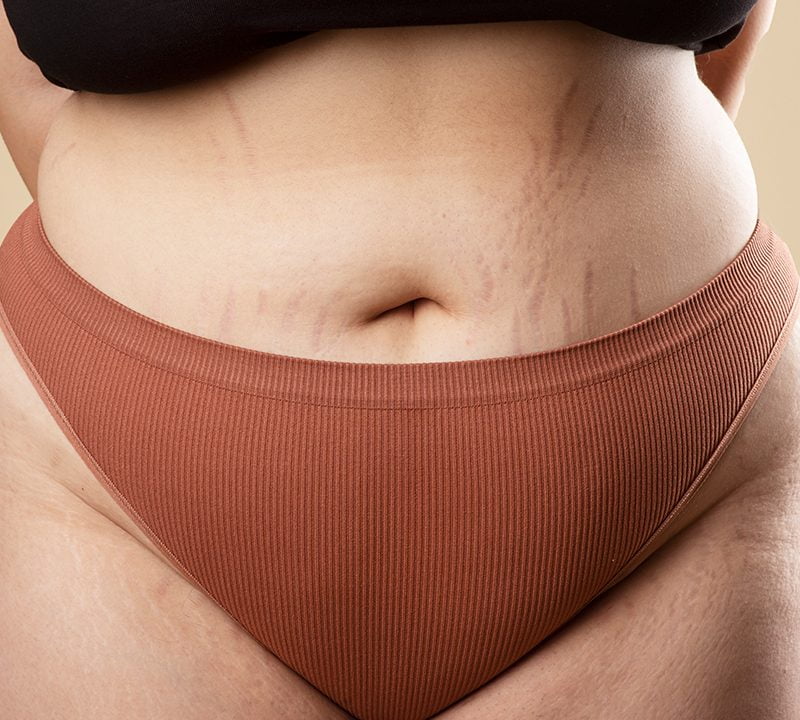
Body contouring, also known as body sculpting, aims to refine and shape specific areas of the body, such as the belly, hips, thighs, arms, and butt. Body sculpting is not a weight loss treatment; rather, it is a cosmetic treatment that helps shape, tighten, and tone your body, especially after weight loss, pregnancy, or aging.

What Does Body Sculpting Help With?

Body sculpting helps with the following:

1) Stubborn fat pockets (like belly fat or love handles)
2) Loose or sagging skin
3) Cellulite
4) Low muscle build and tone

benefits of body sculpting

What Are the Types of Body Contouring Procedures in Delhi?

Body contouring procedures in Delhi can be broadly divided into two categories, surgical and non-surgical.

What Are Non-Surgical Body Contouring Procedures in Delhi? 

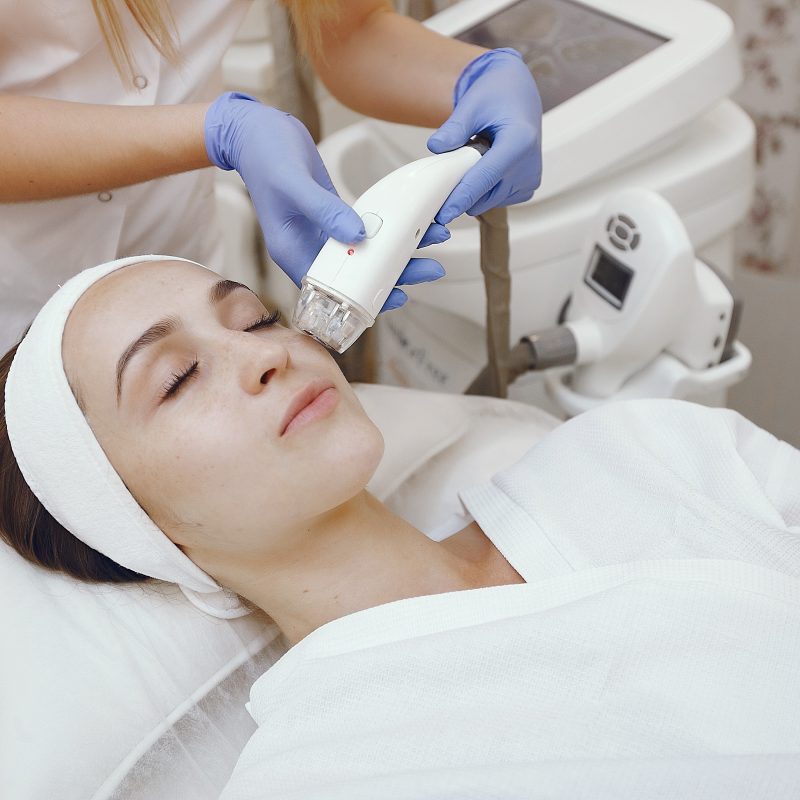
Non-surgical body contouring treatments are best for people who want gradual improvement without surgery or downtime. These treatments target fat, skin, and muscle using advanced technologies. Here are some of the non-invasive body sculpting procedures listed below

Procedure Description
Emsculpt / Emsculpt Neo Builds muscle and helps reduce fat using electromagnetic stimulation
Exilis Elite Uses radiofrequency to reduce fat and tighten skin
Emtone Combines radiofrequency and acoustic waves to reduce cellulite and improve skin texture
CoolSculpting Freezes fat cells, which are then naturally removed by the body
Laser Lipolysis Uses laser energy to break down fat cells and improve body contour

What Are Surgical Body Contouring Procedures?

Surgical body contouring is recommended when there is excess fat or loose skin that cannot be improved with non-surgical treatments. These procedures give faster results as compared to non-invasive body sculpting, but they require recovery time. 

Here are some of the body contouring procedures listed below.

Procedure Description
Liposuction Removes stubborn fat from areas like the abdomen, thighs, arms, or back using suction techniques
Tummy Tuck (Abdominoplasty) Removes excess skin and tightens abdominal muscles for a flatter stomach
Body Lift Removes loose, sagging skin from areas like the abdomen, thighs, or butt after major weight loss
Arm Lift (Brachioplasty) Removes excess skin and fat from the upper arms to improve shape
Thigh Lift Tightens loose skin and reshapes the thighs

Now that you know the types of body contouring procedures, let us understand how these procedures are performed.

Types of Body Contouring Procedures

How Are Body Contouring Treatments Done?

Body contouring treatments work by targeting fat, skin, and muscle in different ways, depending on the technology used.

  • Fat reduction: Breaks down or destroys fat cells, which your body slowly removes over time
  • Skin tightening: Uses heat to boost collagen, making skin look firmer
  • Muscle toning: Stimulates strong muscle contractions to improve muscle build and definition

These treatments are designed to work gradually, so results look natural and improve over a few weeks.

Body sculpting is done in phases to get optimum results. Let’s understand the phases below.

The 4-Step Body Contouring Plan for Better Results

The goal is to target the right concern at the right time and provide the best possible treatment. 

Phase 1: Assessment (Understanding Your Body)

Before starting any treatment, it’s important to understand what your body actually needs.

  • Check if the concern is fat, loose skin, cellulite, or muscle tone
  • Look at body shape and target areas
  • Set realistic goals

This helps create a customized body contouring plan based on your body type, concerns, and desired results for safer and more effective outcomes.

Why Does This Matter?

This matters because having a clear goal helps your doctor to understand the concern and vision better, helping them to plan a treatment that is best for you.

Phase 2: Active Fat Loss (Reducing Stubborn Fat)

This phase is focusing on breaking down stubborn fat and improving skin quality with the surgical or non-surgical treatments. 

  • Treatments like Exilis Elite or CoolSculpting help reduce fat
  • Emtone can help if cellulite is also a concern

How Does Active Fat Loss in Body Contouring Work?

  • The selected treatment targets fat cells in specific areas like the belly, thighs, or arms.
  • Fat cells are broken down or destroyed, and your body removes them naturally over time.
  • Some treatments also help tighten skin while reducing fat.

What you may notice: 

  • Gradual inch loss
  • Skin tightening
  • Visible changes in a few weeks

Phase 3: Contouring & Toning (Shaping the Body)

Once fat is reduced, the next step is to shape and define the area.

  • Treatments like Emsculpt / Emsculpt Neo help build muscle

What you may notice:

  • Better muscle tone
  • More defined shape (especially in abs or butt area)

Phase 4: Maintenance

This phase helps you maintain your results for longer.

  • Occasional maintenance sessions
  • Healthy lifestyle habits (movement, diet)

Why it matters:

  • Without maintenance, results may slowly fade over time.

Body contouring at AAYAN is planned as a step-by-step process, where each phase is tailored to your body type and goals for more balanced, natural-looking results.

4-Step Body Contouring Plan

Emsculpt vs Exilis Elite vs Emtone: What’s the Difference?

Feature Emsculpt Exilis Elite Emtone
Main focus Muscle building + fat reduction Fat reduction + skin tightening Cellulite + skin smoothing
Technology used Electromagnetic energy (HIFEM)(3) Radiofrequency + ultrasound Radiofrequency + acoustic waves
Best for Toning Loose skin + fat Cellulite, uneven skin
Fat reduction Moderate Yes Minimal
Muscle toning Yes (main benefit) No No
Skin tightening Minimal Strong Moderate
Cellulite treatment No Limited Yes (main benefit)
Areas treated Abs, butt, arms, thighs, legs(4) Whole body including  face Thighs, buttocks, abs, flanks, arms
Sessions needed X-X sessions X-X sessions X-X sessions
Sensation Intense muscle contractions Warm heat Warmth + vibration

Note: The right treatment is always chosen after a proper evaluation of your body type and your goals. What works for one person may not work for another. 

What Results Can You Expect from Body Contouring?

You can see the following results after body sculpting:

  • Reduction in stubborn fat pockets
  • Tighter, firmer skin
  • Improved body shape and contour
  • Better muscle tone 
  • Smoother skin in case of cellulite

When Will You Start Seeing Results for Non-Surgical Body Contouring?

The results can vary based on treatment and body type, but generally patients start seeing results at the following timeline: 

  • Early changes: x–x weeks
  • Visible improvement: x–x weeks
  • Best results: x–x weeks

How Many Sessions Are Required for Body Contouring Procedures? 

The timeline depends on the type of treatment you will be undergoing. Most treatments require x–x sessions.

The results improve with consistent sessions and maintenance. 

Before And After Results

Here are some of the before and after results of Emsculpt, Exilis Elite, and Emtone

Em-tone & Exilis treatment in delhi

Who is a Good Candidate for Body Contouring? 

Good candidates for body contouring are individuals who want to refine their body. Being aware of whether you are the right candidate can make you achieve better and realistic results.

You may be a good candidate if you:

  • Are generally healthy with no serious medical conditions 
  • Do not smoke or are willing to stop before treatment
  • Are committed to a healthy lifestyle, including proper diet and regular activity

Good Candidate for Body Contouring

Now that you know if you are an ideal candidate or not, let’s understand what to expect before and after the treatment. 

What to Expect Before Starting a Body Contouring Procedure?

Before the surgery

Your doctor will take a proper medical history and do a thorough examination, like

  • Check for loose skin, fat, and old scars
  • Ask about medications or supplements you take
  • You may be asked to stop smoking, as it slows healing

What to Expect 1 Week Before Body Sculpting Treatment? 

One week before the body sculpting procedures, you may need to:

  • Stop medicines that thin your blood
  • Confirm which medicines you can still take
  • Follow your doctor’s instructions carefully

On The Day of Surgery

  • Follow your doctor’s advice

Many people today prefer non-invasive body contouring treatments to avoid surgery and recovery time.  But with so many options available, it can be confusing to choose the right one. Let’s understand the difference between the most common non-invasive body sculpting treatments at AAYNA Clinic.

What to Do After Body Contouring?

Taking care of your body after treatment helps improve and maintain results.

What Precautions to Take After Non-Invasive Body Contouring Procedures? 

After non-surgical procedures, the following are the precautions you should take for better results.

  • Stay hydrated to help your body remove fat cells
  • Keep light activity (like walking) to support circulation
  • Wear compression garments if recommended
  • Follow any post-care advice given by your clinic

What Precautions to Take After Surgical Body Skin Tightening Procedures? 

After surgical body skin tightening, the following precautions should be taken:

  • Allow proper rest and recovery time
  • Wear compression garments if advised
  • Avoid heavy activity until your doctor allows 

Which Body Contouring Treatment Is Right for You?

The right treatment is not chosen randomly. It depends on your body type, concern, and goals, which your doctor will evaluate before creating a plan.

Here’s a simple way to understand what may suit you:

  • Stubborn fat: Exilis Elite or CoolSculpting
  • Muscle tone and definition: EMSculpt treatment
  • Cellulite or uneven skin: Emtone
  • More than one concern:  a combination approach works best

Which Body Areas Can Be Treated with Body Contouring?

Body contouring treatments can target different areas of the body based on your concern, whether it’s fat, loose skin, or lack of tone. Here’s how treatments are commonly used for different areas:

  • Belly (abdomen): Best for reducing stubborn fat and tightening skin
  • Thighs: Helps improve cellulite and smooth uneven skin
  • Arms: Targets fat and mild skin looseness for a more toned look
  • Buttocks: Improves lift and muscle tone

Conclusion

Body contouring in Delhi has become a popular option for people looking to tighten and tone specific areas of the body.  With advanced treatments like Emsculpt, Exilis Elite, and Emtone, it is now possible to target concerns like loose skin, cellulite, and lack of muscle tone in a more precise way. Remember that there is no such “best” treatment; each works differently. A combination of results often gives better and more natural-looking results.

At AAYNA Clinic, body sculpting treatments are planned based on concerns like body contouring for the belly, fat reduction for thighs in Delhi, arm toning, and butt lifting. 


Frequently Asked Questions

  • Does non-surgical body contouring work?

For patients that do not require major reshaping, non-surgical body contouring procedure treatments can help reduce stubborn fat pockets that do not require diet or exercise without surgery and with little or no recovery time.

  • How long do body contouring results last?

Body contouring results last depending on the treatment you choose and how well you maintain your results. Surgical procedures like liposuction remove fat cells permanently, while non-surgical body sculpting can also give long-lasting results.  Apart from maintenance sessions, maintaining a healthy lifestyle, like a stable weight, healthy diet, and regular activity, plays a key role in how long your results last.

  • What are the side effects for body sculpting?

Side effects for body sculpting range from mild, temporary redness, itching, swelling, and numbness to rare severe complications depending on whether the method is surgical or non-surgical. 

  • Does body contouring tighten loose skin?

Yes, body contouring tightens loose skin and improves body shape by removing excess loose skin, especially after weight loss. Surgical methods like tummy tucks and arm lifts are most effective for severe sagging, while non-surgical methods like Emsculpt, Exilis Elite, and Emtone treat mild to moderate skin sagging. 

  • How to contour your body without surgery?

Non-surgical fat removal from the stomach, thighs, or chin is a great way to contour your body without surgery. Some of the popular non-surgical options include EMSculpt, Exilis Elite, laser sculpting, and Emtone. 

Bacne: Understanding, Causes and Treating Back Acne

Acne is a common skin condition that affects many people, but did you know that it can also occur on your back? This is commonly known as “bacne.” In this blog, we’ll explore what bacne is, what causes it, who’s more likely to get it, and how to effectively treat and prevent it.


What is Bacne?

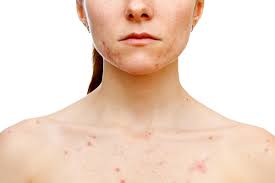
Back Acne

Bacne, or back acne, is a skin condition that occurs when the hair follicles on your back become clogged with oil and dead skin cells. This can lead to the formation of pimples, blackheads, and whiteheads.


Causes of Bacne

Several factors can contribute to the development of bacne, including:

  • Hormonal Changes: Fluctuations in hormone levels, such as during puberty or menstruation, can increase oil production and lead to acne.
  • Sweat and Friction: Engaging in activities that cause excessive sweating, especially when combined with friction from clothing or backpacks, can contribute to bacne.
  • Genetics: If you have a family history of acne, you may be more predisposed to developing bacne.
  • Certain Medications: Some medications, such as steroids or hormonal treatments, can trigger acne as a side effect.
  • Skin Care Products: Using heavy or comedogenic (pore-clogging) skin care products on your back can also contribute to the development of bacne.

Who Can Get Bacne?

Bacne can affect individuals of all ages and skin types. However, it’s most common in adolescents and young adults due to hormonal changes. People who engage in regular physical activity or wear tight-fitting clothing may also be more prone to developing bacne.


Areas Impacted and Diagnosis

Bacne primarily affects the upper back and shoulders, although it can also occur on the lower back. A dermatologist can diagnose bacne through a physical examination and may also ask about your medical history and skincare routine.


Solutions and Best Treatments for Bacne

  • Gentle Cleansing: Use a mild, non-comedogenic cleanser to wash your back daily, especially after sweating.
  • Exfoliation: Incorporate a gentle exfoliator containing ingredients like salicylic acid or glycolic acid to help unclog pores.
  • Topical Treatments: Over-the-counter treatments containing benzoyl peroxide or sulfur can help reduce inflammation and kill acne-causing bacteria.
  • Professional Treatments: For more severe cases, a dermatologist may recommend professional treatments such as chemical peels, laser therapy, or prescription-strength medications.

Things to Avoid to Prevent Worsening Bacne

  • Picking or Squeezing Pimples: This can lead to scarring and further inflammation.
  • Using Heavy Skin Care Products: Opt for oil-free and non-comedogenic products on your back.
  • Wearing Tight-Fitting Clothing: Choose loose, breathable fabrics like cotton to minimize friction and allow your skin to breathe.
  • Excessive Sweating: If you’re physically active, shower and change into clean clothes as soon as possible after sweating.

FAQs about Bacne

Q.  Is bacne contagious?

No, bacne is not contagious. It’s caused by internal factors like hormones and genetics, as well as external factors like sweat and friction.

Q. Can diet impact bacne?

While some studies suggest a link between certain foods and acne, the impact of diet on bacne can vary from person to person. Maintaining a balanced diet and staying hydrated is generally beneficial for skin health.

Q. How long does it take for bacne to clear up?

The time it takes for bacne to clear up can vary depending on the severity of the condition and the effectiveness of the treatment. Consistent skincare and patience are key to seeing results.


Conclusion

Bacne can be a frustrating skin condition, but with the right knowledge and treatment, it can be effectively managed and prevented. By understanding the causes and implementing a tailored skincare routine, you can achieve clearer, healthier-looking skin on your back. If you’re struggling with persistent or severe bacne, consult a dermatologist for personalized advice and treatment options.

Top 7 things to know about Medical Manicure and Pedicure at AAYNA

At AAYNA Clinic, we believe that beautiful hands and feet begin with healthy hands and feet. That’s why our Waterless Medical Manicure and Pedicure goes far beyond regular salon treatments. It’s not about the latest nail art trend — it’s about long-term care, hygiene, comfort, and above all, your nail and skin health.

Whether you’re dealing with cracked heels, ingrown nails, or simply want a more hygienic, long-lasting alternative to a typical mani-pedi, here’s everything you need to know before booking your first appointment.


What Is a Medical Manicure and Pedicure?

Unlike traditional nail spa services that focus purely on cosmetic results, a medical mani-pedi is designed to treat, prevent, and maintain the overall health of your nails, cuticles, and surrounding skin.

At AAYNA, our specialists use sterile, medical-grade tools and follow strict hygiene protocols. The treatment is performed in a clinical environment, yet still feels luxurious and deeply relaxing.


Top 7 Things to Know About Waterless Medical Mani-Pedis

1. It’s Focused on Health, Not Just Beauty

Medical pedicures address underlying concerns such as fungal infections, cracked heels, corns, or ingrown toenails, rather than simply beautifying the feet.

2. You Don’t Need a Problem to Book One

Even if your feet are healthy, a medical pedicure is a proactive step toward prevention — no more calluses, cracks, or hidden infections.

3. Performed by Trained Experts

Our technicians have advanced knowledge in nail and foot anatomy. They’re trained to recognize and treat early signs of potential issues — or refer you for further evaluation if needed.

4. Diabetic-Friendly & Safe for Sensitive Skin

Unlike regular pedicures that may involve aggressive tools or soaking, our waterless technique is gentle and tailored to high-risk clients, including those with diabetes or autoimmune conditions.

5. Cleanliness Is a Priority

We use autoclave-sterilized tools, disposable equipment wherever possible, and hospital-level disinfection practices — making it one of the most hygienic options available.

6. It Can Help With Ingrown Nails — Without Pain

No cutting corners here. Our experts use gentle, non-invasive methods, including corrective braces and pressure relief techniques, to manage ingrown toenails.

7. Long-Lasting Smoothness

Since we address the root cause of skin and nail concerns, results last longer than typical pedicures. Your feet stay soft, smooth, and pain-free for weeks.


Why AAYNA’s Medical Manicure & Pedicure Stands Out

At AAYNA, we understand the science behind nail and skin health. Every treatment begins with a detailed consultation and is tailored to your individual concerns — be it thickened nails, discoloration, or recurring calluses.

Our waterless approach not only improves hygiene but enhances product absorption and reduces risks of fungal spread. The goal? Healthier nails, smoother skin, and a pain-free walk out of our clinic.


Because Healthy Nails Are Always in Style

Before we talk about colour or gloss, let’s focus on cuticle care, nail bed health, and proper shaping. At AAYNA, we ensure:

  • Smooth, trauma-free cuticles
  • Cleaned and conditioned nail beds
  • No redness or irritation
  • Nails that look polished — even without polish
  • This clean, natural and well-groomed look is always on trend — for women and men alike.

Yes, Men Need Medical Pedicures Too

Foot problems don’t discriminate by gender. From cracked heels to ingrown toenails, men are just as likely to face issues — often worsened by tight formal shoes or narrow sneakers.

Our medical pedicure is the perfect solution for men who care about hygiene, comfort, and performance. And let’s be honest — who doesn’t love leaving a treatment room feeling lighter and smoother?


Client Care That Comes from the Heart

We don’t just treat hands and feet. We treat people. The biggest reward for us at AAYNA is watching our clients walk away smiling, pain-free, and feeling cared for.

Whether you’re here for routine maintenance or addressing a specific concern, we’re proud to provide a space where your comfort, health, and hygiene are never compromised.


Frequently Asked Questions (FAQs)

Q. How often should I get a medical pedicure?

A. We recommend a session every 4–6 weeks, especially if you have ongoing foot or nail concerns.

Q. Is it painful?

A. Not at all. The process is gentle, precise, and tailored to your comfort level. In fact, most clients find it relaxing and therapeutic.

Q. What’s the difference between a salon and medical pedicure?

A. A medical pedicure is focused on hygiene, health, and long-term results — not just aesthetics. It’s performed by trained professionals in a sterile clinical setting.

Q. Is this safe if I have diabetes or skin conditions?

A. Absolutely. Our technique is specially adapted for sensitive skin, and we take every precaution to ensure safety for high-risk clients.

Q. Do I need a doctor’s prescription?

A. No, anyone can book a medical mani-pedi at AAYNA. If our specialists notice any underlying issues, we may recommend further evaluation.

Laser Hair Reduction: Your Ultimate Hot Girl Summer Weapon

Listen up, because we’re about to drop the ultimate summer secret that will transform your confidence from zero to hundred real quick: Laser Hair Reduction!

Forget everything you thought you knew about summer prep – this is the game-changer you’ve been waiting for.


Laser Hair Reduction is the MVP

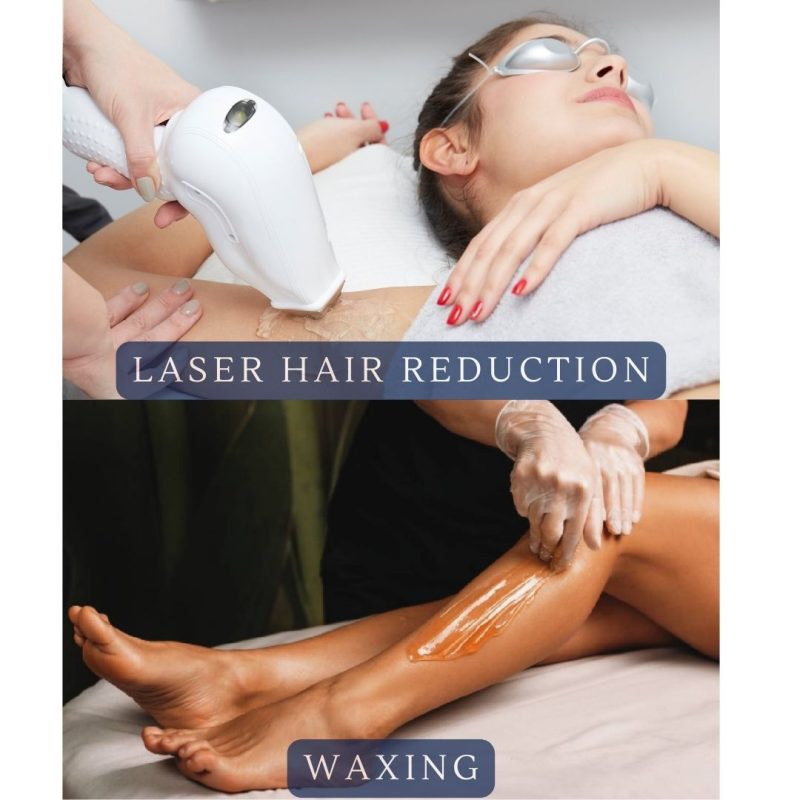
Imagine walking into summer with zero stress about body hair. No more last-minute shaving, no painful waxing, no embarrassing stubble – just smooth, confident skin that’s ready for anything.  A

AYNA’s Laser Hair Reduction Treatment isn’t just a hair reduction method; it’s your ticket to ultimate summer freedom.


Is Laser Hair Reduction Worth The Money?

Here’s why laser hair reduction is about to become your most important summer investment:

  1. Instant Confidence Boost: Those impromptu beach days? Spontaneous pool parties? Unexpected summer adventures? You’ll be ready in seconds. No more hiding, no more worrying about stubble or last-minute hair removal.
  2. Maximum Convenience: Think about all the time you spend shaving, waxing, and dealing with body hair. Laser hair reduction gives you that time back. We’re talking about potentially 90% hair reduction – that’s practically permanent smoothness.
  3. Pain-Free Process: Gone are the days of painful hair removal. The Soprano Titanium is designed to be virtually painless. It’s so advanced, it can treat almost any body part – face, legs, arms, underarms, bikini line – you name it.

The Science Behind Smooth Skin 

Here’s how this magic works: The laser targets hair follicles with concentrated light energy. It’s like a precision missile for unwanted hair.

The Soprano Titanium uses multiple wavelengths to target different tissue depths, making it effective for various hair and skin types.

Here’s what makes Soprano Titanium the Gold Standard: 

  • Uses the globally recognized 810 nm Diode wavelength
  • Large spot size applicator for faster treatments
  • Safe for a wide range of skin and hair types
  • Treatments under professional medical supervision

Read more


Your Hot Girl Summer Prep Plan

Here’s everything you need to know before booking your first session:

Session Breakdown

  • Typical duration: 30 minutes to 2 hours
  • Frequency: Once every month
  • Average results: Up to 90% hair reduction

Pro Tips for Laser Hair Reduction Success:

  • Consultation is key – discuss your specific hair and skin type
  • Avoid treatment during pregnancy
  • Follow all post-treatment care instructions
  • Be consistent with your sessions

The Real Cost of Confidence

Let’s talk investment. In Delhi, laser hair removal can range from a few thousand to several thousand rupees per session.

But can you really put a price on months of smooth, worry-free skin? This isn’t an expense – it’s an investment in your confidence.

Laser hair reduction offers you benefits beyond just smooth skin like:

  • Saving time
  • Boosting confidence
  • Feeling free
  • Embracing your body
  • Simplifying your summer routine

Hot girl summer is a lifestyle. And it starts with AAYNA’s Laser Hair Reduction!

Book an appointment today!


FAQs

Q1: Is Laser Hair Removal really worth the investment?

A: Absolutely! Save time, boost confidence, and enjoy smooth skin for months. The long-term benefits far outweigh the initial cost of treatments.

Q2: How much does Laser Hair Removal cost in Delhi?

A: Prices range from a few thousand to several thousand rupees per session. Costs vary based on treatment area and number of sessions needed.

Q3: How long does a typical Laser Hair Removal session take?

A: Sessions can range from 30 minutes to 2 hours, depending on the body area you’re treating. Smaller areas like underarms are quick; larger areas take longer.

Q4: Is Laser Hair Reduction Treatment painful?

A: The Soprano Titanium is designed to be virtually painless. Most clients describe it as a mild, tolerable sensation – far less painful than waxing.

Q5: How many sessions will I need?

A: Most clients see significant hair reduction after 6-8 sessions. Results vary based on individual hair type, skin tone, and hormonal factors


AAYNA SDA

C3/1, Safdarjung Development Area, New Delhi- 110016
+91 704 229 7304 | +91 987 113 8222

AAYNA Khan Market

47, Middle Lane, Khan Market, Rabindra Nagar, Khan Market, New Delhi – 110003
+91 987 039 6667

AAYNA Gurgaon

Ground Floor, B-89, Sushant Lok Phase I, Sector 43, Gurugram, Haryana – 122002
+91 981 092 7946

AAYNA Ludhiana

7-E, 1st Floor, Sarabha Nagar, Ludhiana – 141001, Punjab
+91 857 500 6060


Winter Foot Care: Your Complete Guide to Soft, Healthy Heels

Winter in India can be harsh on your feet.

The cold, dry air, combined with reduced moisture and constant temperature changes, can lead to painful, cracked heels and dry, rough skin.

For those seeking a professional solution, AAYNA’s innovative Waterless Medical Pedicure offers a cutting-edge approach to foot care that addresses these seasonal challenges.

And for those who want to fix their feet at home, we have something for you as well. Dive into this guide and understand how you can take care of your feet better this winter!


Why Winter Destroys Your Foot Health

During winter, low humidity and cold temperatures strip your skin of natural oils. Your feet, constantly enclosed in socks and shoes, become particularly vulnerable.

The lack of moisture leads to:

  • Rapid skin dehydration
  • Increased dead skin cell buildup
  • Reduced natural skin elasticity
  • Higher risk of painful heel cracks and fissures

Essential Winter Foot Care Routine

Protecting your feet requires a strategic approach:

  • Exfoliate gently 2-3 times a week to remove dead skin
  • Use warm (not hot) water for washing feet
  • Apply thick, oil-based moisturizers immediately after bathing
  • Wear breathable, moisture-wicking socks
  • Use overnight heel repair socks for intensive treatment

Professional Solution: AAYNA’s Waterless Medical Pedicure

For those seeking professional foot care, AAYNA’s Waterless Medical Pedicure offers a revolutionary treatment:

  • Eliminates water-related infection risks
  • Uses medical-grade tools and techniques
  • Addresses specific foot concerns like:
    • Cracked heels Corns and calluses
    • Ingrown toenails
    • Dead skin buildup
  • Utilizes specialized tools like glass nail files
  • Includes Australian Emu oil for deep moisturization

At AAYNA, we tailor our treatments for individual foot health needs. Book an appointment with us now and get personalised recommendations!


Home Remedies for Cracked Heels

Natural ingredients can work wonders for dry, damaged feet:

  • Coconut oil: Deeply moisturizes and has anti-fungal properties
  • Honey: Natural humectant that attracts and retains moisture
  • Aloe vera: Soothes and heals cracked skin
  • Milk cream: Rich in lactic acid, helps soften rough skin
  • Banana: Provides essential vitamins and natural moisturization

FAQs

Q: How often should I moisturize my feet in winter?

A: Apply a thick moisturizer at least twice daily – after bathing and before bed – to lock in maximum hydration and prevent skin damage.

Q: How does AAYNA’s Waterless Pedicure differ from traditional pedicures?

A: It eliminates water-related infection risks, uses medical-grade tools, provides more precise treatment, and offers longer-lasting results with specialized care.

Q: Are closed shoes better or worse for winter foot care?

A: Choose breathable materials like leather or mesh that allow air circulation while protecting feet from cold and preventing excessive moisture buildup.

Q: Is a Waterless Medical Pedicure suitable for sensitive skin?

A: Yes, it’s particularly beneficial for those with sensitive skin, eczema, or autoimmune conditions, offering a gentle yet effective foot care solution.

Q: How long do the results of a Waterless Medical Pedicure last?

A: Typically, results last 3-4 weeks, with recommended follow-up treatments every 3-4 weeks for optimal foot health.


AAYNA SDA

C3/1, Safdarjung Development Area, New Delhi- 110016
+91 704 229 7304 | +91 987 113 8222

AAYNA Khan Market

47, Middle Lane, Khan Market, Rabindra Nagar, Khan Market, New Delhi – 110003
+91 987 039 6667

AAYNA Gurgaon

Ground Floor, B-89, Sushant Lok Phase I, Sector 43, Gurugram, Haryana – 122002
+91 981 092 7946

AAYNA Ludhiana

7-E, 1st Floor, Sarabha Nagar, Ludhiana – 141001, Punjab
+91 857 500 6060


Waterless Medical Pedicure: Does it Live up to the Hype?

Waterless medical pedicures represent a significant advancement in foot care, offering the perfect blend of health and beauty benefits.

By eliminating water from the equation, this treatment provides a safer, more effective, and environmentally conscious alternative to traditional pedicures.

Whether you’re looking to address specific foot concerns or simply want to indulge in a luxurious yet responsible foot care routine, waterless medical pedicures are an excellent choice.

Let’s uncover the what, how, and when of our waterless medical pedicure!


What is a Waterless Medical Pedicure?

A waterless medical pedicure, also known as a dry pedicure, is a specialized foot treatment that eschews traditional water soaking in favor of dry techniques.

This method, developed by podiatrists and beauty experts, uses advanced tools and products to cleanse, exfoliate, and treat the feet without the need for water immersion.

The procedure is performed by trained professionals who combine elements of traditional pedicures with medical-grade care, ensuring both the health and beauty of your feet.


Differences Between Waterless and Traditional Pedicures

The primary distinction lies in the absence of water soaking. This key difference leads to several advantages:

  1. Reduced risk of bacterial and fungal infections
  2. Longer-lasting results, as nails and skin aren’t waterlogged
  3. Reduces the need for monthly or bi-weekly pedicures
  4. More precise treatment of foot concerns
  5. Environmentally friendly due to water conservation
  6. Suitable for individuals with certain medical conditions

At AAYNA, we use glass nail files instead of metal nail files which allow the podiatrist more flexibility. Its abrasive surface makes the edges of your nails super-smooth and minimizes chipping.

Read more AAYNA Waterless Medical Pedicure


Foot Concerns Waterless Pedicure Can Help With 

AAYNA’s Waterless Medical Pedicure does not only address cosmetic concerns but can effectively help you deal with other foot concerns such as:

  • Plantar Fasciitis: It refers to the inflammation of the plantar fascia which causes severe heel pain. Common in athletes and those standing long hours- it can make walking difficult.
  • Corns & Calluses: Areas of skin can get thickened from friction. Usually caused by physical activity or tight shoes, it can lead to pain and infections.
  • Ingrown Toenails: Nail grows into surrounding skin, causing pain, redness, and swelling. It can lead to infection if untreated.
  • Cracked Heels: They result from dry skin and callus formation. It can cause painful fissures and if left untreated, may bleed and hinder walking.
  • Dead Skin Buildup: The outer skin layer can thicken due to keratin overgrowth. It can reduce sensation and cause discomfort.
  • Toenail Fungus: It is a common nail infection that can cause discoloration and brittleness.

How is it Done?

The process of a waterless medical pedicure at AAYNA is meticulous and tailored to each individual’s needs. Here’s a general overview:

  1. Consultation and assessment of foot concerns
  2. Nail care: trimming, shaping, and cuticle management
  3. Cleansing with medical-grade solutions/spirits
  4. Exfoliation and removal of dead skin cells
  5. Treatment of specific concerns (e.g., calluses, corns)
  6. Application of nourishing serums and oils
  7. At AAYNA, we use an Australian Emu oil which has moisturizing and cosmetic properties
  8. Foot massage and reflexology
  9. Final sterilization and hygiene measures

The entire process typically takes 45-60 minutes, depending on the individual’s needs.

Schedule an appointment with us today!


Benefits of Waterless Medical Pedicure 

Waterless medical pedicures offer a wide array of benefits:

  1. Improved foot health and appearance
  2. Reduced risk of infections, especially beneficial for diabetics
  3. Effective treatment of calluses, corns, and cracked heels
  4. Suitable for those with sensitive skin, eczema, or psoriasis
  5. Favourable for people with auto-immune diseases
  6. Enhanced foot sensitivity and circulation
  7. Long-lasting results compared to traditional pedicures
  8. Done by expert podiatrists
  9. Specialized tools and techniques
  10. Personalized treatment and solutions

Post-Pedicure Care

To maintain the results of your waterless medical pedicure:

  1. Avoid going barefoot, especially in public areas
  2. Clean feet thoroughly after walks or exercise
  3. Moisturize daily with recommended products
  4. Use foot hygiene creams as directed
  5. Wear thin, breathable socks
  6. Consider follow-up treatments every 3-4 weeks

FAQs

Q: Is a waterless medical pedicure painful?

A: No, these pedicures are designed to be comfortable and painless. If you experience any discomfort, inform your technician immediately.

Q: How often should I get a waterless medical pedicure?

A: For most people, once a month is sufficient. However, those with specific foot concerns may benefit from more frequent treatments.

Q: Are waterless medical pedicures safe for diabetics?

A: Yes, they are generally considered safer for diabetics due to the reduced risk of infection and improved foot sensitivity.

Q: Can I get nail polish applied after a waterless medical pedicure?

A: Absolutely! The dry nature of the treatment actually allows for better polish adhesion and longevity.

Q: How long do the results of a waterless medical pedicure last?

A: Results typically last 3-4 weeks, but this can vary depending on individual factors and foot care routines.


AAYNA SDA

C3/1, Safdarjung Development Area, New Delhi- 110016
+91 704 229 7304 | +91 987 113 8222

AAYNA Khan Market

47, Middle Lane, Khan Market, Rabindra Nagar, Khan Market, New Delhi – 110003
+91 987 039 6667

AAYNA Gurgaon

Ground Floor, B-89, Sushant Lok Phase I, Sector 43, Gurugram, Haryana – 122002
+91 981 092 7946

AAYNA Ludhiana

7-E, 1st Floor, Sarabha Nagar, Ludhiana – 141001, Punjab
+91 857 500 6060


Essential Bodycare Tips for Pregnant Mothers

Pregnancy is a transformative journey that brings about numerous changes to your body. As you nurture new life, your body requires extra care and attention. From head to toe, every part of you is working overtime to support your growing baby.

This comprehensive guide will help you navigate bodycare during pregnancy, ensuring you feel comfortable, confident, and cared for throughout these precious nine months.


Understanding Your Changing Body

During pregnancy, your body undergoes significant changes to accommodate your growing baby. Some of the top changes your body may experience are:

  • Weight gain
  • Breast enlargement
  • Skin stretching
  • Increased blood volume
  • Swelling in extremities
  • Changes in hair and nail growth
  • Altered body temperature

These changes can affect how you care for your body, making it essential to adapt your routine.


Essential Bodycare Products for Pregnancy

Stock up on these pregnancy-friendly essentials:

  • Gentle, fragrance-free body wash
  • Pregnancy-safe body lotion or oil
  • Unscented deodorant
  • Supportive maternity bra
  • Compression stockings
  • Body pillow
  • Stretch mark prevention cream

Remember: Always check ingredients and consult your dermatologist or doctor before using new products.

Our expert dermatologists and nutritionists at AAYNA will ensure all your worries are taken care of.

Book an appointment with us today to get personalized tips and tricks to keep your body healthy and happy during this critical time!


Areas Requiring Special Attention

Certain parts of your body may need extra care during pregnancy:

  • Breasts: Use a supportive, well-fitting bra and moisturize to prevent itching.
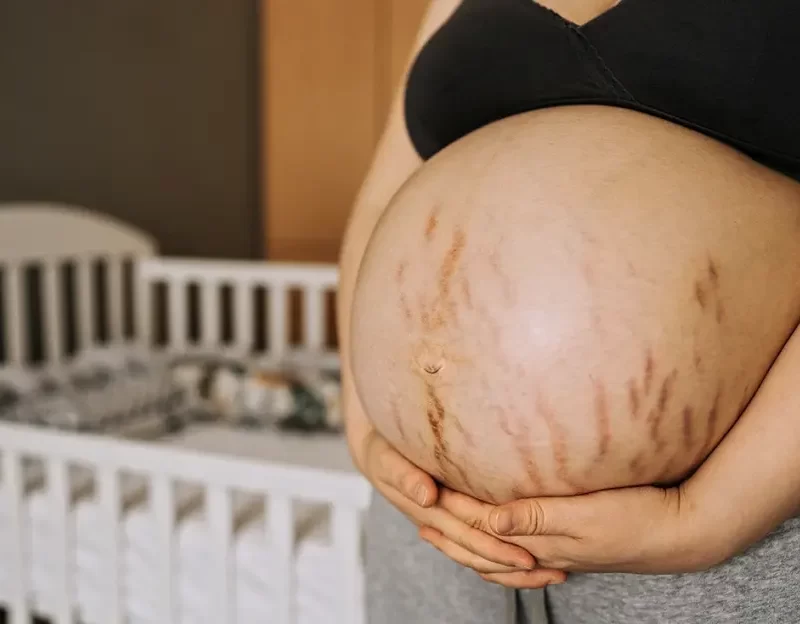
  • Belly: Keep skin hydrated to minimize stretch marks and itching.
  • Feet and ankles: Combat swelling with elevation and comfortable footwear.
  • Back: Support your changing posture with pregnancy pillows and gentle stretches.
  • Pelvic area: Perform Kegel exercises to strengthen pelvic floor muscles.

Diet During Pregnancy 

A planned diet becomes extremely important:

  • Eat plenty of low GI (Glycemic Index) fruit and vegetables for vitamins, minerals, and fiber to prevent constipation.
  • Choose wholegrain or higher-fiber options such as wholewheat pasta, brown rice or simply leaving the skins on potatoes.
  • Eat protein-rich foods every day—for example, beans, pulses, fish, eggs, lean meat, poultry, and nuts.
  • Choose low-fat semi-skimmed milk, yogurt, and cheese.
  • Health snacks-small sandwiches/vegetable and bean soups/porridge, with milk/fresh fruit/baked beans on toast

Book an Appointment with AKARA – AAYNA’s exclusive vertical focused on holistic well being!


Creating a Pregnancy-Friendly Bodycare Routine

Follow these steps for a comprehensive body care routine:

  1. Cleanse: Use lukewarm water and a gentle body wash.
  2. Exfoliate (weekly): Gently remove dead skin cells with a soft loofah or body scrub.
  3. Moisturize: Apply lotion or oil immediately after bathing to lock in hydration.
  4. Sun protection: Use pregnancy-safe sunscreen on exposed areas.
  5. Breast care: Moisturize and massage gently to prepare for breastfeeding.
  6. Foot care: Soak feet in warm water and moisturize to relieve swelling and discomfort.

Healthy Habits for Overall Body Wellness

Bodycare isn’t just about products—it’s also about lifestyle choices:

  • Stay hydrated: Drink plenty of water to support your increased blood volume.
  • Exercise regularly: Engage in pregnancy-safe workouts like swimming or prenatal yoga.
  • Eat a balanced diet: Nourish your body with fruits, vegetables, lean proteins, and whole grains.
  • Get enough rest: Prioritize sleep and take short naps when needed.
  • Practice good posture: Use pregnancy pillows and be mindful of your changing center of gravity.

FAQs 

Q: Is it safe to get a massage during pregnancy?

A: Yes, but choose a therapist trained in prenatal massage and avoid lying flat on your back after the first trimester.

Q: Can I use essential oils for bodycare during pregnancy?

A: Some essential oils are safe in low concentrations, but many should be avoided. Always consult your healthcare provider before use.

Q: How can I prevent varicose veins during pregnancy?

A: Wear compression stockings, elevate your legs when possible, and maintain regular, gentle exercise.

Q: Is it normal for my skin to become more sensitive during pregnancy?

A: Yes, increased sensitivity is common. Stick to gentle, fragrance-free products and perform patch tests before using new items.

Q: Can I dye my hair or get manicures while pregnant?

A: Hair dye is generally considered safe after the first trimester. For manicures, choose well-ventilated salons and avoid gel or acrylic nails.

Photo Aging: Combating the Effects of Time and Sun

Photo aging, the process by which our skin deteriorates due to environmental factors, primarily ultraviolet (UV) radiation, leads to premature aging signs like wrinkles, fine lines, and uneven skin texture.

As we age, these effects become more pronounced, but modern dermatological treatments offer effective ways to combat these signs and restore a youthful appearance.


The Science Behind Photo Aging

Photo aging occurs when UV rays penetrate the skin, causing cumulative damage to our skin cells’ DNA. This results in:

  • Breakdown of collagen and elastin
  • Loss of skin tone
  • Increased wrinkles
  • Appearance of age spots

Unlike intrinsic aging determined by genetics, photo aging can be largely prevented and treated through proper skincare and advanced dermatological procedures.


Prevention

The best approach to combat photo aging is prevention. Key strategies include:

  • Daily use of broad-spectrum sunscreen (SPF 30+)
  • Wearing protective clothing
  • Avoiding prolonged sun exposure during peak hours
  • Incorporating antioxidants like vitamins C and E into skincare routines
  • Regular use of retinoids to stimulate collagen production

By adopting these habits, you can significantly reduce the impact of UV radiation on your skin and slow down the photo aging process.


Advanced Treatments to Combat Photo Aging 

Laser Genesis

Popularly known as the photo facial, Laser Genesis is a non-invasive treatment that addresses various signs of photo aging. It works by:

  • Gently heating the dermis
  • Stimulating collagen production
  • Reducing pore size, fine lines, and wrinkles
  • Improving overall skin texture

Laser Genesis is safe for all skin types and offers subtle, consistent results with minimal downtime. It’s particularly effective for:

  • Facial rejuvenation
  • Treating rosacea
  • Reducing redness
  • Improving skin texture on face, neck, and décolletage

The treatment uses a Nd:YAG laser to selectively target damaged skin, creating microscopic laser columns that penetrate deep into the skin without affecting surrounding healthy tissue. Read more

Fraxel

Considered the gold standard in laser treatments for photo aging, Fraxel works on the principle of fractional photothermolysis.  Its benefits include:

  • Creating microscopic treatment zones in the skin
  • Stimulating the body’s natural healing process
  • Replacing damaged skin cells with fresh, healthy tissue
  • Dramatic improvements in skin texture and tone

While Fraxel is extremely safe, patients may experience 4-5 days of downtime, during which the skin may appear sunburned. The results are progressive, with peak improvements visible 3-6 months post-treatment.

Read more


FAQs 

Q: What’s the difference between intrinsic and extrinsic aging? 

A: Intrinsic aging is genetically determined, while extrinsic aging (photo aging) is caused by external factors, primarily sun exposure.

Q: How long do the effects of Laser Genesis last? 

A: Results can last several months to a year, depending on individual factors and maintenance. Regular treatments can prolong effects.

Q: Is Fraxel suitable for all skin types? 

A: While generally safe for most skin types, consult a qualified dermatologist to determine if it’s appropriate for your specific concerns.

Q: Can photo aging be reversed completely? 

A: Complete reversal isn’t possible, but significant improvement can be achieved through prevention, skincare, and advanced treatments.

Q: How many sessions of Laser Genesis or Fraxel are typically needed? 

A: The number varies depending on individual conditions and goals. Generally, 3-6 treatments are recommended for optimal results.


AAYNA SDA

C3/1, Safdarjung Development Area, New Delhi- 110016
+91 704 229 7304 | +91 987 113 8222

AAYNA Khan Market

47, Middle Lane, Khan Market, Rabindra Nagar, Khan Market, New Delhi – 110003
+91 987 039 6667

AAYNA Gurgaon

Ground Floor, B-89, Sushant Lok Phase I, Sector 43, Gurugram, Haryana – 122002
+91 981 092 7946

AAYNA Ludhiana

7-E, 1st Floor, Sarabha Nagar, Ludhiana – 141001, Punjab
+91 857 500 6060


Laser Tattoo Removal: A Fresh Start for Your Skin

Are you living with a permanent reminder of an impulsive decision or a faded symbol of your regrettable past? Laser tattoo removal offers a solution to those seeking a fresh start!

This revolutionary treatment uses cutting-edge technology to fade or completely remove unwanted tattoos, giving you the freedom to redefine your image.

Let’s understand how this technology works!


The Science Behind Laser Tattoo Removal

Laser tattoo removal is a sophisticated process that harnesses the power of light energy to break down ink particles embedded in your skin. Here’s how it works:

  • The laser emits short pulses of intense light
  • This light is absorbed by the tattoo ink
  • The ink particles shatter into tiny fragments
  • Your body’s immune system naturally removes these fragments over time

Modern laser systems can target a wide range of ink colors, ensuring effective removal for various tattoo types.


Benefits of Choosing Laser Tattoo Removal

At AAYNA, our laser tattoo removal offers numerous benefits:

  • Non-Invasive: No cuts or anesthesia needed
  • Safe Procedure: Minimal side effects and low complication risk
  • Versatile Ink Removal: Effective on all tattoo colors and sizes
  • Personalized Approach: Treatment plans tailored to individual needs
  • Time-Efficient: Brief sessions, often just minutes long
  • No Downtime: No downtime required post-treatment
  • Widely Applicable: Suitable for all skin types and tones

Our state-of-the-art laser technology, combined with our experienced technicians, ensures optimal results for our clients. Read more

Whether you’re seeking to fade an existing tattoo or achieve complete removal, modern laser technology can help you achieve your goals and rediscover clear, beautiful skin.

Schedule an appointment with us today!


Factors Affecting Tattoo Removal Success

Several factors can influence the effectiveness of your laser tattoo removal procedure:

  • Tattoo age
  • Ink colors and quality
  • Skin type and tone
  • Location on the body
  • Overall health and immune system function

Understanding these factors helps set realistic expectations for your tattoo removal process.


Preparing for Your Laser Tattoo Removal Session

To ensure a smooth and effective treatment, follow these pre-session tips:

  1. Avoid sun exposure and tanning
  2. Stay hydrated
  3. Avoid blood-thinning medications (with doctor’s approval)
  4. Inform your practitioner of any skin conditions or allergies
  5. Wear comfortable, loose clothing to your appointment

Complying with these tips will help you get the best results.


5 Things to Consider When Choosing a Tattoo Removal Provider

When choosing a tattoo removal provider, keep the following points in mind to ensure an optimal and safe experience:

  1. Technology: Look for clinics with advanced, FDA-approved laser systems
  2. Experience: Choose providers with a proven track record in tattoo removal
  3. Customization: Ensure they offer personalized treatment plans
  4. Environment: Opt for a clean, professional, and welcoming clinic
  5. Reviews: Research patient testimonials and before-and-after photos

There is no such thing as being too careful!


FAQs

Q: How many sessions are required for complete tattoo removal?

A: The number of sessions varies depending on factors such as tattoo size, ink colors, and skin type. On average, most tattoos require 6-12 sessions for significant fading or complete removal.

Q: Is laser tattoo removal painful?

A: While some discomfort is common, most patients describe the sensation as similar to a rubber band snapping against the skin. Many clinics, including Aayna, use cooling techniques and topical numbing creams to minimize discomfort.

Q: Should I be concerned about any side effects of laser tattoo removal?

A: Temporary side effects may include redness, swelling, and minor blistering. These typically subside within a few days. Following proper aftercare can help reduce potential side effects.

Q: Can all tattoo colors be removed?

A: While advancements in laser technology have made it possible to target a wide range of colors, some pigments (such as yellow and light green) may be more challenging to remove completely. A consultation with a tattoo removal specialist can provide realistic expectations.

Q: How long am I supposed to wait between tattoo removal sessions?

A: Most practitioners recommend waiting 6-8 weeks between sessions to allow your skin to heal and for your body to process the shattered ink particles. Your provider will create a personalized treatment schedule based on your specific needs and healing progress.


AAYNA SDA

C3/1, Safdarjung Development Area, New Delhi- 110016
+91 704 229 7304 | +91 987 113 8222

AAYNA Khan Market

47, Middle Lane, Khan Market, Rabindra Nagar, Khan Market, New Delhi – 110003
+91 987 039 6667

AAYNA Gurgaon

Ground Floor, B-89, Sushant Lok Phase I, Sector 43, Gurugram, Haryana – 122002
+91 981 092 7946

AAYNA Ludhiana

7-E, 1st Floor, Sarabha Nagar, Ludhiana – 141001, Punjab
+91 857 500 6060


Beneath the Surface: Causes, Stages and Treatments of Varicose Veins

Beneath our skin lies an intricate network of blood vessels that carry life’s essence throughout our bodies. Sometimes, however, these pathways falter, resulting in varicose veins. While often perceived as merely a cosmetic issue, it can potentially lead to more serious complications.

By navigating the causes, risk factors, preventive measures, and treatment options available, we offer guidance for maintaining vascular health and finding relief from this common condition.


What are Varicose Veins?

Varicose veins or varicosities are swollen, twisted blood vessels that bulge beneath the skin’s surface. Veins closer to the skin’s surface face the risk. These blue or purple bulging veins usually appear in the legs, feet, and ankles. Every 1 in 3 adults suffers from it. They are more common in individuals doled out female at birth than in individuals doled out male at birth.


Recognizing the Signs: Common Symptoms

Getting treatment early can stop the condition from getting worse and help avoid complications. Symptoms include:

  1. Bulging veins: They are often blue or purple. Spider Veins – tiny red or blue lines, may appear nearby.
  2. Heavy legs: Muscles in your legs may feel heavy, or sluggish, especially after physical activity.
  3. Itching: The zone around varicose veins may itch.
  4. Swelling: Swelling and throbbing can be felt in your legs, ankles, and feet.
  5. Skin colour: Changes in skin color around an inflicted vein may be seen.

Causes of Varicose Veins

Discerning the causes of a condition helps us navigate its treatment better. This health issue occurs due to weak or damaged veins:

  1. Healthy veins contain one-way valves that ensure blood flows consistently toward the heart.
  2. When these valves weaken or become damaged, blood can pool and even flow backward, a condition known as reflux.
  3. This pooling increases pressure within the vein, causing its walls to weaken and expand, leading to varicose veins.
  4. As the vein enlarges, the valves become less effective at directing blood flow, further exacerbating the problem.
  5. The result is a cycle of sluggish blood flow and increased vein size, causing the characteristic swelling, bulging, and twisting.

Varicose Vein Stages

This medical condition progresses through 6 stages of increasing intensity :

  • Stage 1: Subtle red and blue spider veins appear on the skin. It’s primarily a cosmetic concern with no symptoms.
  • Stage 2: The veins become curved and more prominent. Patients may experience heaviness, cramps, and discomfort.
  • Stage 3: Chronic varicose veins cause swelling legs, heaviness, or pain in the calves.
  • Stage 4: Skin changes become apparent, with darkening, dryness, and thinning, especially above the ankle.
  • Stage 5: Scars on the legs, especially around the ankles, caused by recently healed wounds can be seen.
  • Stage 6: Wounds become visible and the surrounding skin may have chronic inflammation.

Difference between Varicose Veins and Spider Veins

Varicose Veins Spider Veins
Location Legs, feet and ankles Could be anywhere, but mostly on the legs and face
Appearance Lumpy or ropey nodules. Can be blue, green, or purple. Small spiderwebs or branch-like clusters of veins. Can be red, blue, green, or purple.
Size >3 millimeters wide. <1 millimeter wide.

Risk Factors

Understanding the risk factors for varicose veins is the first step in prevention and management. Here are some which may increase your likelihood of developing them:

  1. Genetics: A family history of the medical condition significantly increases your chances.
  2. Weight: Excess body weight puts added pressure on your veins.
  3. Age: As you get older, vein valves naturally weaken, allowing blood to pool.
  4. Gender: Women are more susceptible, partly due to hormonal influences that can relax vein walls.
  5. Pregnancy: The increased blood volume necessary to support a growing fetus can enlarge leg veins.
  6. Lifestyle: A sedentary lifestyle, especially prolonged standing or sitting, can impede proper blood flow.
  7. Hormonal treatments: Birth control pills and other hormone therapies may increase the risk.

Prevention Strategies

You can reduce your chances of developing the condition by adopting an active and healthy lifestyle. Try the following:

  1. Stay active: Move frequently and avoid sitting still for prolonged periods to improve blood circulation.
  2. Elevate your legs: Raising your feet above your waist helps blood flow to your heart.
  3. Maintain a healthy weight: Getting rid of excess weight reduces pressure inside your blood vessels.
  4. Quit tobacco use: Smoking damages blood vessels and decreases blood flow.
  5. Choose circulation-friendly clothing: Opt for loose-fitting clothes, especially around the waist. Avoid high heels.

Treatment Options

When it comes to battling varicose veins, laser surgery is something you can go for. However, it comes with a host of issues, making it a risky procedure.

We at AAYNA, offer Laser Genesis for the treatment of spider veins. This treatment causes the blood to coagulate, which in turn destroys the vessels that are then eventually absorbed by the body. It leads to healthier skin with a fresh and youthful appearance.

Moreover, the treatment is non-ablative, which means that it does not wound the skin, but stimulates collagen growth. There is no downtime after the treatment and you can see visible results in 2-6 weeks!

Book an appointment with AAYNA where cutting-edge technology meets expert care, and get a customized treatment plan!


FAQs

Q: What is the outlook for people with varicose veins?

A: Usually, varicose veins aren’t dangerous and don’t cause long-term health problems. Most people with the condition are concerned with the way they look. They may experience discomfort but don’t develop complications.

Q: How long do varicose veins last?

A: Most of the time they happen while you’re pregnant and go away on their own within two or three weeks after you have your baby. For other people, they may keep coming back after treatment.

Q: What are the complications of varicose veins?

A: Listed below are some of the top complications of varicose veins:

  1. Chronic venous insufficiency
  2. Skin ulcers, especially near the ankles
  3. Bleeding from ruptured veins
  4. Superficial thrombophlebitis (vein inflammation with clots)
  5. Deep vein thrombosis (serious blood clots)
  6. Lipodermatosclerosis (hardening of fat under the skin)
  7. Persistent pain and discomfort
  8. Skin discoloration and inflammation

Q: Do varicose veins return after treatment?

A: Although treatments are effective, they can return. They’re more likely to come back in people who become pregnant after treatment. You have a higher chance of them reappearing if you are obese or have a sedentary lifestyle.

Q: When should I talk to my doctor about varicose veins?

A: Although they aren’t usually dangerous, you should visit your healthcare provider for an exam. You should see your provider as soon as possible if the skin or veins are:

  • Bleeding.
  • Discolored.
  • Painful, red, or warm to the touch.
  • Swollen.

AAYNA SDA

C3/1, Safdarjung Development Area, New Delhi- 110016
+91 704 229 7304 | +91 987 113 8222

AAYNA Khan Market

47, Middle Lane, Khan Market, Rabindra Nagar, Khan Market, New Delhi – 110003
+91 987 039 6667

AAYNA Gurgaon

Ground Floor, B-89, Sushant Lok Phase I, Sector 43, Gurugram, Haryana – 122002
+91 981 092 7946

AAYNA Ludhiana

7-E, 1st Floor, Sarabha Nagar, Ludhiana – 141001, Punjab
+91 857 500 6060