
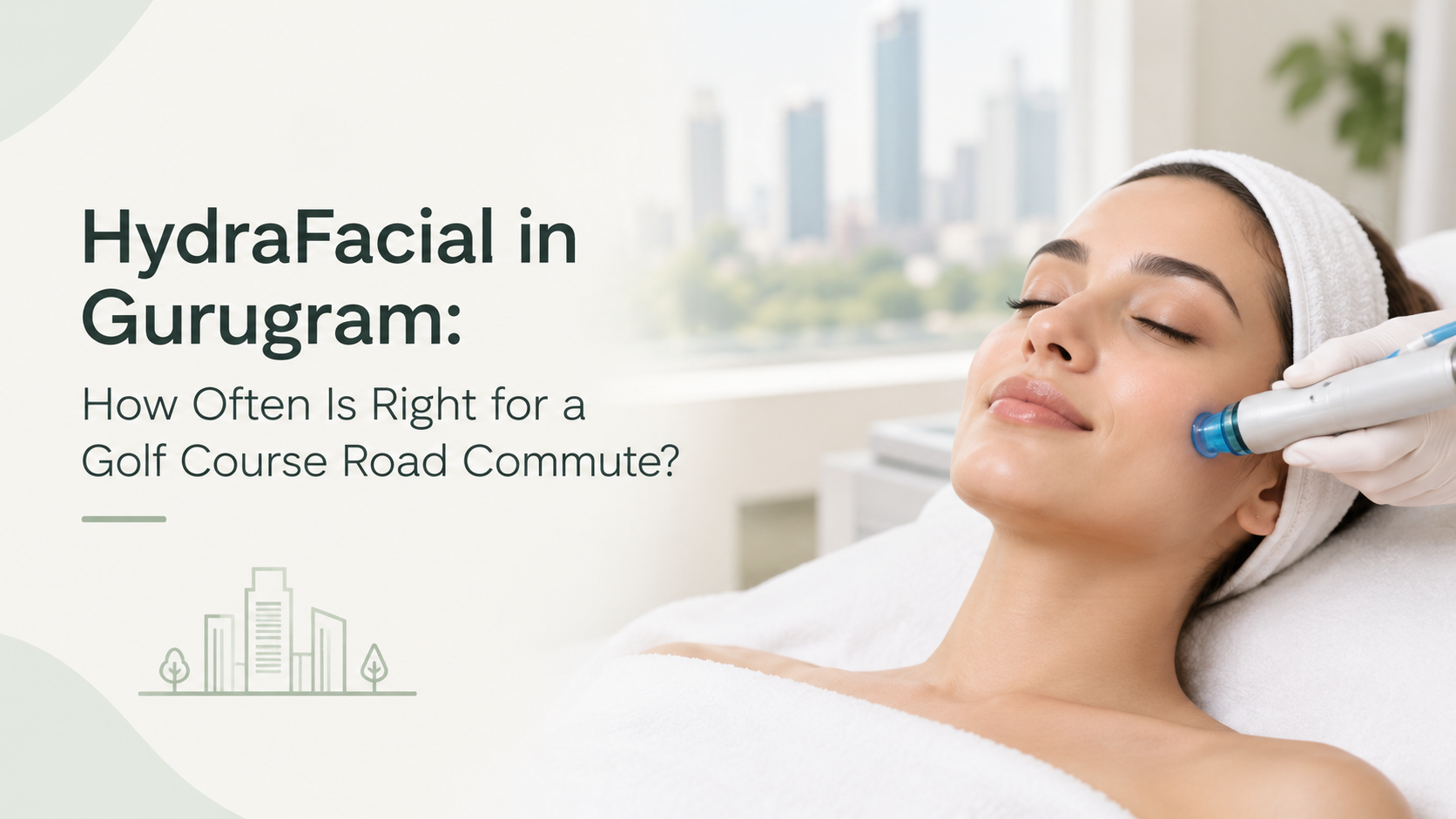
For most people, once a month. That’s AAYNA’s standard maintenance interval, and it matches how long most AAYNA patients find the results last: about four to six weeks. Gurugram life doesn’t make weekly sessions a good idea. A long Golf Course Road commute, a day in an air-conditioned office and the city’s pollution change two things instead: what you do between sessions, and, for oily or congested skin, whether a dermatologist starts you on a short course with sessions closer together.
If you’re looking at a HydraFacial in Gurgaon, the first question after “Is it worth it?” is usually “How often?” The honest answer depends on your skin type and on what your day does to it. This guide explains both, so you can book often enough to see results without overdoing it.
Why monthly is the starting point
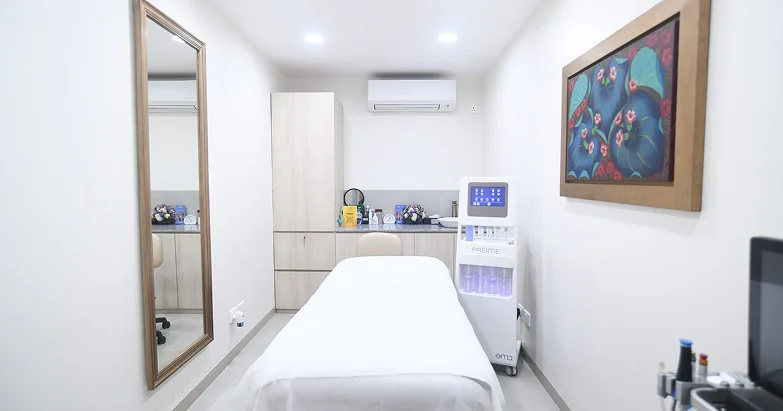
A HydraFacial cleanses, exfoliates, extracts and hydrates the skin in one session, using a device that combines gentle suction with serums. At AAYNA, most people find their HydraFacial results (that glow) last four to six weeks, and skin often looks its best five to seven days after the session.
That timing is why monthly works. Your skin keeps renewing its outer layer, and congestion builds back up in the pores, so by around week four the effect has usually faded. A session every four weeks or so keeps you on the improved side of that curve. Booking much sooner doesn’t stack the results; it mostly adds cost and exfoliation your skin doesn’t need.
What a Golf Course Road commute actually does to your skin
Gurugram’s daily routine is hard on skin in a few specific ways. None of them means you need more HydraFacials. Each one does change what your skin needs between sessions.
1. UV through the car window
Car windscreens block almost all UVA, the type of UV that drives tanning, pigmentation and skin ageing. Side windows block less. In a study of 29 cars, windscreens blocked about 96% of UVA on average, while side windows blocked about 71%. A 2025 study found a smaller gap, with the driver’s window still letting through noticeably more UVA than the windscreen.
In India the driver sits on the right, so if you drive yourself, the right side of your face gets the most window exposure. That exposure can contribute to more tanning on one side. One-sided pigmentation can have other causes too, so have it checked by a dermatologist. A HydraFacial can improve brightness and surface dullness. It won’t replace sunscreen, and it won’t clear established pigmentation on its own (more on that below).
2. Air-conditioned cars and offices
Air conditioning dries indoor air, and low humidity increases the water your skin loses. It’s one reason some Gurugram office-goers notice dehydrated skin: tight and flaky in places, yet still shiny by evening.
Dehydrated skin and dry skin aren’t the same thing:
- Dry skin is a long-term tendency: less oil and weaker barrier lipids.
- “Dehydrated” describes a temporary lack of water in the skin. It can happen to any skin type, including oily skin.
The fix for dehydration is hydration: a moisturiser applied while skin is still slightly damp, and a humidifier where you sleep. Stripping the skin with harsher cleansers makes it worse. There’s more on this in hydrating vs moisturising.
3. Pollution
On high-AQI days, fine particles settle on the skin, mix with oil and sweat, and sit in the pores, especially if you head straight from the commute into a long workday. Studies have linked long-term exposure to traffic-related pollution with more pigment spots and visible skin ageing. The most practical defence is thorough but gentle cleansing at the end of the day. Read more in pollution, AQI and your skin.
This is where a HydraFacial genuinely earns its place. Extraction can help clear blackheads that cleansing alone may not shift, though it doesn’t undo the other effects of pollution on skin. It’s also why HydraFacial for oily skin tends to work best on a steady rhythm rather than as an occasional treat.
How often to book, by skin type and exposure
These are typical starting points. Your dermatologist will set your own interval after looking at your skin. [VERIFY: AAYNA Gurugram dermatologist sign-off on these intervals.]
| Your skin and day | Typical HydraFacial rhythm | What matters more between sessions |
|---|---|---|
| Oily or congested (blackheads, enlarged pores, shine by noon) | Every 3–4 weeks. For heavy congestion, a dermatologist may start a short course at closer intervals, then move to monthly | A gentle cleanse when you get home, an oil-free moisturiser and non-greasy sunscreen |
| Combination or dehydrated (tight after AC days, shiny on the T-zone) | Every 4 weeks | Hydrating products, moisturiser on damp skin, a humidifier where you sleep |
| Dry | Every 4–6 weeks | A richer moisturiser, short warm (not hot) showers, sunscreen |
| Sensitive or rosacea-prone | Only if a dermatologist confirms it suits you, and never during a flare. If it does, usually every 4–6 weeks with gentler settings | Avoid starting new strong actives in the week before a session |
| Tan or pigmentation on the window side | Monthly helps brightness, but pigmentation needs its own treatment plan | Daily SPF 30+ with PA+++ or higher, reapplied before the drive home. A tinted sunscreen also helps against visible light, which can darken pigmentation in Indian skin |
| Active acne | As part of a dermatologist’s acne plan, not on its own | See how many HydraFacial sessions you need for acne |
| Before an event | Ideally five to seven days before, when skin often looks its best; no later than two to three days before | Don’t try new products or treatments in the last few days |
Signs it’s time for your next session
You don’t need to count weeks exactly. Most people can tell when the effect has worn off. Signs include:
- makeup starting to sit on texture again, especially around the nose and chin
- blackheads returning on the nose
- skin looking dull by mid-afternoon, even after a good night’s sleep
- tightness after AC-heavy days that moisturiser doesn’t fully settle
If you’re seeing these at around week three, a three-week rhythm may suit you. If your skin still looks good at week six, stretch the gap.
Can you get a HydraFacial every week?
Not as routine maintenance. A dermatologist may space a short starter course more closely for heavy congestion. A HydraFacial is gentle, but it still exfoliates, and weekly sessions kept up over time can leave the skin barrier irritated and more reactive. That shows up as redness and sensitivity, the opposite of what you’re paying for. If weekly feels necessary, the cause usually lies in your daily routine or in an untreated skin condition, and a dermatologist should look at it.
Clinic HydraFacial vs salon “hydra facials” and at-home kits
Search “HydraFacial Gurgaon” and you’ll find everything from clinic treatments to salon packages and at-home services at very different prices. They aren’t all the same treatment.
HydraFacial is a specific branded system that uses the brand’s own vortex-style tips and serums. Some providers use other hydradermabrasion devices, which can make a pleasant facial but aren’t the same device or protocol. Home kits can exfoliate and apply serum, but they aren’t designed to reproduce clinic-grade suction and extraction, and nobody adjusts the settings for your skin.
Before you book anywhere, ask three questions:
- Which device is used?
- Is your skin assessed before treatment, and by whom?
- Who performs the treatment?
At AAYNA, every HydraFacial follows a skin assessment. [VERIFY: confirm who carries out the assessment at Gurugram (dermatologist or aesthetic physician), that the clinic uses the genuine HydraFacial system, and which tiers are offered there.]
Signature or Platinum?
AAYNA offers two HydraFacial protocols:
- Signature covers the core steps: cleansing, exfoliation, extraction and hydration. It takes about 30 to 45 minutes.
- Platinum adds lymphatic drainage and growth-factor booster serums. It takes about 45 to 60 minutes.
Signature is the usual monthly maintenance choice. Platinum is often chosen before an event or when skin needs more. Your clinician will suggest which suits you. Both usually involve little or no downtime. At AAYNA, any mild redness typically settles within an hour, so most people go straight back to work.
What a HydraFacial won’t do
Being clear about the limits is what makes it worth the money:
- It won’t clear melasma or deep pigmentation on its own. It improves surface brightness, but pigmentation needs a targeted plan. See pigmentation and tone correction.
- It won’t treat active acne by itself. It can support an acne plan.
- It isn’t permanent. At AAYNA, most patients find the glow lasts four to six weeks, which is why maintenance matters.
- It doesn’t replace sunscreen or a sensible home routine. Those do most of the work between sessions.
Some people should wait or skip it altogether, for example:
- people with an active skin infection or sunburn
- anyone recently treated with stronger procedures
- people taking isotretinoin, or who stopped recently
- anyone allergic to salicylates (including aspirin)
Your clinician will check. Read when to avoid a HydraFacial, and if your skin looks a little worse for a day or two afterwards, here’s why.
A five-minute routine for commute days
- Morning: gentle cleanse, a moisturiser for your skin type, then sunscreen (SPF 30+, PA+++ or higher; tinted if you’re prone to pigmentation) on your face, neck and the backs of your hands.
- Before the drive home: reapply sunscreen, especially on the side of your face nearest the window.
- At the office: keep a moisturiser at your desk for AC-dry afternoons.
- Evening: cleanse thoroughly to lift off sunscreen, oil and particles from the day, then moisturise.
- After a HydraFacial: follow the HydraFacial aftercare steps for the first 24–48 hours.
HydraFacial at AAYNA Gurugram
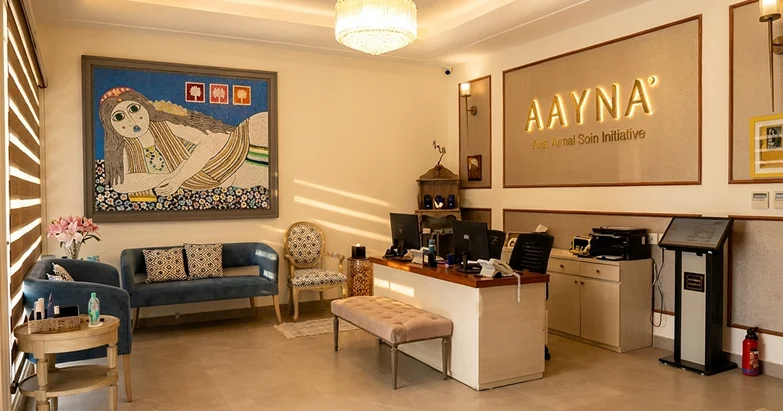
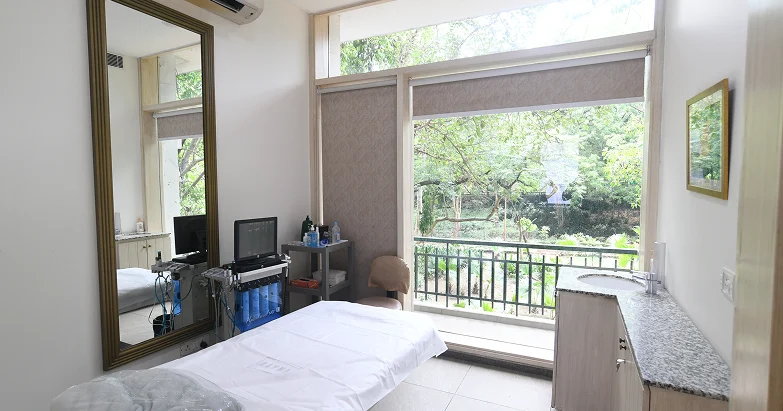
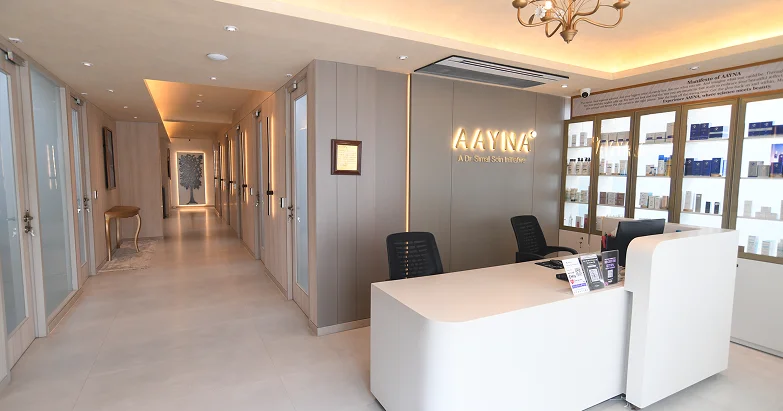
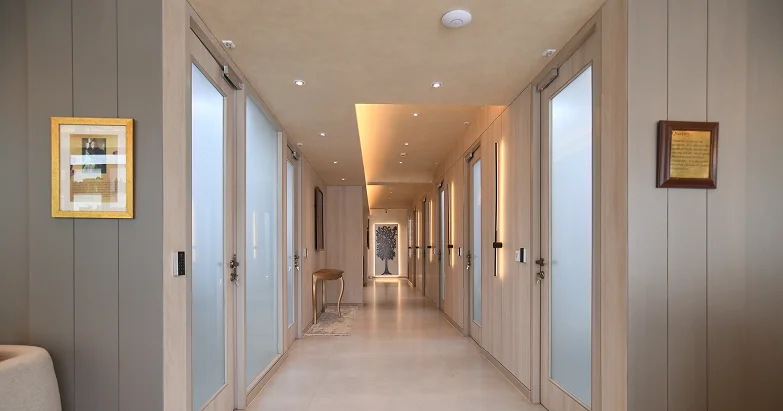
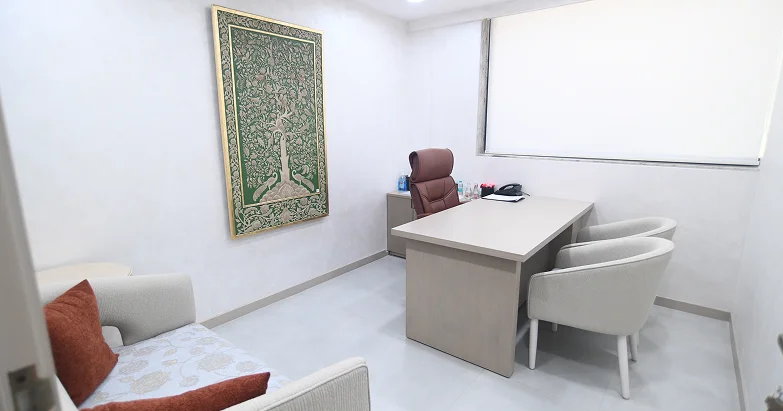
Our Gurugram clinic is on the ground floor on Golf Course Road, with parking. It’s convenient for patients from DLF Phases 1 to 5, Sushant Lok, Sector 27, Golf Course Extension Road, Sectors 54 and 56, MG Road and South City.
Whether you’re booking your first HydraFacial or comparing skin treatment in Gurgaon more broadly, every HydraFacial here starts with a look at your skin. That way the protocol, serums and interval suit you rather than a fixed package. AAYNA has performed more than 30,000 HydraFacials across its clinics. [VERIFY: current figure.]
AAYNA, Gurugram Ground Floor, 16 & 17, Golf Course Road, DLF Phase 1, Sector 27, Gurugram 122002 Phone: +91 98109 27946 Hours: [VERIFY: day-by-day, including Sunday and the latest appointment slot]
See HydraFacial at AAYNA: protocols, benefits and booking → Book at our Golf Course Road clinic →
[Embed: Google Map generated from the AAYNA Gurugram Google Business Profile, with a "Get directions" button]
Frequently asked questions
How often should I get a HydraFacial in Gurgaon? For most skin, once a month. Oily or congested skin may suit every three to four weeks, and dry skin often does better at four to six weeks. Sensitive or rosacea-prone skin needs a dermatologist’s go-ahead first. Your dermatologist will set the interval after looking at your skin.
How long does a HydraFacial last? At AAYNA, most patients notice the glow for about four to six weeks. Skin often looks its best five to seven days after the session.
How much does a HydraFacial cost in Gurgaon? It depends on the protocol: Signature or Platinum, plus any add-on serums. AAYNA confirms the price at your consultation. [VERIFY: add an indicative range for Signature and Platinum at Gurugram. Cost is a People Also Ask question for this search.]
Is a HydraFacial good for oily skin? It can help oily, congested skin, because the extraction step helps clear oil and debris from the pores. A rhythm of every three to four weeks often suits oily skin, alongside an oil-free moisturiser and daily sunscreen.
Is a HydraFacial worth the money? It may suit you if you want a temporary boost in clarity, brightness and hydration with little or no downtime, and you’re happy to maintain it monthly. It isn’t worth it if you expect it to fix pigmentation, active acne or ageing on its own. Those need targeted treatment.
Can I get a HydraFacial every week? Not as routine maintenance. A dermatologist may space a short starter course more closely, but ongoing weekly exfoliation can irritate the skin barrier. If you feel you need one weekly, have your routine or skin condition reviewed.
Can a HydraFacial remove pigmentation? It can improve dullness and uneven surface tone, and many people look brighter afterwards. Deeper pigmentation and melasma need a dedicated treatment plan, along with daily sun protection.
How many HydraFacial sessions do I need? For a single event, one session about five to seven days before, and no later than two to three days before. For a lasting improvement in congestion and texture, regular sessions, usually monthly, with the interval adjusted to your skin.
Can I fit a HydraFacial into a workday? Usually, yes. A Signature HydraFacial takes about 30 to 45 minutes, with little or no downtime. At AAYNA, any mild redness typically settles within an hour.