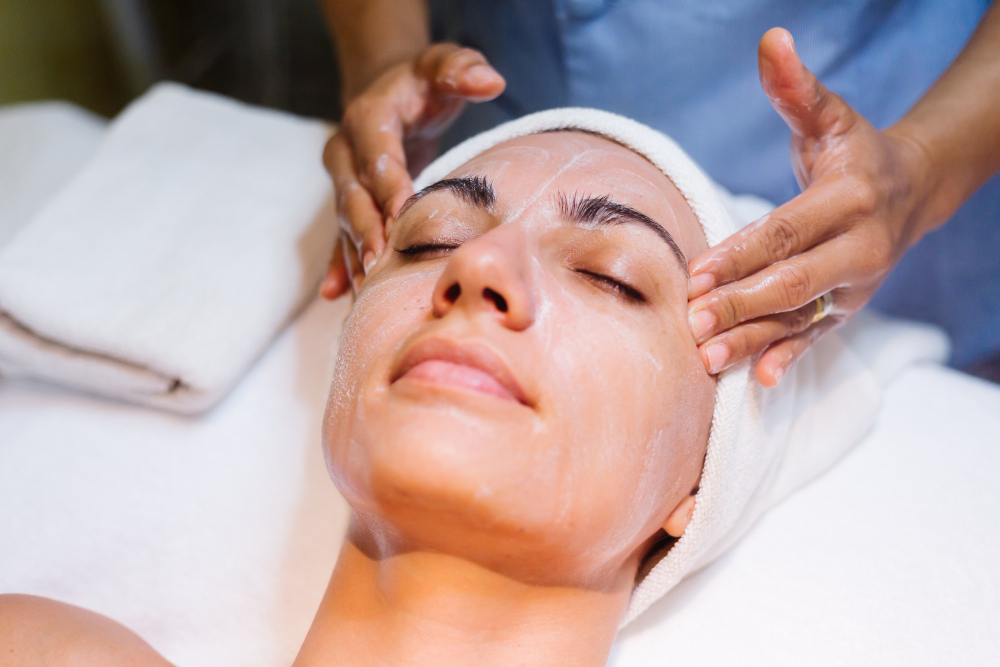
In life, not everything is fair. Some of us are born with acne scars. While the former heals on its own, having the latter does require a little bit of help from science and chemical peel for acne scars. The skin has two primary layers: the epidermis and the dermis. The epidermis is the outermost layer of skin that consists of dead cells filled with melanin, called lamellar granules. These cells are continuously shed by the stratum corneum (the final layer of the epidermis) to reveal fresh new ones beneath it. When things go wrong, as they often do with people who have oily skin prone to acne breakouts, those old dead cells remain stuck in place instead of shedding. This is what leads to clogged pores and pimples – visible as blackheads and whiteheads on the surface of your skin. Once inflamed pimples heal, they leave behind red marks that are commonly known as acne scars – overactive acne can wreak havoc on your skin even after you get rid of all pimples. Here comes Chemical peel for acne scars for the rescue!
Chemical peels for acne scars are a non-surgical procedure that can help fade acne scars effectively. By using an acidic solution, chemical peels work to remove the top layers of the skin, revealing new, healthy skin underneath. In this article, you will learn about different types of chemical peels for acne scars and find out which peel is best for your skin type and conditions. Keep reading to know more!
What is a Chemical Peel for Acne Scars?
Acne scars are a common side effect of pimples. While pimples and their resulting acne scars usually go away after some time, the damage they leave behind can be quite unpleasant to look at for those with sensitive skin. They are permanent marks that appear as uneven patches of skin, with a different texture and tone than the rest of the face. If you are someone who has experienced the agony of having to deal with acne on a regular basis, you might have tried countless home remedies to get rid of your acne scars once and for all. In case you have noticed so far, it is probably because none of them works very well. Perhaps the most effective way to prevent future breakouts and reduce the appearance of existing acne scars is through chemical peels.
A chemical peel is a procedure that gently exfoliates the skin by applying a chemical solution to the skin. The acid in the solution penetrates the top layers of the skin, promoting new skin growth and revealing healthier skin. The most common acids used in chemical peels are Salicylic, Lactic, TCA, and Glycolic. While chemical peels have been used for years in the medical field, they are now more popular than ever as a cosmetic treatment. In addition to acne scars, chemical peels can be helpful in treating wrinkles, sun damage, and uneven pigmentation.
How Does a Chemical Peel for Acne Scars Work?
A chemical peel works to exfoliate the top layers of the skin by breaking down the bonds between the cells. The chemical-containing solution is applied to the skin and left there for a certain amount of time before being washed off. The acid in the peel penetrates the top layers of the skin, “peeling” the dead skin off, revealing new, healthy skin underneath. The amount of time the chemical peel is left on the skin, as well as the type of acid used in the peel, determines how deep the peel goes, as well as the intensity of the peel. Depending on the type of peel performed, the procedure can last anywhere between 20 to 60 minutes.
Choosing the Right Chemical Peel for Acne Scars
Each type of chemical peel has different strengths and therefore is best suited to treat certain skin types, conditions, and acne scar types. The best way to determine which type of chemical peel is best for your specific skin and acne scars is to get a detailed consultation from the dermatologist’s office. At AAYNA, you can pay a visit and get all your skin concerns addressed. Chemical peels are typically used to treat fine lines and wrinkles, pigmentation, sun damage, acne scars, and large pores. The most common acids used in chemical peels are Salicylic, Lactic, TCA, and Glycolic. Let’s have a look at some of the commonly used chemical peels for acne scars.
Glycolic Acid Chemical Peel for Acne Scars
Glycolic acid peels are best used for those with dry or combination skin. A small amount of glycolic acid is applied to the skin, where it is left for a set amount of time before being washed off. This peel is best for people who want to improve the appearance of acne scars, fine lines, and wrinkles, as well as those who want to smoothen their skin. To minimize the risk of temporary redness, it is recommended that you avoid touching your skin, wear sunscreen daily, and wear protective clothing.
Mandelic Acid Chemical Peel for Acne Scars
Mandelic acid peels are a great choice for those with acne-prone and oily skin. This peel is recommended for people who want to improve the texture of their skin and reduce the appearance of acne scars. It is best to do pre- and post-care for maximum benefit. Sunscreen is recommended as well as anything else that the AAYNA doctor would recommend.
Lactic Acid Chemical Peel for Acne Scars
This is an alpha hydroxy acid that is known for its ability to promote collagen production and improve skin texture. It is also known to reduce the appearance of wrinkles and is often used in professional chemical peels. With the boost in collagen production, the healing process of acne fastens, and the scars start to heal as the new, fresh skin cells replace the old ones. Talk to a skin expert at AAYNA if you are considering adding lactic acid to your skincare peels.
Salicylic Acid Chemical Peel for Acne Scars
This is a beta hydroxy acid that is commonly found in over-the-counter acne treatments. It is known for its oil-reducing properties, making it an ideal choice for those with oily skin. It also helps to prevent blackheads and whiteheads, as well as fights against breakouts caused by bacteria. You may find this acid in many OTC products but if you wish to use it as a chemical peel for acne scars, consult a dermatologist for the best line of treatment.
Chemical Peel for Acne Scars at AAYNA
Chemical peels are an effective and easy way to improve the texture and appearance of the skin. Whether you’re looking to get rid of acne scars or improve the texture of your skin, chemical peels may be the right option for you. Choosing the right acid for your skin type is important to get the best results and avoid any side effects. Keep in mind that chemical peels are not a cure-all; they work best when used as part of an acne scar treatment plan which can be decided by the doctor. You can visit the AAYNA clinic in Delhi (Safdarjung Development Area & Khan Market) or in Ludhiana. We at AAYNA, not only take care of your skin and hair but also your body care needs and weight reduction at AKARA by AAYNA where we have FDA-approved, non-invasive treatments like Emsculpt, Emtone, Ballancer, and more.